
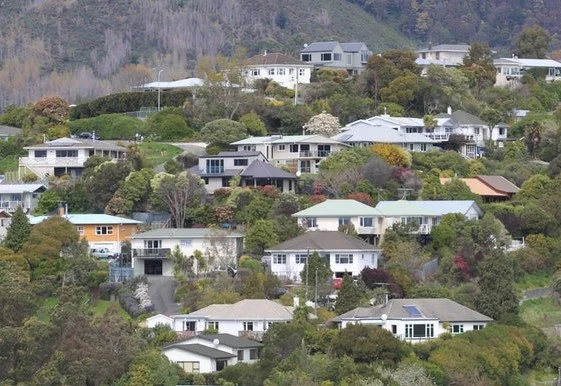
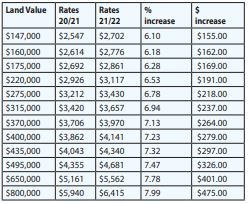
Nelson residents will see rates rises of between 6.1 and 7.99 per cent come July despite the average rates increase being 5.7 per cent.
For those with a land value of $175,000 the increase will be $169 a year, a land value of $370,000 will see an increase of $264, and those with land value that sits at $800,000 will pay $475 more than they did this year.
Nelson’s homeowners will be paying more to help rebalance the portion of rates that commercial properties pay compared to residential properties which is “out of kilter”.
Nelson Mayor Rachel Reese says council has always taken into account all ratepayers - commercial, industrial, residential and rural in the total rates package when working out the “average”.
Rachel says commercial properties have paid half a per cent less in rates each year over the last three years and that will continue for the next three years, being reviewed annually.
“It had got out of kilter; commercial ratepayers were paying proportionately more than residential for the value of their properties.”
An average rate rise of between 5 and 5.7 per cent is expected over the next 10 years according to the draft Long-Term Plan 2021- 31 which is currently out for consultation.
But, in reality, the rises will be more for residential property owners over the next three years, until commercial and residential balance out.
This rise includes a proposal to reduce the Uniform Annual General Charge - a fixed charge for services that every property receives, irrespective of its land value.
Without this, the lowest property rates would increase by 6.7 per cent.
Rachel says it’s been the toughest Long Term Plan process yet, with three major factors influencing rates rises; Covid-19, government legislation and a re-valuation of council assets.
“It has been a hard slog; I’ve been talking with mayors all around the country and everyone’s found this really tough. Some of them are looking at much higher rates rise.”
Council debt will rise by $176 million over the 10-year period to a total of $291 million and the debt/revenue ratio will sit at 143 per cent.
Rachel says that ratio is “very low” when you put it into a country-wide context and that they could drive rates down by borrowing more, but she doesn’t feel that’s the right thing to do.
“I don’t want to be, in 10 years, leaving a future council with a problem they can’t fix. It’s about our generation paying our fair share, but there’s no doubt about it it’s getting harder to get those books to balance, thinking about climate change.”
She says council is proposing a strong capital expenditure which will leave future Nelson with important assets.
“They’re the hidden assets that support good environmental outcomes, support development and things like safe drinking water coming out of your tap, being able to flush your toilet and knowing that the water will be dealt with in a safe way are still the fundamentals, but they are not the only things.
“We’ve invested well and are in a good position but when we look at what’s in front of us there’s hundreds of millions of dollars to keep up with expectations of the community and to address climate change.”
She says as we look out beyond the next 10 years, it’s going to be unaffordable for local government to fund and the model from government may need to change.
“These are big dollars, and we are going to have to have other funding.”
To submit on the LTP email submissions@ncc.govt.nz or go to shape.nelson.govt.nz
