
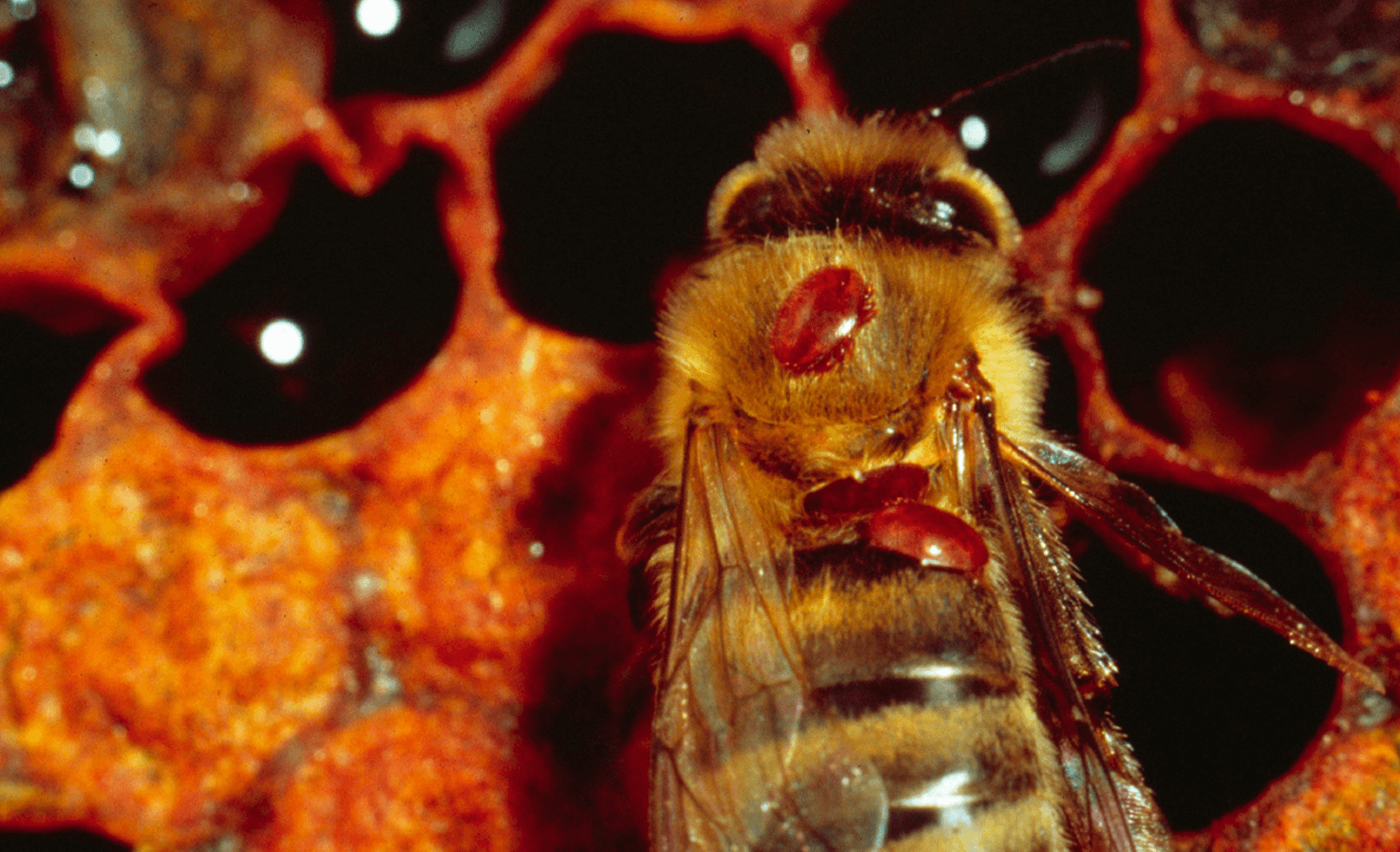
Beekeepers in Nelson-Tasman are being warned to be vigilant this winter and spring, with the ever-present threat of varroa mite already having led to significant colony losses for some.
In much of New Zealand largely increased levels of hive mortality were reported going into winter, with the highly populated bee-keeping regions of the Bay of Plenty, Waikato and Hawke’s Bay particularly hard hit.
The parasitic varroa mite and the viruses it vectors are thought to be to blame.
Some North Island operators reported deaths to 30 to 50 percentage of their colonies, and beekeepers in the top of the south say they too are fighting an increasingly difficult battle against varroa, which first arrived in New Zealand in 2000.
Twenty-one years on, a combination of factors is making control of varroa difficult, with suspected resistance to traditional in-hive miticide treatments, over population of hives and the economics of the industry all said to be working against beekeepers.
At Tua Marina Apiaries beekeeper Will Trollope was particularly hard hit by varroa in autumn and suffered significant hive loss. He is now attempting to nurse weakened surviving colonies through until spring nectar and pollen flows begin.
While he has suffered a “massive spike” in losses this year, Trollope says he, and other local beekeepers he has spoken too, have seen the challenge of varroa worsening over the past several seasons.
“The struggle to maintain hive numbers is the big issue,” Trollope says.
“We have got used to losing a few hives to varroa each year, but for losses to spike like it has in the last few years, this year in particular for me, it is a big issue.”
Many North Island beekeepers who suffered at the hands of varroa this year pointed towards growing resistance to flumethrin, the active ingredient in commonly used miticide Bayvarol, as a potential problem.
North America and Europe, who have had varroa mite much longer than New Zealand, have seen resistance to flumethrin develop.
“I don’t believe our regular autumn treatment is working as well as it should do and that in turn is exacerbating any reinvasion problems,” Trollope says.
Reinvasion is caused by bees carrying mites on their back either “drifting” off course and into neighbouring hives or when they intentionally “rob” weaker hives of their honey.
Blenheim beekeeper Philip Vercoe is taking extra measures this season to stay on top of mite populations in his hives, but says he is seeing and hearing reports of high mite counts from students in the apiculture course he tutors at NMIT through Otago Polytechnic.
“The differing treatment schedules of beekeepers and a lot of hives in the same area is also a big part of the problem,” Vercoe says.
“That leads to reinvasion, especially autumn reinvasion. With so many hives in some areas, mites and disease are spread more easily.”
The struggles of the honey industry are also playing their part. Non-manuka honey prices have fallen from as high as $14/ kg five years ago, to as low as $3/ kg to the producer, or unsaleable, now.
That makes the economics of maintaining an effective pest management plan difficult. Those who aren’t managing mite loadings closely might be in for a shock, Vercoe believes.
Nelson beekeeper Nick Milne says having an intensive treatment regime is key to ensuring the mite doesn’t have too much of an impact on hives.
“Keeping varroa under control is always a challenge, especially when there is a lot of financial pressure in the industry. I know some beekeepers who haven’t sold honey for two years and a number who are adjusting their practices to work within their cashflows. Thankfully hive health in Nelson Tasman sounds pretty good and losses as expected from the conversations I have had with local beekeepers."
