
By Darren Crawford, Fire and Emergency NZ
The Nelson-Marlborough summer season brings an increased risk of unwanted wildfires.
All it takes is one spark and in the right conditions fire will be off like a skinny Hogget.
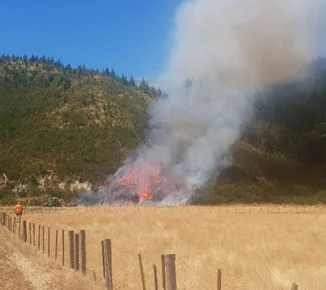
Spark generation and the potentially disastrous outcomes of accidental ignition is of special concern to rural and farming communities, some of whom may have experienced first-hand the devastation caused by the month-long Pigeon Valley wildfire four years ago.
The Pigeon Valley fire destroyed 2,400 hectares of land and forest after farming equipment generated a spark. Events such as this are devastating to the communities that experience them, which is why a community effort to reduce the risk of fires occurring is so important.
As the temperatures across the region are ramping up, BUIs (Build-Up Index) are increasing - providing a timely reminder of the potential spark hazards that hot works and high fire risk activities pose during the dry season.
BUIs are the availability of dry vegetation and light fuels (such as grass, pine needles) which could supply a fire.
Activities like welding, mowing, chain sawing, ploughing, or driving in dry, grassy or vegetated areas have the potential to generate sparks which could start a devastating wildfire.
Farmers and rural community members wanting to undertake heat or spark generating activities are encouraged to first check NIWA’s fire weather information site at www.fireweather.niwa.co.nz and www.checkitsalright.nz before beginning, to help you make an informed decision about the suitability of the fire weather for their operation.
Farmers and rural contractors can also sign up to a mailing list by emailing our wild fire specialist jeff.white2@fireandemergency.nz to receive daily up-to-date information about the fire indexes in their region.
Doing your research and determining the suitability of current fire conditions could be the difference between avoiding an incident or accidentally starting a wildfire.
It is important to consider potential outcomes of undertaking an activity, and the dangers that consequences may entail for you and your community.
Wildfires are unpredictable, so preparing your property for the potential is an important step. A great way to do this is managing the volatility of vegetation planted around your property by creating a ‘defensible space’. This increases the probability of your house surviving a wildfire. Removing highly flammable natives such as Kanuka and Manuka, in favour of low flammability species such as Papauma/Broadleaf or Karaka reduces the volatility of surrounding vegetation, providing little fuel for a wildfire.
Planting low flammability plants away from the house can also create a “green break” to reduce fire hazard to the property.
The first 10 metres around a house should be free from debris and potential fuels that could ignite. The following 10-30 metres should contain well-maintained with grass kept short and plants pruned above the ground and with gaps between other vegetation.
www.ruralfireresearch.co.nz is a highly informative tool with current information for creating effective defensive spaces and other fire weather and hazard information.
Remember to mow grass or use high-risk tools earlier in the morning or later in the evening outside of peak dry times to reduce the opportunity for accidental ignition from spark generation.
