
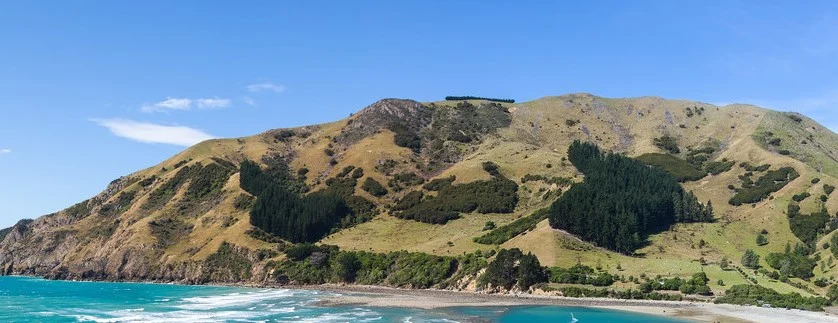
A rāhui placed along the entire northern coastline of the Top of the South last month following significant weather events is to be lifted next week.
The rāhui will lift on Tuesday 13 September in Nelson Tasman and Sunday 11 September in Marlborough
The rāhui was implemented on 20 August by the Iwi Emergency Management Rōpū, which works as part of the Emergency Operations Centre (EOC) in both Nelson/Tasman and Marlborough, with the support of the eight iwi of Te Tauihu.
It prevents the gathering of seafood and kai as well as swimming and entering the water and covers all coastlines, river mouths, and floodwaters from Te Parinui o Whiti (the White Bluffs) in the east, west to Kahurangi Point, including Aorere and Tai Tapu.
Iwi Emergency Management Rōpū Tikanga Pou lead Barney Thomas said the main purpose of a rāhui was protection.
“It’s about protecting the environment and protecting people,” Barney says.
“The heavy rain we received late last month resulted in numerous sewage overflows and sustained runoff into the ocean and rivers, so this is about saying, let’s take the time for things to be safe, let’s respect what has happened and do what we can to keep people healthy and well.”
Thomas said the decision to lift the rāhui was based on a combination of scientific evidence and mātauranga Māori.
“We believe that given a few more days, the risk of becoming sick will lessen significantly. We want to thank our communities for their support in respecting this rāhui but also remind people that public health advice that remains in place.”
Te Whatu Ora - Nelson Marlborough advises that recreational wild shellfish should not be collected until 28 days after the last significant rainfall. In Marlborough and Tasman, that advice expires on September 16 and in the Nelson area on September 25.
This includes mussels, oysters, tuatua, pipi, toheroa, cockles, scallops, catseyes and all other bi-valve shellfish. Other marine species including fish, crayfish, crab, kina and paua are considered unaffected because they are not filter feeders.
Thomas also encouraged whitebaiters to take note of public health advice and wash both their catch and their hands in fresh water or under the tap at home to avoid the risk of cross-contamination in the kitchen.
Anyone experiencing illness after contact with water or eating food should consult their GP or Healthline on 0800 611 116.
