
The multi-million dollar aquaculture industry has received funding for a strategy to boost its workforce, as it is revealed there are hundreds of staff vacancies across the sector.
Aquaculture New Zealand’s action plan to build a national workforce has received $210,000 from the Ministry of Business, Innovation and Employment’s sector workforce engagement programme.
The Government’s Aquaculture Strategy set a goal of growing the industry’s annual sales from more than $600 million to $3 billion by 2035.
Aquaculture New Zealand chief executive Gary Hooper said the funding boost would accelerate the sector’s strategic workforce plan in a bid to reach that goal.
“Aquaculture employs over 3000 Kiwis in regional communities around New Zealand, we predict we will need double that number of workers by 2035.
“Right now, we have a significant shortfall of at least 500 vacancies across the industry.”
The funding was announced at the industry’s annual conference in Nelson on Wednesday, and Hooper said it would help to implement priority actions quickly.
A sold-out crowd at the Rutherford Hotel also heard about the role data will increasingly play in aquaculture.
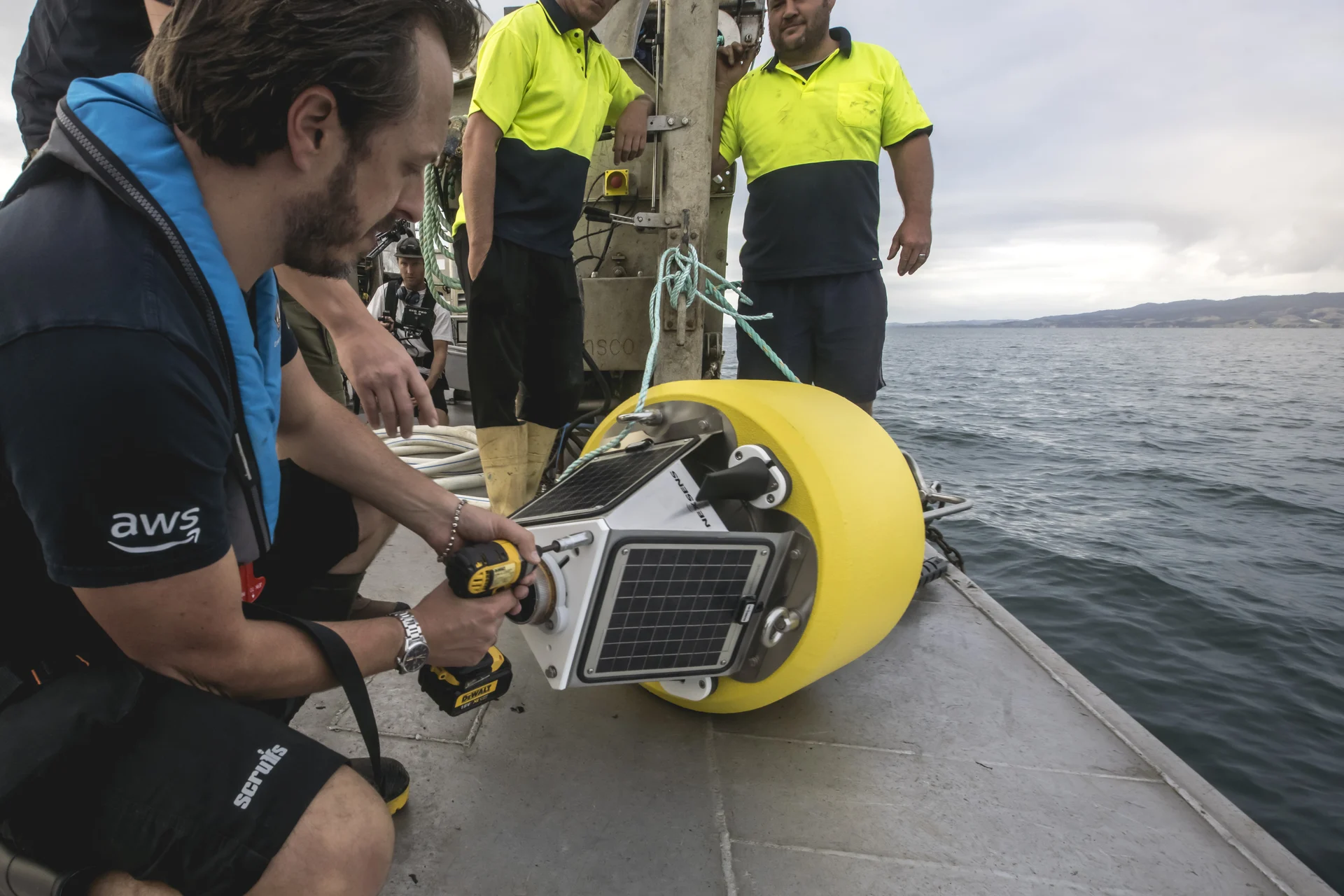
Guy MacPherson of Adroit highlighted the work his company is doing in the with the use of sensor-enabled buoys providing constant feedback to mussel farmers.
Real-time wireless monitoring of water parameters such as temperature and salinity provide insights to provide immediate efficiency improvements and assist in long term planning.
Spark business development manager Matt McLay spoke of broadly of the innovation that this sort of data insights can provide.
“The aquaculture industry is looking to how they can be more sustainable in the future. This technology can help with adhering to Ministry of Primary Industry guidelines and regulations. Businesses want to know variations in temperature and salinity and having this data can help to avoid shutdowns."
Doug Saunders-Loder of Talley’s also spoke about First Mate, a government-supported initiative to support the health and well-being of the hardworking people in the commercial seafood sector.
Since its inception 18 months ago, the charity has enrolled paid navigators to support their colleagues with challenges around mental health, finances, and connecting the community.
With RNZ
