
Only the sign and some buildings remain as a reminder of the export orchard set up on Main Road Stoke in 1910 by Thomas Robinson.
At 70-years-old many are looking forward to their relaxing days of retirement, but there was no slowing down for Thomas, who set about building his growing empire.
Thomas was born in Clough, Northern Ireland, in 1845 and sailed to New Zealand in 1873, landing in Port Chalmers.
He had his eye on Eliza Stephenson, but it was Eliza’s daughter that he would go on to marry and finally start a family with at age 71.
When he was 26, Thomas found employment harvesting grains in Otago, building roads in Southland, railway in Waimate, and then had an unsuccessful stint during the goldrush with 6000 others at the Kumara diggings.
He spent 30 years developing land in the North Island and even lived through a couple of bushfires, one by sticking his head up a chimney to where there was airflow, which saved his life. Thomas sailed to Ireland on four separate occasions, each trip an arduous journey of months at sea.
Thomas returned to New Zealand and settled into retirement in Napier.
Here he saw an advert for some land for sale ‘near the sea’ which tempted him to move to Nelson in 1910.
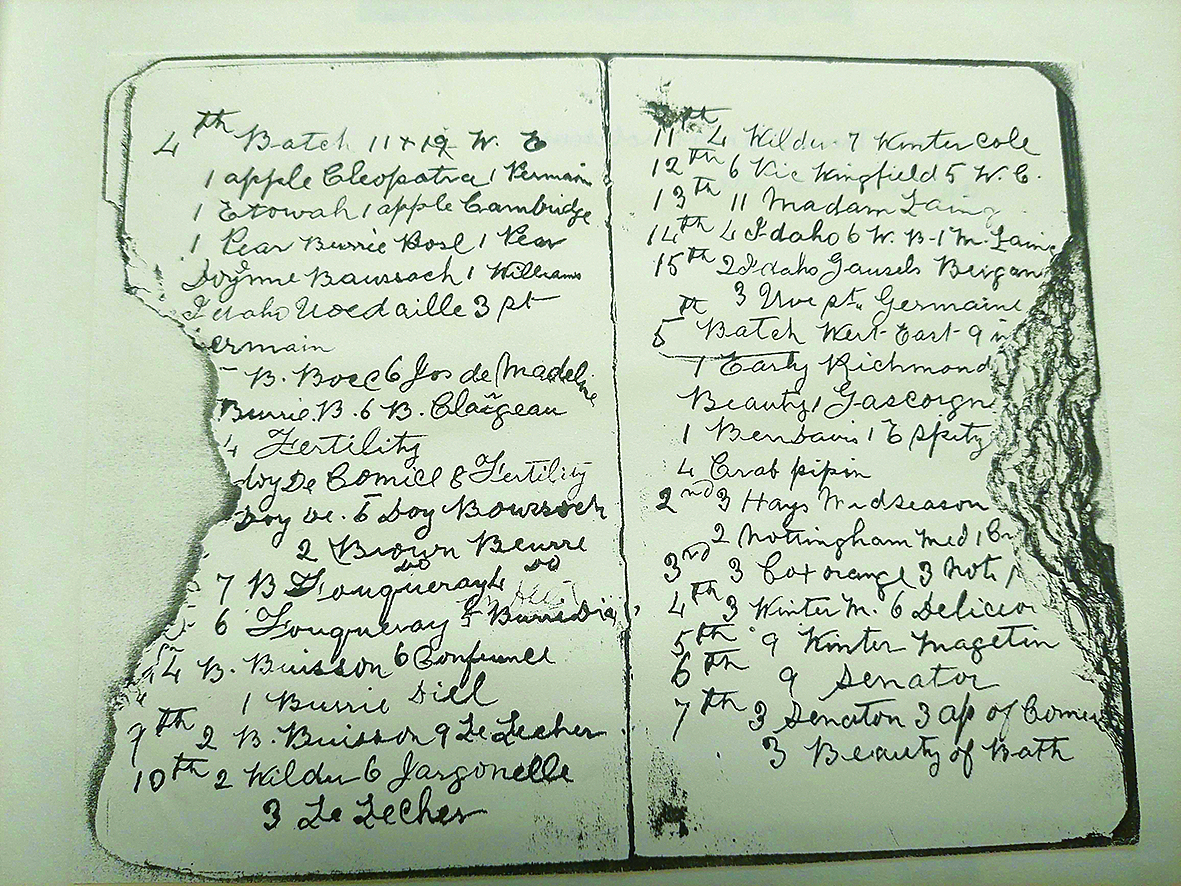
Thomas then planted apple and pear trees in the orchard he purchased on Main Road, Stoke. It was named Ardilea after family land in Northern Ireland.
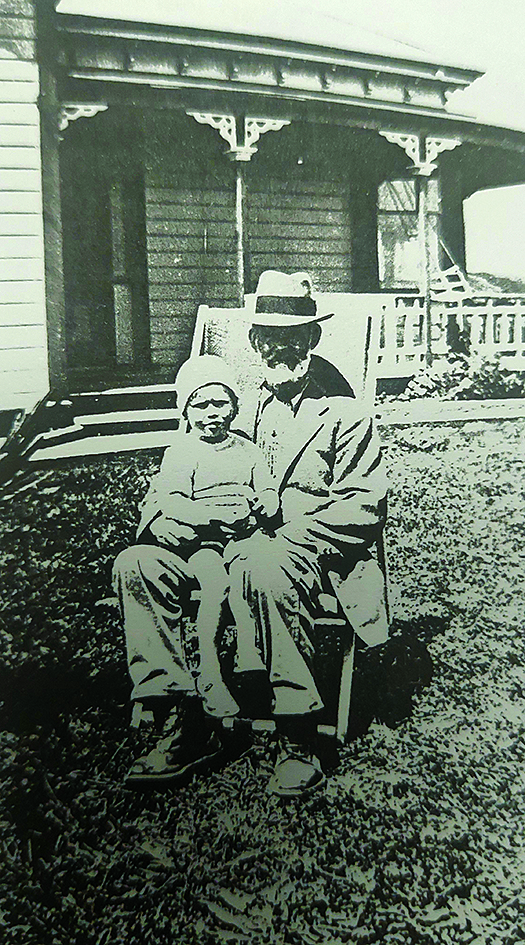
In 1916 he married Susan Stephenson and had four children. The youngest child (Thomas junior) was born when his father was nearly 80.
For years Thomas senior made a barrel of cider for his friends. According to Shelley Robinson’s grandfather Tom (jr), about this time the local policeman came to see them and tried the cider with “lots of approval”.
However, they were warned they needed to obtain a license, or they would be put in the “pokey” for sly grogging.
Thomas died on 19 September 1936 at the age of 91 and is buried in Seaview Cemetery, Stoke.
Susan Robinson carried on the management of the orchard, and when her two sons, Robert and Thomas, were old enough, they then took over.
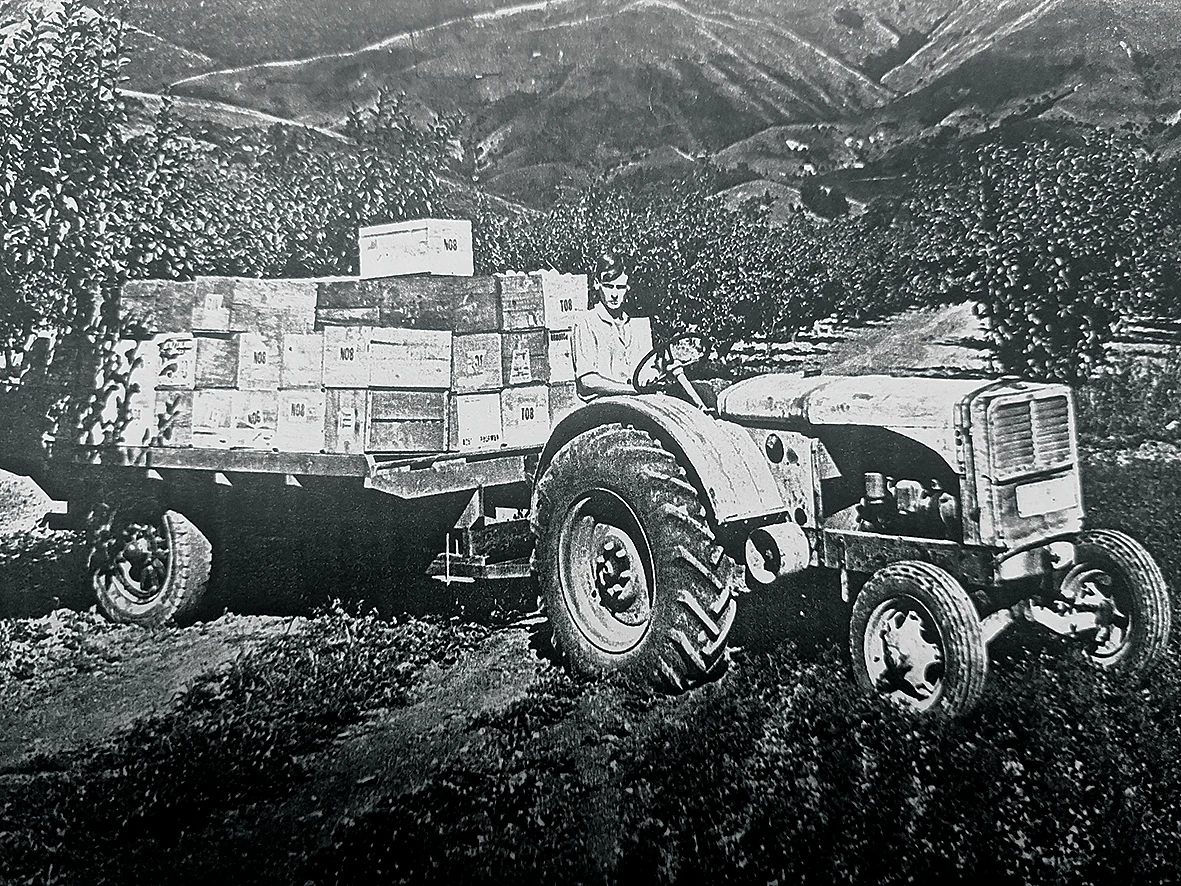
They formed the company Robinson Bros. and continued to grow apples and pears for the local, and then later, export market.
Up to now, horses had been used to tend the orchards, but this method was replaced by the first ‘Caterpillar’ tractor to be sold in Nelson.
Apple wine was introduced in 1947 and apple juice in 1954. Fruit liqueur and cider were added to the production lines after a wine seller’s licence was added to the property in 1958, allowing them to sell New Zealand-made grape wines, sherries, and ports.
By 1978 Thomas Robinson and his son Colin were well-known for their preservative-free fruit juices, table wines, and ciders.
In 1984 Thomas Junior retired, and Colin went into a three-way partnership with Brian Hirst and Tony Smith, which involved Robinson Bros merging with Tasman Bay Fruit Juices and Kiwi Juice NZ.
By this time the company had been producing apples for 70 years and wines and juices for 40 years.
Business partners Hirst and Robinson strived to use GE-free ingredients.
They both drove vehicles with personalised number plates, GEFREE and GMFREE.
Colin’s son Jarrod now drives the GMFREE plate around town.
Inspired by growing up on the orchard, Jarrod studied food science and technology at Otago University and now has over two decades of international food commercialisation experience with a 10-year association with Wakatu.
Shelley recalls fondly spending time with her grandfather at the printers’ press checking labels, which she believes led to her interest in design and many years working within the printing industry.
After 100 years the trees had finally done their dash and the orchard land was sold to make way for residential properties and the Rymans Retirement village.
The Robinsons sign and a couple of buildings are the only remaining visuals of an epic story of crossing the ocean from the green pastures of Ireland to the orchards of Stoke.
