
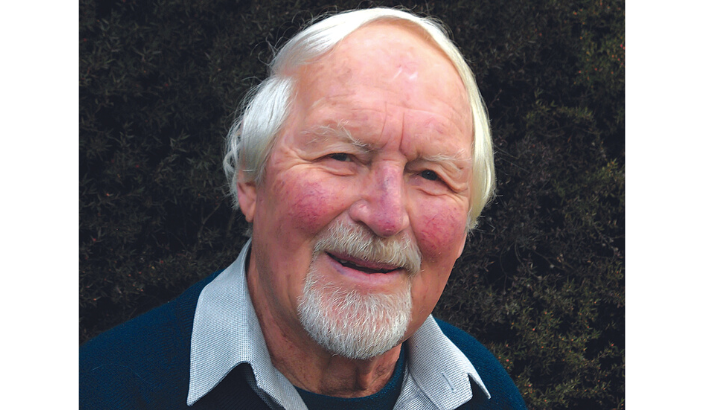
GARRICK BATTEN
Can you make sense of the varied climate change messages, information, opinions and agendas of people and organisations ?
First is that a changing climate with high and low temperatures and floods and droughts produces consequent events like wildfires, loss of animal and human life, and economic, environmental and social damage. These have happened before, will happen again, but that doesn't really matter whether you believe that or not as there is no doubt that these physical effects are happening now.
Second is the belief that NZers can reduce these effects by reducing our GHG emissions. One reason is dictated by our very high per head emissions in world terms, ignoring that much of that is from producing food for others outside NZ. But we contribute only 0.17% of global emissions so any influence up or down is negligible, and can be compared with other influences like volcanic eruptions, wildfires, melting tundra or Chinese coal burning.
Third are the personal and political agendas leading our governments to commit to lead the world in reducing emissions to save it. So we have legislated targets for key dates, and the farming industry has accepted that principle, if not recognising the methods for achieving them. The governments also signed up to the Paris Agreement not to take actions to reduce food production. So farmers are now hoisted onto the government petard to become the victim of this commitment to lead the world. Logic is that legislated requirements will now contradict that commitment.
Farmers argue that reduced NZ food production will be replaced by other food produced with higher emissions from less efficient producers. This is dismissed as not being significant in world terms that leads to another point. How can this be dismissed as not being important but our insignificant emissions are concurrently promoted as being critical? And that we have to penalise and tax ourselves to reduce them?
Emissions policy spin is the claim that farmers will be unable to sell all their food products at premium prices unless from more sustainable, lower emissions farming systems. Yet already we are very highly efficient in terms of sustainability and emissions by world measures, and furthermore unsubsidised to do that compared with others producing food in our markets. Accordingly, we should be earning premiums now, so how will they increase? This platform also needs to be considered in the context of being able to sell our share of global food production. For example, we produce only 1.3m tonnes of beef in a world supply of 340m tonnes. We can feed only 40m out of 8b people.
All these points can be considered in a context of government promoting policies that are supposed to be kind, fair and equitable to look after each other, with a farmer fix that is bigger than the problem. And does not yet recognise that a national reputation for low-emissions food production reflects more than just farmers’ responsibility.
