
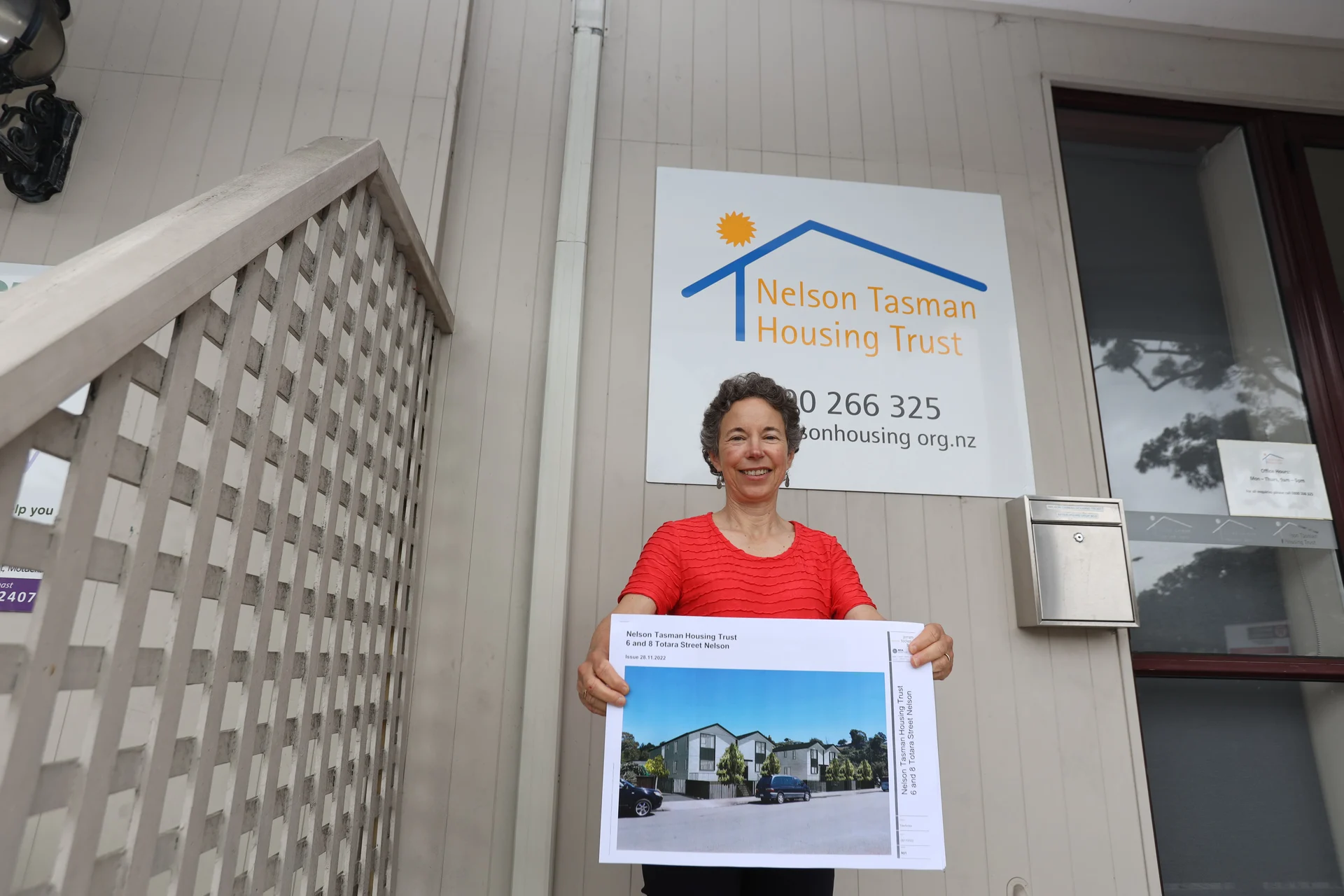
The region’s housing crisis is unlikely to abate any time soon, according to new research from Nelson Tasman Housing Trust (NTHT).
Exacerbated by the storm event in August, rising interest rates and soaring rents, hundreds of households are living in vehicles or in overcrowded conditions, pensioners are in expensive rentals they can ill-afford, and people with impaired mobility need accessible housing, according to NTHT director Carrie Mozena.
The Ministry of Social Development public housing register in Nelson Tasman had almost doubled in the past three years to 435 households, she says. NTHT research indicated an additional 528 households who were not on the register but were in dire need of affordable housing.
“Rising costs, household crises and declining health push people into housing need,” says Carrie. “Many of the ‘working poor’ are not eligible or able to get into public housing.” For the period 1 January to 30 June 2022, most community groups they surveyed reported an increase in requests for help with housing, most often from older single adults (over age 55) and larger families (parents with 4 or more children).
“There is a growing number of older single adults who need modest, affordable homes to rent, but private developers are primarily building either large family homes or expensive two-bedroom homes. We know the housing need is there, but it’s the affordability part that we need to address.”
Despite plans by NTHT, Kāinga Ora and Habitat for Humanity, Carrie says that building new housing takes time, so substantial new supply won’t start coming on-stream until 2023-24. And even then, she says, demand is continuing to outstrip supply.
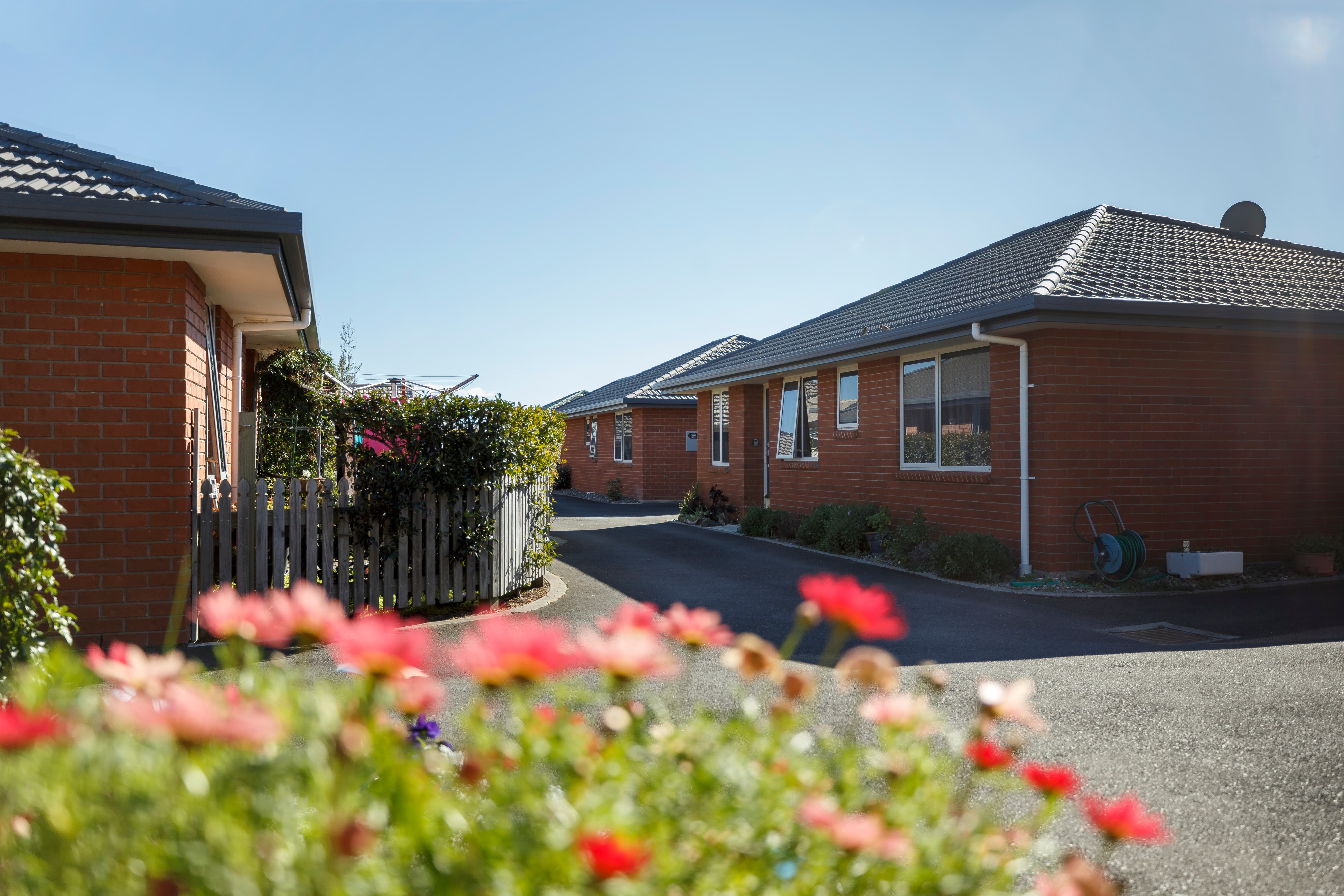
In Richmond, for example, there has been a boom of new housing, particularly in the Richmond West area, but this has done little to support the supply of social or affordable housing.
She notes that one holiday park in Richmond has increased its number of permanent residents, while others allow only semi-permanents. NTHT currently has 50 rental properties and a further 21 in development, but is desperately looking for more land in the Richmond area to support the increasing demand for social and affordable housing.
“We built nine 2-bedroom units in 2010 in Bramley Street [Richmond], but since then we haven’t been able to secure any more land in Richmond. We have to compete on the open market against everyone else for land, which makes it very hard,” she says.
“We would welcome TDC revising its planning rules to increase density on sites in Richmond. We know they are looking at a rule change and absolutely support this.”
TDC’s team leader urban and rural development policy, Jeremy Butler, says that they will be engaging with the community as well as key landowners, developers and agencies next year which will include “looking at how we can support a variety of housing types”.
‘We’re very much looking forward to working with Nelson Tasman Housing Trust to develop new opportunities for housing.”
By Judene Edgar
