
Journalist and former Nelson City councillor Matt Lawrey loves unearthing the wonderful things Nelson has to offer. In between penning cartoons, managing Bike Hub Nelson and exploring the region with his whanau, Matt writes a monthly column for Nelson Magazine, where the topic is simply - Nelson.
There’s nothing like finding a cat crapping in your garden to make you ponder the strange freedom society grants our feline friends.
That was my experience this morning when I found a tabby squeezing one out on some freshly laid bark. My howls of protests were met with a look that said “fool” and it wasn’t until I actually threw something that the moggie took off.
I get why people love cats. They’re cute, they feel good in your lap, and they have some entertaining quirks. I also get that, in a tolerant society, you have to accept that your neighbours’ pets will occasionally do things you don’t like.
What I don’t get, however, is why we are so reluctant to do anything about the damage that cats do, particularly when you consider the amount of rules we have for dogs.
Forest and Bird estimates the nation’s pet cats alone kill at least 1.12 million native birds a year. In 2021, a cat in Alexandra made headlines when it regurgitated 28 dead native lizards that scientists said it would have caught and eaten in just several hours.
Our political paralysis when it comes to cats seems particularly absurd in a place like Nelson-Whakatū where nature is a big part of our identity and where we’re spending millions on bringing back our native birds and lizards through the Brook Waimārama Sanctuary.
Believe it or not, Nelson City Council has no rules about how many cats a person can own. Nelsonians need permission for more than two dogs but, even if you live right next to the Sanctuary, you can have as many cats as you like.
This year, however, our elected representatives should have an opportunity to take a significant step that won’t just be good for birds and lizards, it’ll be good for cats as well.
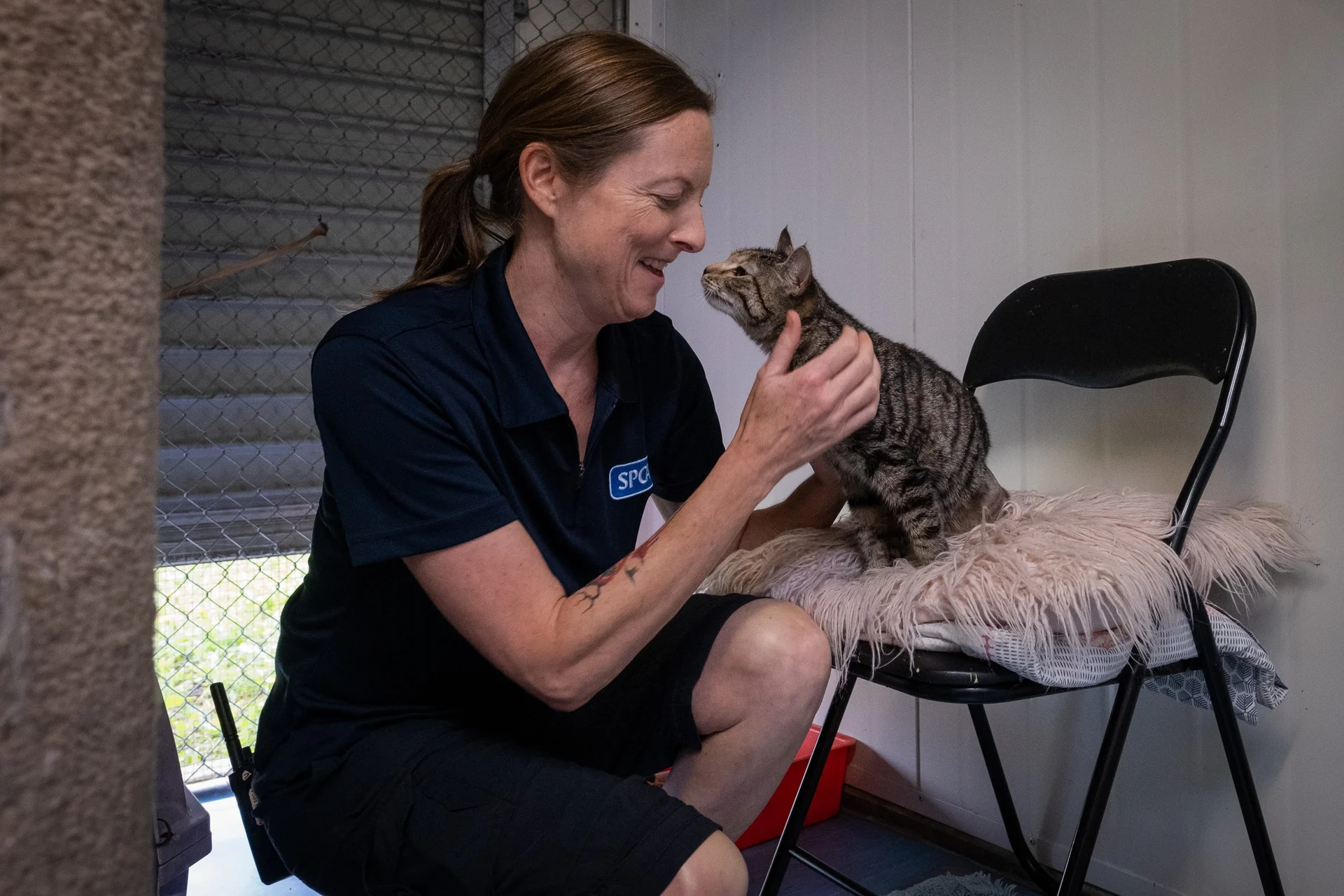
Last term council voted to look into options for making the microchipping and desexing of cats mandatory and, in the months ahead, our elected reps should get the opportunity to make a decision. The SPCA says ‘snipping and chipping’ is one of the key things we can do to make a real difference for animal welfare and reduce the large number of unwanted litters and lost animals we see.
That’s because desexing helps pets have happier and healthier lives and ensures the cycle of unwanted litters is broken. Should a pet ever become lost or stolen, microchipping gives their owner the best chance of being reunited with them.
Not surprisingly, Forest and Bird and the Sanctuary are supportive of the concept as well. When the time comes, I’m hoping our elected representatives do the right thing by our cats, birds and lizards. It’s a pretty small step in the greater scheme of things but, over time, it would make a meaningful difference.
