
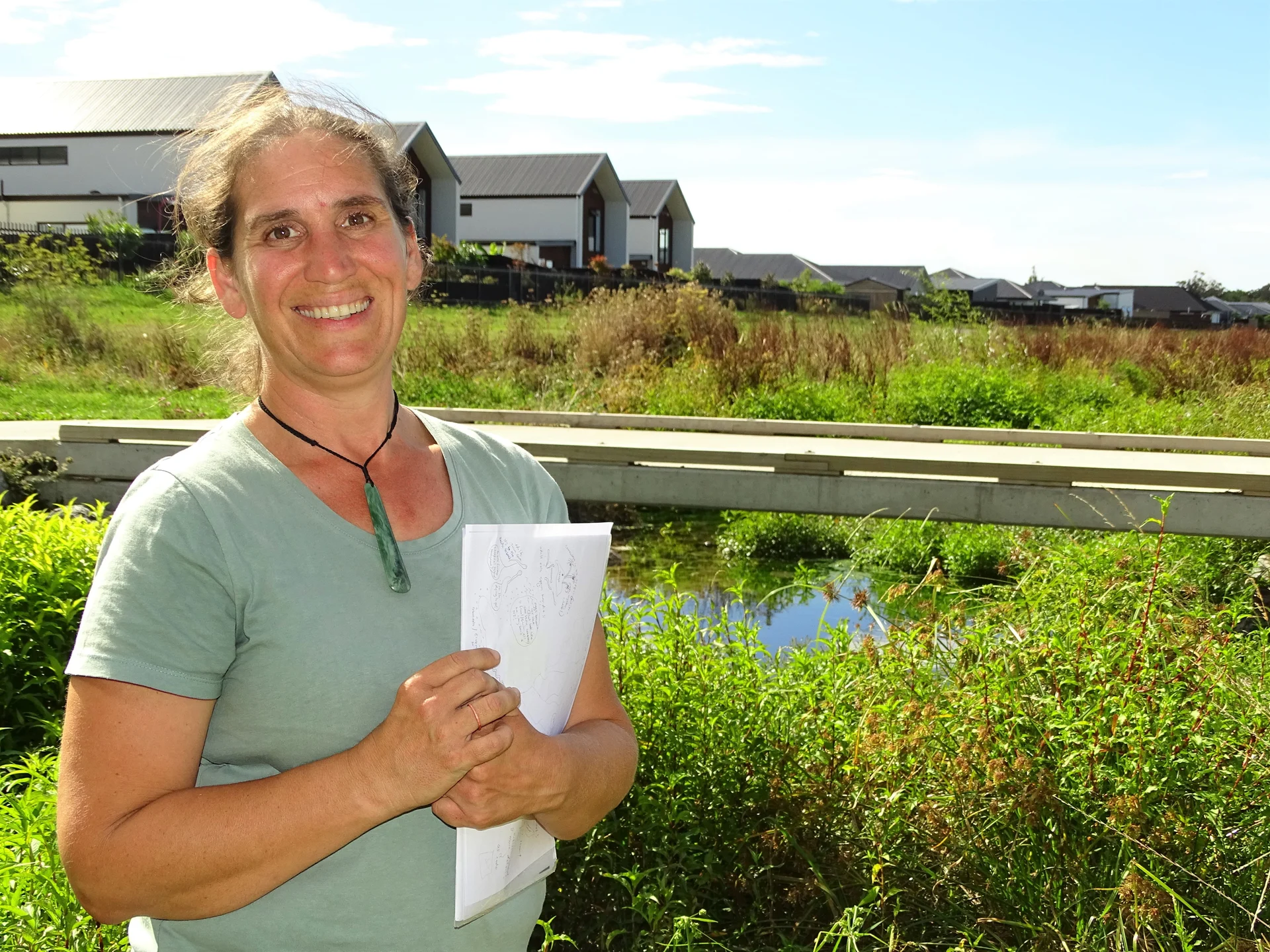
The popular eels beneath the Berryfield Bridge in Richmond have been attacked, leaving locals shocked and rallying to their aid.
Leah Gibson took her young children to visit the eels last week and was met by the gruesome sight of a hacked dead eel and another that was still alive but badly injured.
“One of the big eels was headless and one of the other ones had about three-quarters of the head cut off and had what looked like it’s brains hanging out.”
The stream is usually teeming with eels under the bridge and Leah says she could see the tails of the others poking out, but they were very still compared with the usual activity at the site.
“Animal cruelty in my book is messed up,” Leah says. There should be a sign there saying cruelty will be reported.”
SPCA says that although it is legal to kill eels, wilful or reckless ill-treatment of wild animals, including eels, is an offence.
National inspectorate manager Alan Wilson says it is saddening to hear about the attack on the eels. He says eels are recognised as sentient animals under the Animal Welfare Act 1999 and are capable of experiencing pain and distress.
He says humans have a duty to ensure eels are treated as humanely as possible. The association has no contact details of the people allegedly involved in the incident and, until it does, can not progress an investigation or refer it to the police. He encourages anyone with information to contact SPCA.
Leah says the site is very public and the community may need to have volunteers who regularly check the eels to try and keep them safe.
“The more eyes the better.”
Locals have also vented their anger and horror at the cruelty inflicted on the eels through their community Facebook page, with some witnessing teenage girls attacking the eels.
Tasman District Council’s environmental educator Prashanti Lovegrove says signs are being created and are now with a graphic artist, but concedes they will probably not change the behaviour of young people intent on doing harm.
She has spoken with a water ecologist at the council who says the cruel behaviour seen at the Berryfields Bridge stream is unfortunately common within that age group.
Prashanti has been reaching out to local schools to suggest ways of educating students about waterways and the creatures that live there. Richmond Primary School has responded with plans to take groups of students to the area to study freshwater ecosystems. She says it is about building empathy and understanding at a young age, especially in urban schools.
On the plus side, she says the threat to the eels is bringing the community together to protect them.
“The wider community is coming together and it’s really great to see people advocating for these fish. As these incidences happen, the wider community may realise it’s up to some of them to take action. But you have to be quite brave and quite a strong adult to stand up to some of these people.”
Prashanti says the eels are either shortfin or longfin – it is difficult to tell when they are young – and have naturally made their way up the stream.
Shortfin eels are common and can live for up to 30 years, while the longfin eels are endemic to New Zealand, are at risk of declining and can live for 100 years.
