
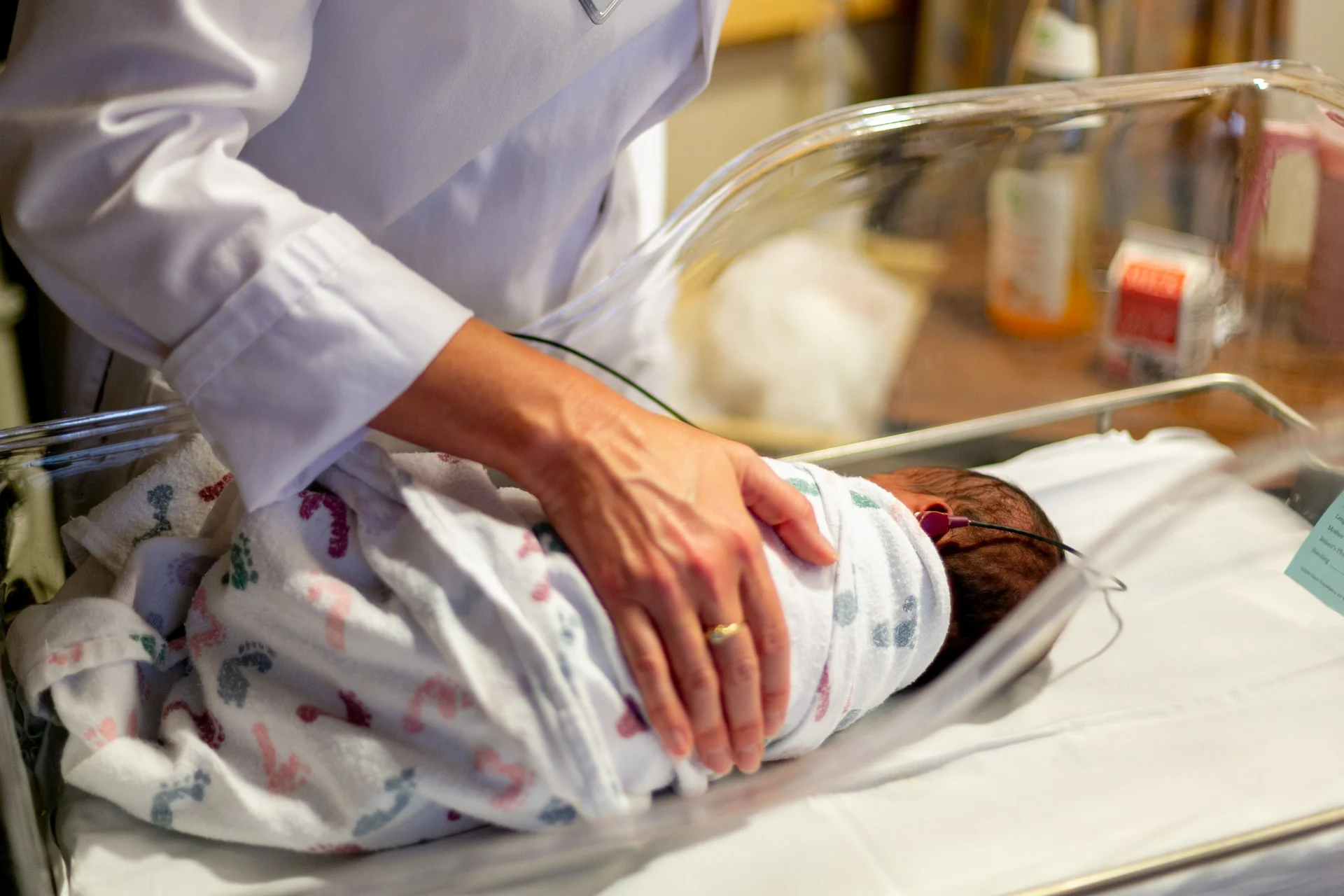
Watching a baby with whooping cough turn blue because it cannot breathe is scary even for doctors, and Nelson paediatrician Dr Nick Baker is pleading with parents to vaccinate.
It follows two recent deaths from the highly-infectious disease nationally and concerns about its spread as vaccination rates wane.
Dr Baker, who is also chief medical officer for Te Whatu Ora – Health New Zealand Nelson-Marlborough, says the region follows the national trend of a dropping vaccination rate, caused by the Covid-19 disruption to vaccination programmes and some people becoming “vaccination wary”.
The region still has good vaccination coverage compared with national figures, but he is concerned about people making choices about vaccination based on information from social media, instead of seeking professional advice.
Whooping cough is particularly dangerous for young babies and he says more than half of babies less than a year old with the disease end up in hospital.
“Whooping cough is very infectious and can roar through communities. We need to protect all our community, but particularly children under one and most especially newborns for the first six weeks of life.
“Whooping cough is cough, cough, cough and no time to breathe and then they go blue. Even for me as a paediatrician, watching a baby going blue and unable to breathe because of whooping cough is still pretty scary.”
Ideally, pregnant women are vaccinated to protect their newborn baby, which then gets its first vaccination at six weeks, followed by another at three months and then five months. Boosters are given at four years and 11 years.
Dr Baker says everyone who has regular contact with a newborn baby should be vaccinated to protect it from whooping cough as it is not fully protected until it has its third vaccination dose. Even then, the vaccinations will not protect the baby 100 per cent.
“So we have to do our best for wrap-around protection for our little ones.”
He says most parents today do not know the dangers of whooping cough because of a successful vaccination programme. For a comparison, a visit to Port Nelson to look at the passenger lists of the ships bringing settlers to Nelson in the mid-1800s reveal how many children died on the voyages from whooping cough.
Winter is when whooping cough is usually at its worst and Dr Baker says that is because people are closer together, the virus does not dry out in the colder weather and there are less sunshine hours to kill bugs.
The country has a whooping cough epidemic every three to five years and the last outbreak was in 2017-19. No cases were reported in 2020 and 2021 due to public health measures related to Covid-19.
