Murchison Area School has reduced its carbon footprint by replacing coal with low-carbon energy to stay warm through winter.
As part of the Government’s decarbonisation programme for schools, the 200-pupil school has had its old coal-powered boiler replaced with a new system that burns wood pellets and reduces carbon emissions.
The Government paid for the decommissioning of the old coal boiler and installation of the new boiler system.
Principal Andy Ashworth says there are numerous bonuses that come with the change. The downside is it will cost the school $20,000 a year to run the new system.
Until last year, trucks full of coal carrying up to five tonnes of coal at a time, drove into the middle of the school two or three times a term and he says it was not ideal.
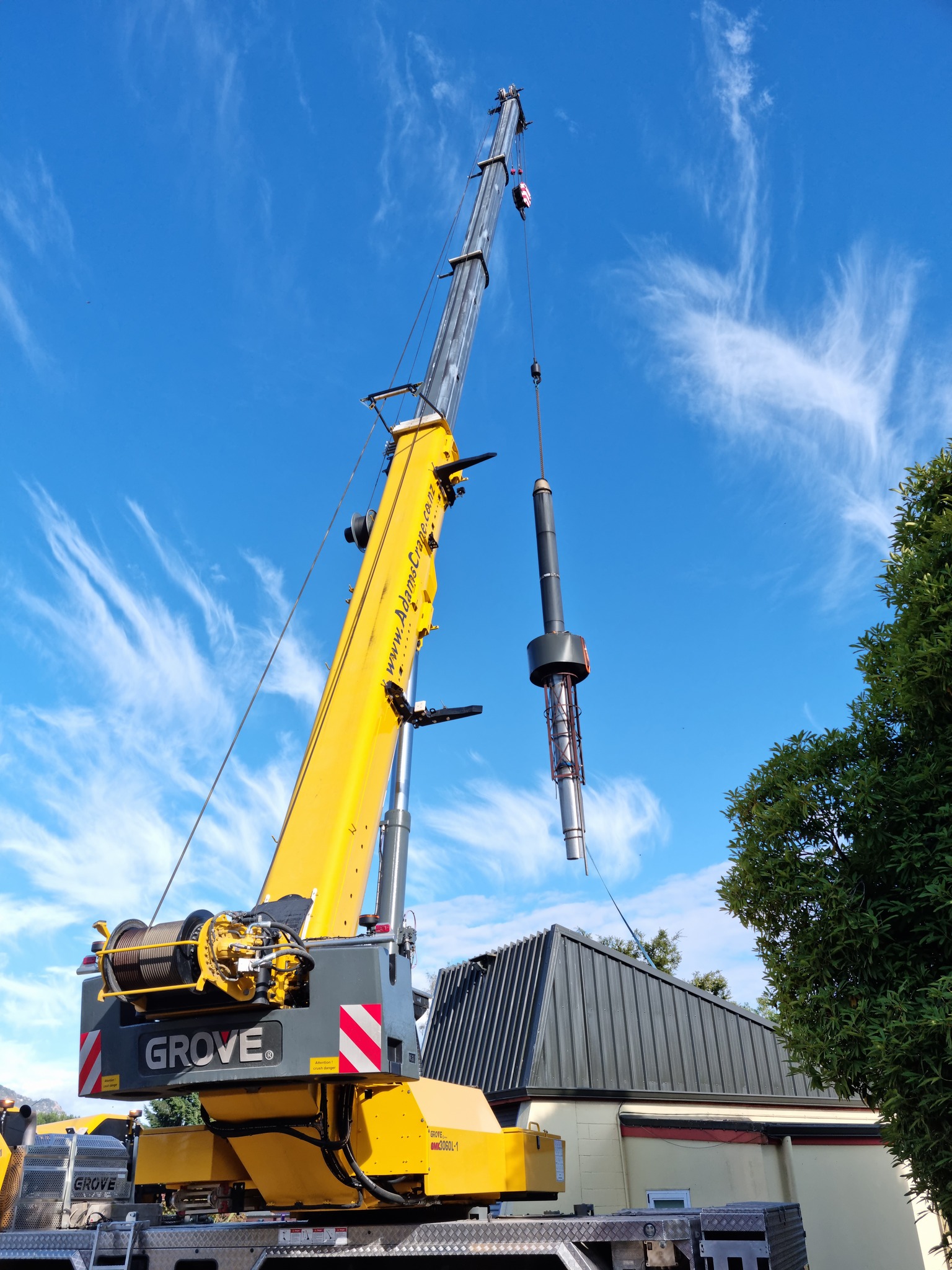
“The old boiler was a health hazard in the middle of the school and big trucks coming in, whereas this new system is on the outside of the school.”
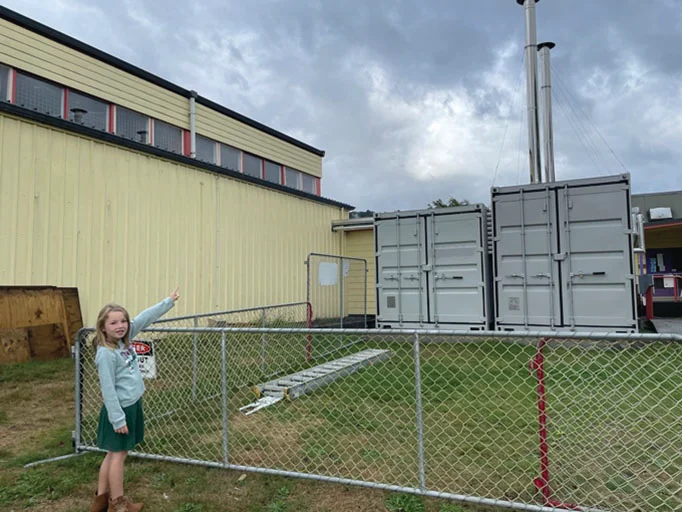
Now, the new boiler system sits in two shipping containers. One contains the boiler and electronics and the other holds the wood pellets that feed into boiler.
Andy says a container of 20 tonnes of pellets should last an entire term and produce just three kilograms of ash, making it an efficient fuel.
“We will have virtually no waste at all which is great. The bonus on top of that is the ash that comes is not just ash and is perfect for gardens.”
At this stage, only three companies supply the wood pellets and the school will have to initially get it trucked from Tauranga. In the future it will be Invercargill.
“Overall, we are extremely happy and it will be great for the school,” Andy says. “We haven’t paid for the scheme, but all schools pay for their own heating costs and that’s expensive. It will cost us about $20,000 a year. That’s money we aren’t using somewhere else. We look forward to the Government contributing more to the raw materials.”
The school is included in the West Coast sector for the programme and has been the first in that sector to reduce emissions by ditching its coal-powered boiler.
Andy says the new system will be beneficial to the environment, the community and will help with its growing roll.
There have been 12 new teachers employed this year - mostly in part-time roles. Five years ago the school had a roll of 120 students and Andy says that it has grown to 200, partly due to families moving to the area and also secondary-age students staying at the school.
“We keep getting bigger and bigger.”
