
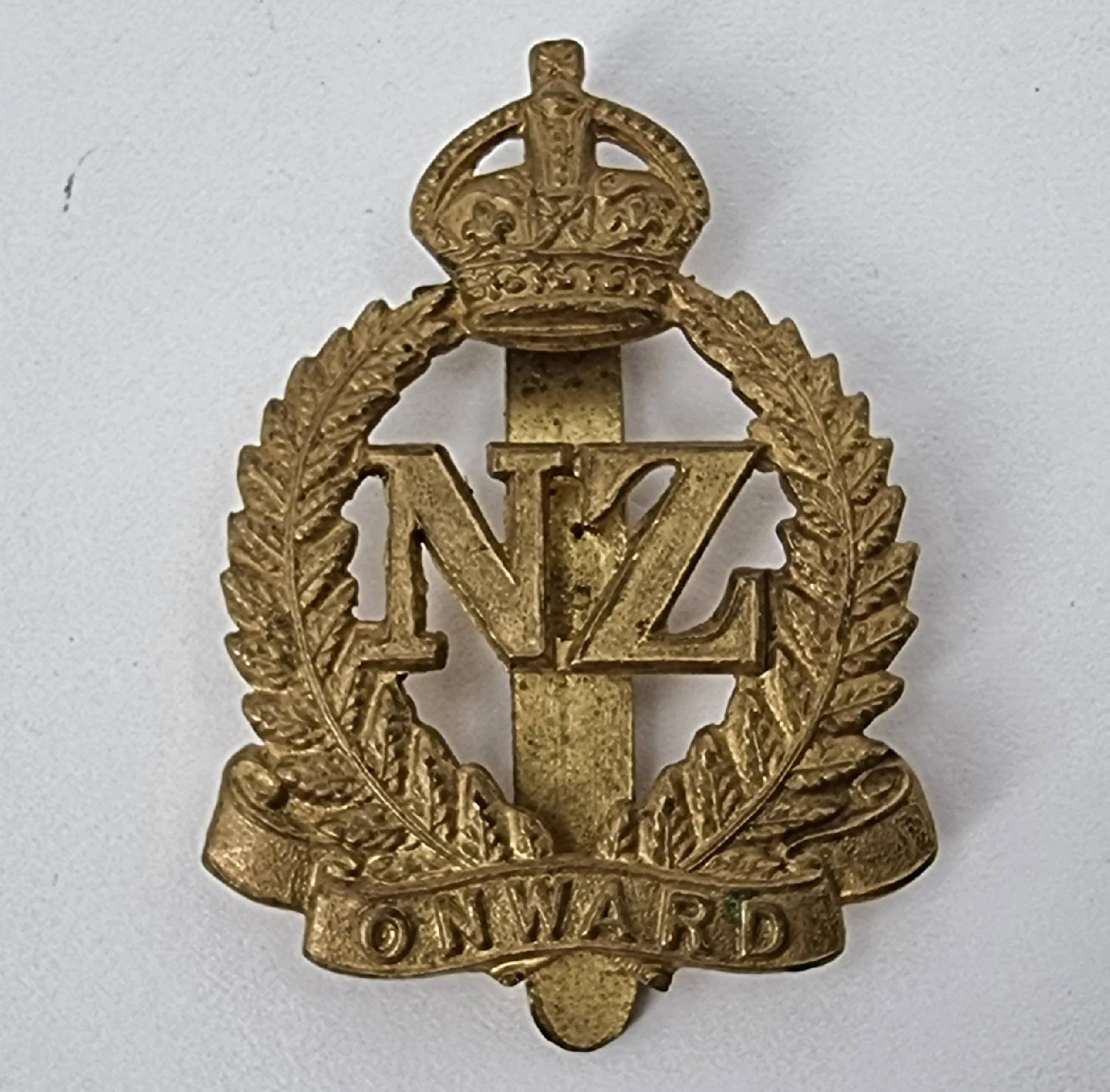
The Waimea Plains was the scene of heavy fighting in early February 1943 between a New Zealand army divisional formation and the ‘Japanese invaders’.
The purpose was to carry out army manoeuvres, giving a chance to prepare and practice in the event of an enemy coming to our shores.
For Home Defence troops this was the nearest approach to reality. The men got to know their place and duties in the scheme of battle and gained experience in the handling of their vehicles and weapons. For the troops, generally the manoeuvres provided practice as near as possible to actual war.
These manoeuvres, which had started in Marlborough on 25 January, continued into the Nelson region with an enemy landing. The army moved to defend via Tophouse and Kohatu and the defence of Spooners Range, completed by one battalion and a flank attack.
Initially, little news of the progress made by the New Zealand forces was available for several days until it became known that an outstanding success was achieved in the battle of Richmond.
The army division formation had contacted the ‘enemy’ near Belgrove and pushed them back past Foxhill to the hills east of Wakefield. The invaders provided fierce opposition, using anti-tank guns, mortars and machine guns.
Under cover of darkness, the New Zealand Force changed the disposition of its troops and launched another attack.
Enemy planes were active, bombing and strafing continuously, but due to effective camouflage and the efficiency of training, the defenders’ casualties were light. There were exciting dogfights all over the skies between planes of the two forces.
During the battle, a battalion of New Zealand infantry made a sharp thrust with tank and artillery support.
Armoured fighting vehicles protected the flanks and carried out useful patrol work. The infantry in this advance pushed the enemy back through Spring Grove to Brightwater, which was occupied, before a line along the Wairoa River was consolidated.
The New Zealand force was able to establish a definite line extending from the hills near Wakefield in the east across to the Motueka river valley in the west.
Later, the order was ‘Richmond or bust’ and the capture of the township in a heavily concentrated attack was one of the highlight features of the battle.
The invaders who were reduced in numbers showed great skill, but after fierce resistance they collapsed under the pressure of street fighting in the township.
Each side practised covet operations in an effort to win. In this particular engagement, the enemy was dislodged from an important forward base and their prospects of retaining any foothold in the district had been reduced to being very slender.
They were forced back to the Stoke area and the New Zealand forces took up a line between the foothills and the sea on the Nelson side of Richmond.
