
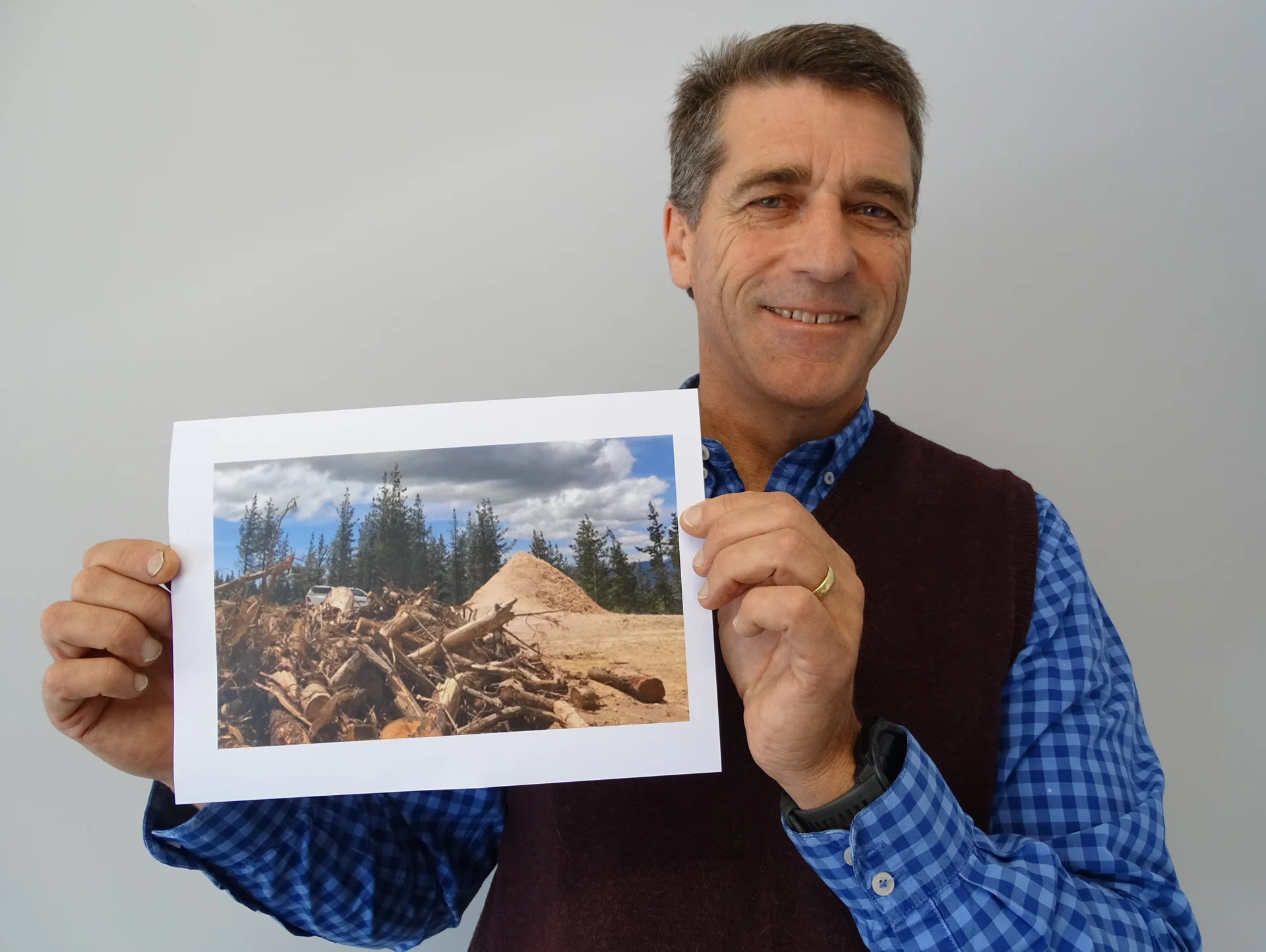
Hydrogen produced from the region’s forestry waste could be used to fuel heavy fleets locally and potentially be exported to other regions.
Taylors Contracting business development manager David Robinson says about 8,000ha of forest will be harvested within 100km of Nelson in the next five years which will make a lot of residue available that could be used to extract hydrogen.
He says the Government is focused on electricity to replace fossil fuel and burning wood solely as a fuel, but other alternatives will still be needed.
Apart from the limitations of the national electricity grid, vehicles in more remote locations will not be able to rely on battery-powered vehicles.
Until now, most companies seeking to decarbonise fleets of vehicles have focused on battery power, though he says there has been some work done on hydrogen.
He wants to see collaboration in the region between companies with fleets of heavy-duty machines such as trucks, bulldozers and construction, to commercialise the production of hydrogen.
“Nelson as a community is really good at collaborating with each other. It’s one of our strengths. So, we have an opportunity to get together and work out a solution in this space.”
The cost of producing hydrogen is still high, but he says a group of end users collaborating on a project would spread the cost of conversion across a larger group of companies.
He suggests the region could have a hub distribution model that supplies local needs and surplus could be exported to other regions.
While the Nelson-Tasman region has a substantial forestry compared to its industry, he says Canterbury is the opposite and has a deficit for its energy needs.
David says hydrogen can be extracted from wood using heat, yielding about 10 percent of the weight of the wood. About one tonne of hydrogen could provide the energy to deliver all the wood for a forestry company per day.
The heat generated from burning low-emission wood instead of coal is already used to run facilities such as glasshouses, sawmills and even hospitals, and he says there is potential to capture hydrogen as well.
It can then be used for hydrogen-powered, fuel-cell electric vehicles and he says it is also possible to use the gas through a fuel cell to charge a battery vehicle.
“The understanding of technology is there, but it’s not ready to be used off the shelf. There’s a lot of development happening though. This is the sort of thing you are going to see more of in five-years time.”
He says the Government needs to make a clear statement about what the low-carbon future of heavy machinery looks like in New Zealand, which will make people swing in behind it and make it work.
“We have to start the ball rolling. People are motivated; they just have to be brought together in groups to make it happen.”
Hydrogen production and hydrogen-powered vehicles are already being developed overseas and he says that is another reason why New Zealand needs to produce hydrogen, otherwise they will not be able to be used here.
