Some orchardists in Tasman and Marlborough are becoming increasingly worried about the fate of their crops and livelihoods due to devastating Varroa bee mortality.
Bees are critical to orchardists to pollinate their fruit trees and Varroa mites are one of the major pests of honeybees. Varroa can seriously undermine bees by feeding on their body tissues and increasing transmission of bee viruses. Although they are always present, Varroa levels can increase in a hive very quickly and cause death to the whole colony.
Varroa is a nationwide problem and last summer was the most challenging for beekeepers to combat the pest in the Tasman-Marlborough regions.
It’s not just local beekeepers struggling with Varroa mites; it’s a nationwide problem and has been since 2000. However, this past summer was the most challenging for beekeepers in the Nelson and Tasman region.
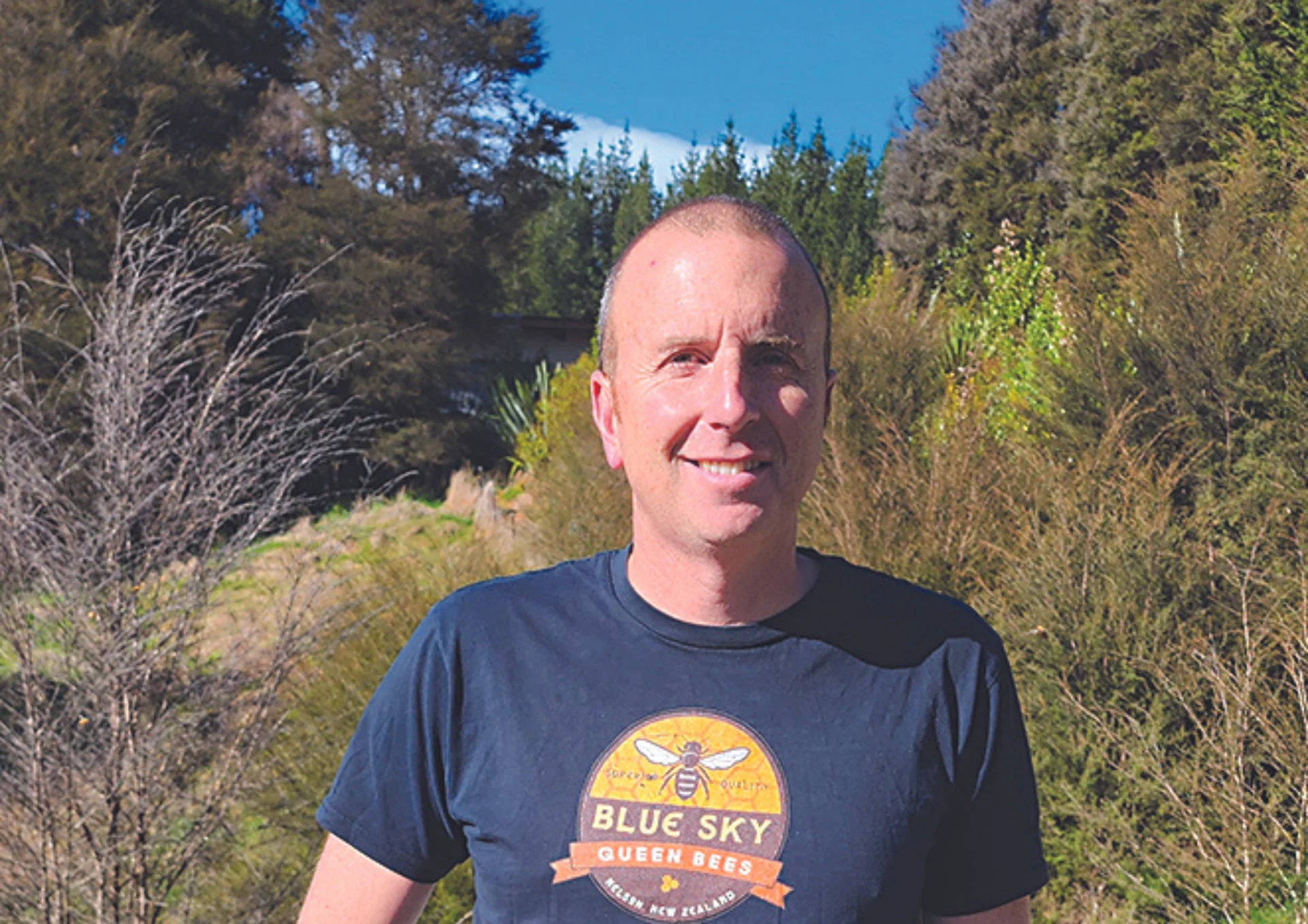
“Last summer Marlborough was badly affected and while the impact to us wasn’t too concerning, however, this summer just gone has been a completely different story,.” says Nick Milne, a long-time beekeeper and advocate for the bee sector., says: “Last year’s summer (2002) Marlborough was badly affected and the impact to him wasn’t too concerning. However, this summer just gone, it’s been a completely different story.”
He says beekeepers transport hives of bees to particular locations on local orchards. These bees are only there for a short time, but they have a vital job of pollinating the fruit trees while there.
“Their contribution to fruit tree pollination is so significant that some orchardists are becoming increasingly worried about the fate of their crops, and income when hearing of the devastating reports of the huge bee mortality resulting from Varroa,” says Nick.
“With bees, it’s not all about the honey. Bees play an important role pollinating local orchards and that is often a significant part of a beekeepers’ income,” says Nick.
Varroa mites are one of the most problematic pests of honeybees, Varroa can seriously undermining a bee by feeding on their body tissues and increasing transmission of bee viruses. Although they are always present, Varroa levels can increase in a hive very quickly and cause death to the whole colony.
The Chatham Islands is the only significant bee population in New Zealand that remains free of this mite. To treat Varroa beekeepers generally place special strips containing Varroa treatment into hives twice a year. and as bees walk on the strip's surface, they pick up molecules of the active ingredient and distribute them throughout the colony. The treatment is proven safe to the bees and the honey.
“This year we have been having to use additional products, on top of the strips, to control the Varroa, which is an additional cost,” says Nick.
He says additional costs are not welcomed with falling international demand, slipping export prices and hot honey sale spots like Queenstown still not at pre- Covid levels for tourism, seriously impacting the sector.
“There’s a lot going on in the space,” Nick explains, “increasing costs, low demand resulting in market over-supply and ongoing Varroa mite infestations are making things challenging. A lack of government support and a worldwide recession is also ramping up the pressure.
“In some cases, beekeepers that we deal with have seen their wholesale honey price collapse to less than a third of what it was four years ago - that’s if they can even sell it. High- end Manuka honey has been the worst affected in terms of price and demand dropping.”
“It’s not all about the honey, bees play an important role pollinating local orchards and that is often a significant part of a beekeepers’ income,” says States Nick.
“Beekeepers’ transport hives of bees to particular locations on local orchards. These bees are only there for a short time but have a vital job to do while there – pollination.
“Their contribution to fruit tree pollination is so significant that some orchardists are becoming increasingly worried about the fate of their crops, and income, when hearing of the devastating reports of the huge bee mortality resulting from Varroa.
Nick, and partner Erin Dunlop, have been beekeeping for 25 years. Nick’s father and grandfather were also beekeepers and Nick has spent time beekeeping in Canada, the lower North Island, Rangiora, and for the past 12 years the Nelson and Tasman region.
Their bees are more than just honey makers, they are predominantly Queen Bee breeders but also have operations with hives dedicated to pollinating orchards, honey production and they also offer rural and residential customers the chance to rent their own bee's hassle- free via another of their businesses, Backyard Bees.
“We both love bees; they are super cool to work with and they are incredibly amazing creatures,” adds Erin.
“The industry is pretty smashed, but it has promise,” sighs Nick “We are in still in a good position as we have a trusted country brand and a clean reputation. What us beekeepers’ really need is support and understanding of what’s going on in the industry so we can get back to what we do well, which is manage our hives, pollinating quality fruit and producing healthy honey.”
He says Suggested ways that the Government could support the industry by would be to reviewing the labelling and testing requirements around Manuka honey to place New Zealand and Australia on an even playing field; as well as subsidizing the cost of Varroa treatments.
“Cost is a big factor in treating Varroa. One beekeeper can be spending extra money and doing everything right to control it, but if their neighbours have a problem and aren’t treating it, the problem spreads and increases. If Varroa products were subsidised it would certainly help everyone,.” says Erin.
“The only positive to come out of the state the industry is in, is that people are connecting and talking more,” explains Nick.
“Everyone in the primary industries is struggling, which is not good news at all, but it has made people open up and talk about the challenges. If we could all get some support while supply and demand level out it would certainly improve some of the current challenges for all in the industry”.
