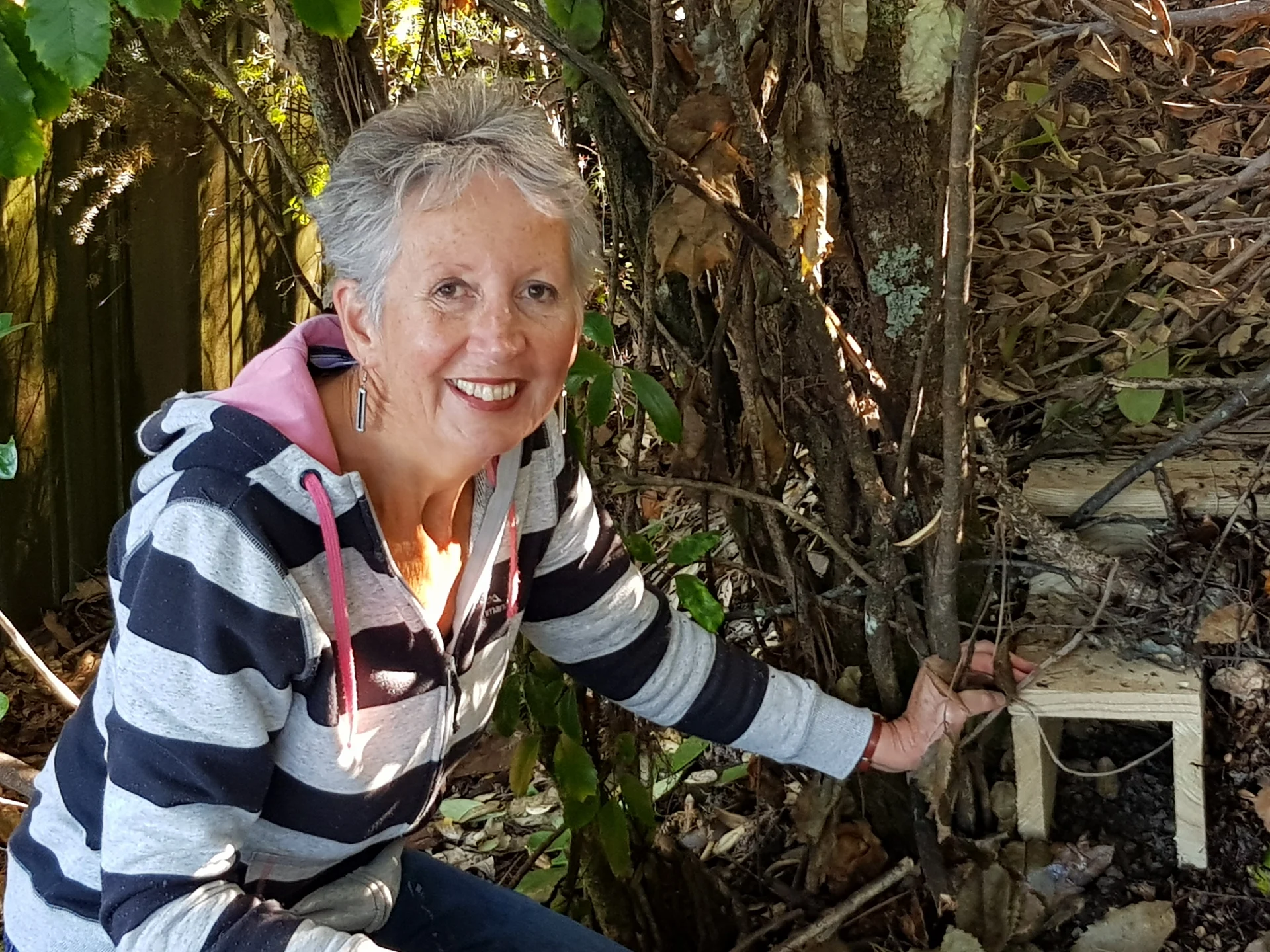
It’s another exciting and busy season for the Tasman Bay little blue penguins, known as kororā, who have a viable colony of around 170 pairs in and around the bays north and south of Kaiteriteri.
This is the time of the year when the little blues are busy establishing pair bonds, mating, and laying eggs for the next generation of blues.
“Females typically produce one to two eggs and will incubate them for 36 days,” explains Linda Jenkins, a little Kaiteriteri resident and little blue penguin advocate.
“They will come ashore around dusk, establish a nest close to the shore in caves, rock crevices, or they will dig burrows in soil or sand.”
Over the next few months, the penguin parents take turns to incubate their eggs. They swap over every two to three days, giving each other time to head out to sea to fill up with fish.
Linda’s awareness of the little blues began when she moved to Little Kaiteriteri five years ago.
“I just started to notice quietly what they were doing, where they were going and what their threats were,” she says.
“Through this, I realised no one was advocating for their safety and well-being and it started from there.”
Last year, Linda, along with a small group of others who are passionate about the little blues, formed the Tasman Bay Blue Penguin Trust.
“The trust gives our activities an entity, but it also gives the penguins an identity. Through the trust we can bring visibility to these amazing birds,” says Linda.
The little blues are especially vulnerable during the breeding season to predators, such as dog attacks, and vehicle strikes, as they incubate eggs on their nest and come and go from the ocean.
“Breeding season is from July to December, and it takes two penguins to successfully raise a chick. If one is injured or dies the remaining one can’t sit on eggs and incubate the egg as well as go and get food - so that burrow will fail, which is really devastating,” says Linda.
“Many have to cross the road after dark to reach their burrow or to get back to sea before dawn, so if you’re driving our local roads at night please slow down and keep a watchful eye out for our little blues.
“They are around 40cm tall and only weigh around one kilogram, so the size of a football,” adds Linda.
“Although they are charismatic and feisty with a cute factor, they are vulnerable and numbers are declining, so it would be great to give these guys a fair chance.
“Unfortunately, the little blues are losing their habitat to residential development. More development means more people, more dogs and more cats, which are all big risks to the little blues.”
There are things that locals and visitors can do to reduce the threats to the little blues around the Kaiteriteri bays, such as: keeping the beach free of rubbish, driving slowly, making sure dogs are on leashes, keeping cats inside at night and being proactive about pest control (mainly rats and stoats) which feast on little blue eggs and freshly-hatched chicks.
Linda says it’s “amazing” to think we have the world’s smallest penguin living here.
“All of us involved with the little blues are trying to raise awareness of how they need our support, especially during these months when they are extremely active in creating the next generation of little blues.”
