
A struggling workforce of GPs in the Nelson Tasman region is dealing with 600 more patients a week than they were a few years ago and nearly all the medical centres are limiting new enrolments.
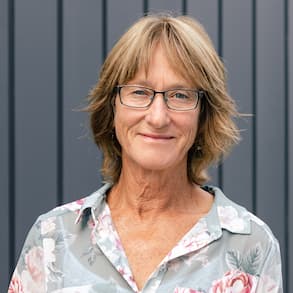
Nelson GP (general practice) spokesperson Graham Loveridge says GPs in the Nelson Tasman region are grappling with the workload due to the inability to recruit more GPs, more complex patients and the overloaded hospital system pushing more patients on to GPs.
“We have an older population now and many will have more than one problem and the hospital system is struggling to cope. That means we’re getting more complicated patients being pushed back into general practice.”
At the same time, the population in Nelson and Tasman is growing and 10 per cent of the GP workforce is over the age of 65.
“That’s a major issue and we just haven’t been training enough young GPs to come in at the bottom end to replace those who are going to retire in the next five years. So unfortunately, the problem is going to get worse.”
Medical centres online show that only four centres in Nelson and Tasman are welcoming new enrolments and three of those are in rural towns. Two are not taking any more enrolments and the rest are taking limited enrolments.
Graham says that usually means they will enrol someone in need of a GP now such as a pregnant woman or someone with a young baby.
In the past two to three years, medical centres have increasingly relied on other staff to cope with the shortage of GPs.
Graham says the role of practice nurses has expanded and there are more nurse practitioners who have extra training, nurse prescribers who can prescribe, plus health care assistants who can do jobs such as taking blood pressure or taking blood from patients.
Quite a few practices now have health improvement practitioners to work with patients on health issues such as diet and exercise, or mild anxiety and depression.
“That’s a way of keeping the workload off the GP so they can be seeing the things where their skills are better needed like diagnosing a condition or managing complex conditions.”
That is fine, he says, but it means the days of knowing your GP over the years will be more difficult to sustain when patients see two to three practitioners within one practice.
“GPs enjoy that long-term relationship with people, but on the other hand it’s a matter of still finding a way of providing good-quality healthcare.”
People seeking urgent medical help from their doctor should let the receptionist know it is urgent, so they are more likely to get an appointment on the day, he says.
“If people are grappling with this, don’t abuse the receptionist. They have been copping a bit of flak, but it’s not them making those decisions. This is a political problem.”
Graham says the Nelson Tasman region was relatively protected from the shortage of GPs in the past because it could attract them more easily than some places.
“Nelson is struggling now and so we’re a bit like a canary in the coal mine in the sense that if Nelson is struggling, everywhere is really struggling.”
He says many practices cannot recruit more GPs and are trying their best to deal with the patients they have.
Though GPs have been recruited from overseas, he says there are not enough and it still takes time for them to come up to speed with the New Zealand health system.
