
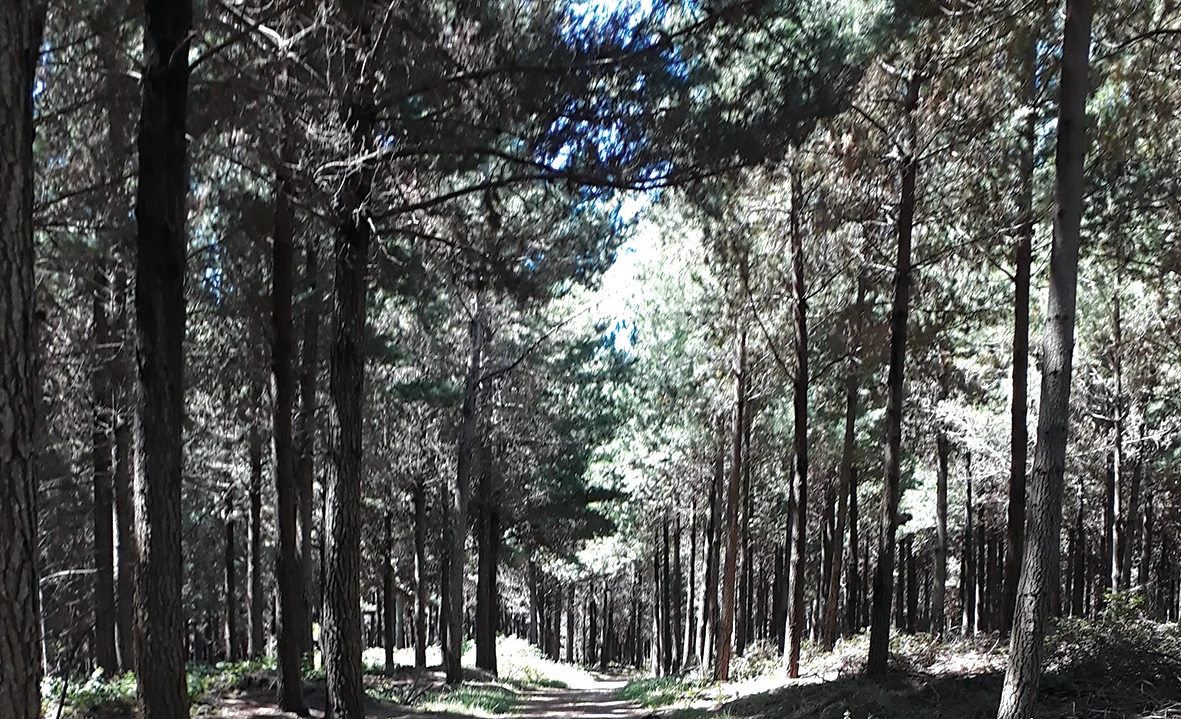
After Rabbit Island was officially declared as being reserved for plantation the Waimea County Council were keen to get it underway, partially as they realised that when both Rabbit and Rough Islands were at the productive stage they would gain a sizable revenue from the trees.
With the control of the area, some 2600 acres (including Rough Island), Council set to work to plant the area in a systematic manner. Lack of funds, however, prevented planting on a large scale, but during the year a block of 18 acres was put in, and the following year another 18 acres were planted.
Nothing further was done in the way of planting until 1927, and after a lapse of three years further areas were put down in pines and gums. In the meantime, the island had been surveyed into 200-acre blocks, a nursery established, and a good deal of the scrub-covered land was cleared prior to planting with special care taken to provide for firebreaks.
A caretaker was installed and lived in the old homestead built for Henry Redwood with the stable used for storage purposes.
The Domain Board had control of five chains skirting the seaside of the island, and also of a chain-wide road running right through to a 10-acre block which was set aside as the public domain. The domain itself was well sheltered from the prevailing winds and not far from the beach. Fireplaces were provided, while fresh water was obtainable from wells sunk only a few feet down.
A small nursery was established on the island, and in May 1932 between 30,000 and 40,000 pinus insignis plants were ready for planting.
The then Minister for Unemployment recommended to the Council that a camp be established on the island for tree planting, so a camp of 30 single men was established in May 1932 with tents and frames being provided by the Public Work’s Department. Rate of pay was 10s per week for a period of four months. Cost of food was deducted from their pay.
A married men’s camp followed late June under the unemployment scheme. A large wooden building had been divided into compartments providing room for four men each. A dining room and cookhouse were still to be built. Rates of pay varied from 37s 6d to 50s per week, from which cost of rations would be deducted.
With some trees approaching readiness for milling, discussions ensued as to how this would take place. Some suggested building a mill on the island while others felt it was appropriate that small vessels could easily work several points of the island, while at Mapua itself much larger vessels could be accommodated.
In 1936 there was serious discussion on putting a road across Rabbit Island to form a road from Mapua to Tahuna.
A final word from an advocate of the plantation was shared in the newspaper stating, “ratepayers in the future should have cause to thank the Council for the foresight shown in converting a waste area into a revenue-producing asset”.
