
Age Concern is carrying out a survey to find out whether older people in the region are struggling to pay their grocery bills and buy nutritious food.
The survey can be found here and asks people over the age of 65 whether they worry about not having enough to eat, whether they skip meals, eat less than they need and whether they have been hungry but do not eat.
It also asks whether they have used a Foodbank and if they know how to access a Foodbank, plus how much they spend on food each week.
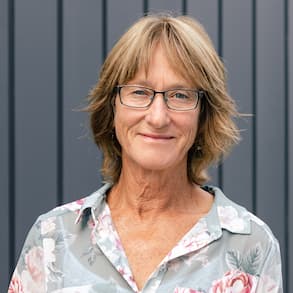
Age Concern Nelson Tasman’s manager Caroline Budge says they think older people are struggling, but the survey will help clarify how much they are struggling.
“It’s really important to speak to older adults because they usually are on fixed income which makes it harder to fill the gaps.”
Government agencies are keen to get a clearer picture of the food challenge for older people as well and she says Age Concern’s contacts give it a wider reach to gather information.
“It’s a basic human right to be able to feed yourself well with good nutritional food, but that’s becoming harder to do, I think. Particularly if people are living by themselves and funding all the costs themselves.
“My gut feeling is that for some older people it is fine, but for others it is a real struggle.”
For those older people paying rent from their pension, especially if they are on their own, she says the average rent in the region is $400 which leaves little for other bills and food.
“Living on a pension is hard and a lot of older people will be too proud to use a Foodbank.”
Caroline says older people are often forgotten and points out there has been little talk about them in the lead-up to the election, despite them being the fastest-growing sector of the population. She says that even the Ministry of Health’s Pae Ora strategies that set the direction of the health system has little mention of the needs of older people. The focus is often on youth and overlooks older people, she says.
The surveys can be filled in online or printed off for those older people who are not online.
“We want to reach as wide a range of people as possible across the region. We’ll run the survey for a couple of weeks and pull together data to produce a report that we’ll give to those who need to know.”
She points out that older people over the age of 65 include more than one generation and the needs can be quite different for a 65-year-old compared with someone who is 95.
