
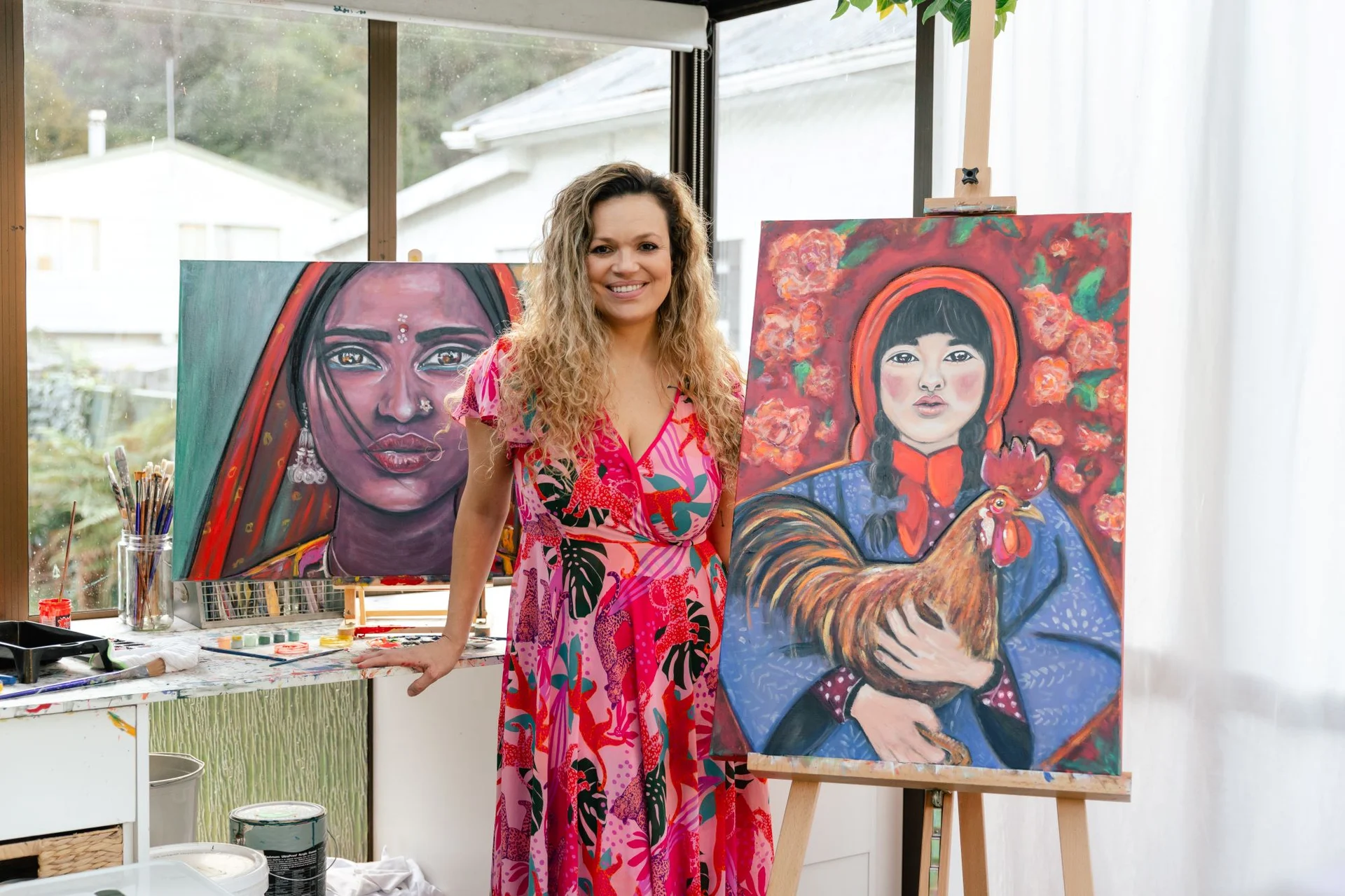
Karolina Serrano moved from Columbia in 2018 and planned to stay for a year, but fell in love with the place, and a man, so never returned. She has developed a passion for art and is the first migrant to share their story as part of a regular feature.
As told to Felicity Connell
I’ve been living in Nelson since 2018. We came to New Zealand because my then 14-year-old daughter Sofia wanted to practice her English by going to a local school. We chose Nelson because my mum and my younger siblings were already here. The plan was to stay for a year. The rest of my family followed the plan and returned to Colombia after a year. But I’d fallen in love with Nelson, and my partner Marcos, so I decided to stay.
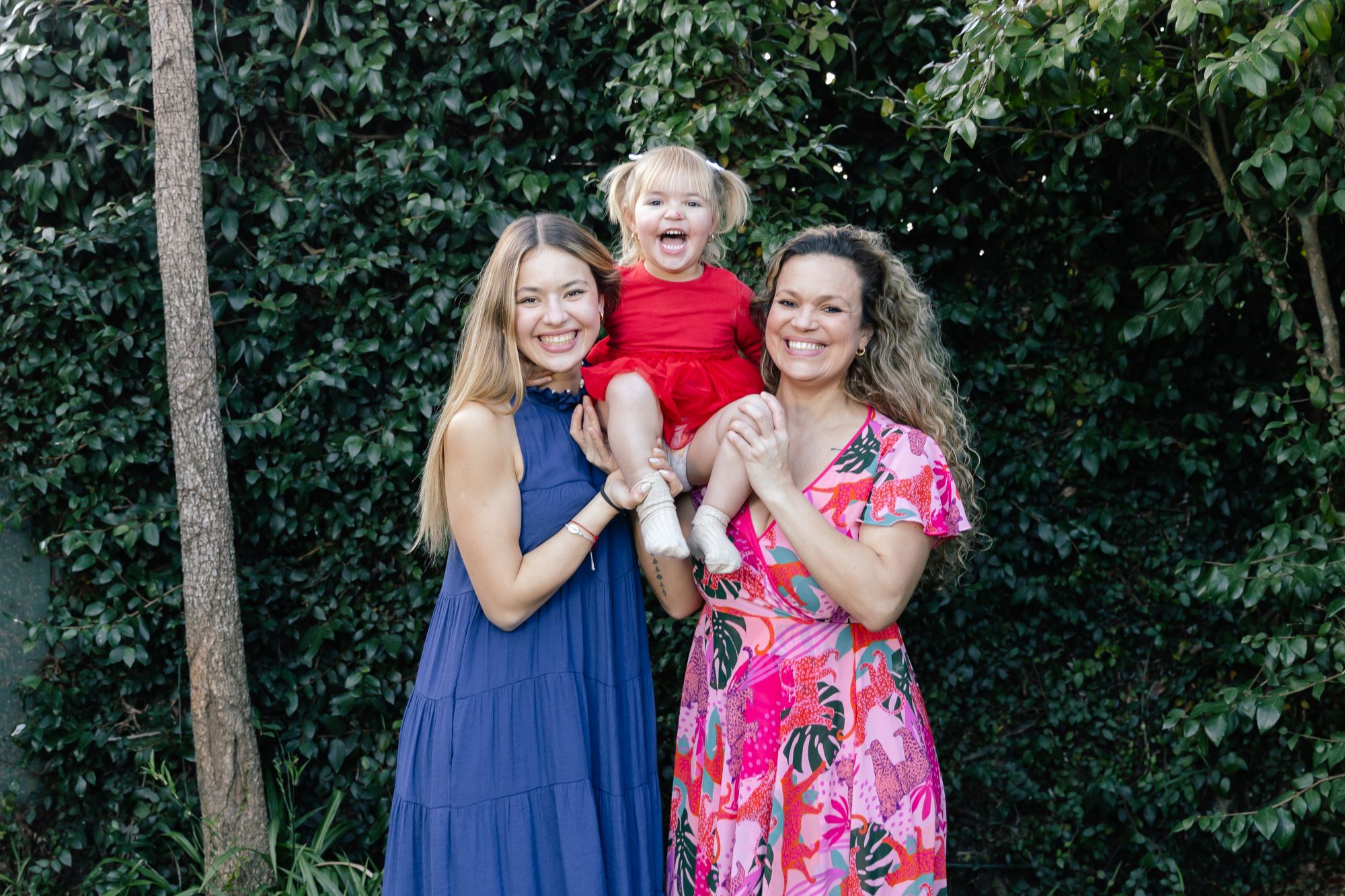
Living in Nelson was a big change from cities where I had previously lived - Bogotá, Madrid and New York. In the big cities you’re always rushing, there are so many people, so much traffic. Here, the rhythm is a lot slower, and life is calmer. You’ve got more time to think. The first thing I remember that really impressed me was feeling safe. In Bogotá you’re always on high alert for your personal safety. You’re always thinking that someone might steal your phone or your wallet, and it’s really exhausting.
I appreciate that in Nelson we are surrounded by nature. From where I live, I can walk to The Brook Waimārama Sanctuary, or I can walk along the river to town. I love the sound of the river – it is very calming.
I miss my mum’s soup! Colombia is well known for its soups but it’s hard to find the right ingredients for our traditional dishes here. Sometimes you can buy some things that are frozen, but it doesn’t taste the same. I also miss fresh tropical fruit and juices – at home we’d eat fresh fruit for breakfast, snacks and dessert – basically all day!
Colombians and Nelsonians are both warm, friendly and helpful – but Colombians are noisy and loud. We’re also very tactile– we’re huggers and kissers! New Zealanders are much more laid back – I’m still trying to find the balance!
I had to reinvent myself completely when I arrived in Nelson. In Colombia and Spain I had a career as a TV soap opera actor, but that wasn’t really an option in Nelson! So, I had to think deeply about what was important to me and how I could contribute. My first job here was being a disability support worker, so completely different from what I used to do as an actor and an artist. It was physically demanding, including cleaning and helping people with toileting and showering. No matter what I was doing, I always thought how I would want to be treated, so I would do everything with all my heart, love and empathy. And when I could, I would bring my creative side too, dancing and singing - bringing some happiness.
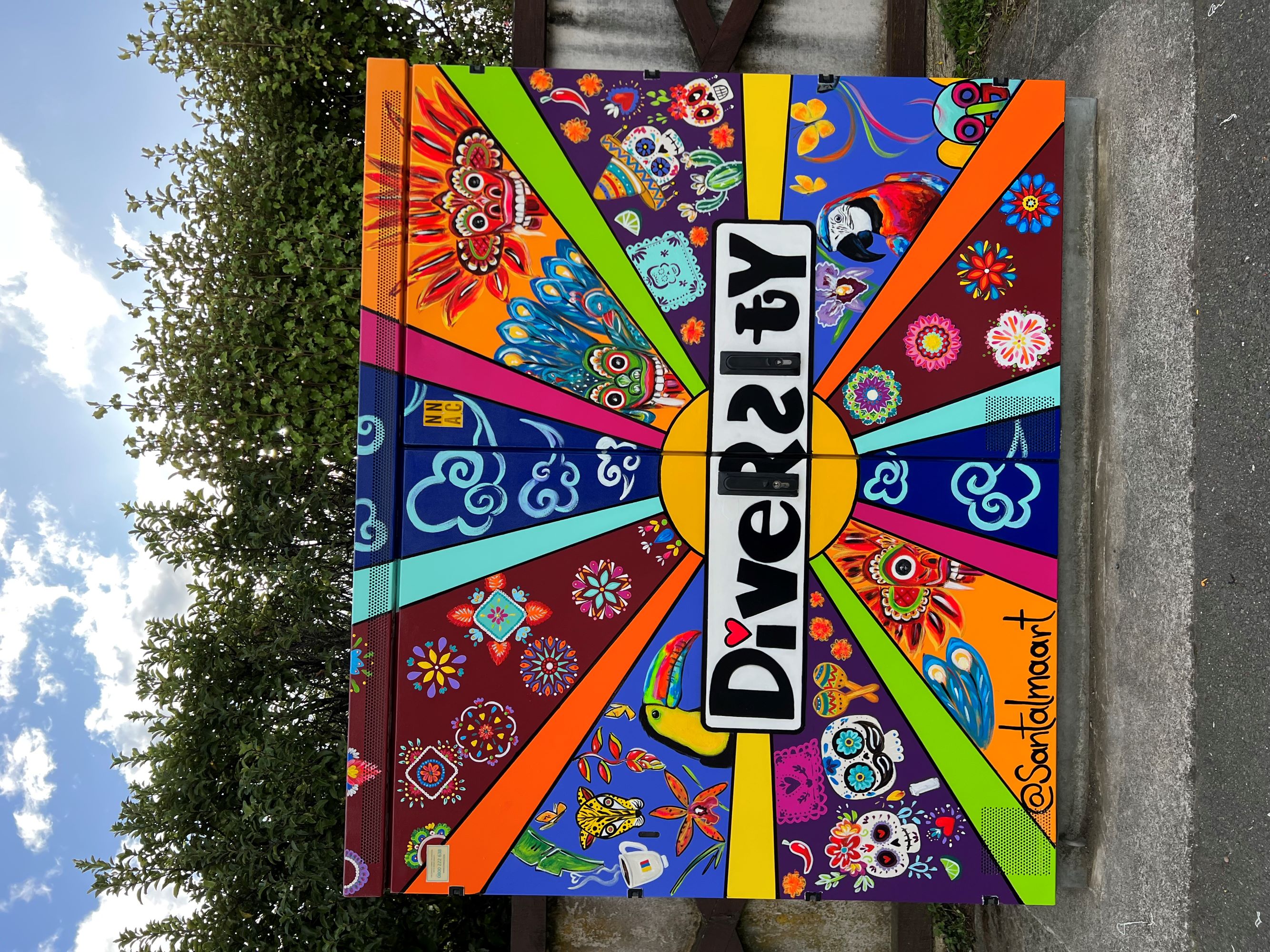
I discovered how powerful art can be to improve or positively impact people’s lives, especially migrants, former refugees or people who are struggling or vulnerable. It’s therapy and a fantastic tool. Living in Nelson has completely changed the way I see art. I grew up surrounded by art and artists – in my extended family there are over 60 artists. I always enjoyed painting but wasn’t sure if it was just because it was a big part of my family. But living here, I’ve found my own passion for art.
Coming into a different culture and not knowing the language is stressful. It’s particularly tough on teenagers. Art – whether it’s dancing or painting, can help people feel more relaxed, and able to show something they’re good at. I love events, projects and spaces that bring different communities together like the Multicultural Festival, Cultural Conversations or Diversity Day. It gives everyone the chance to share their cultural traditions with others. When local people support events and projects involving migrants and former refugees it makes abig difference. We love to share our culture, and when locals get involved, it helps us feel welcomed, supported and respected.
My advice to others moving to Nelson? Just enjoy the calm and the nature. We are blessed here. We have the river, the mountains, the ocean – we have everything. It can be hard when you miss the place you called home and familiar things, but be open to new things too.
People from different cultural backgrounds can share the same challenges, and projects like Cultural Conversations can help people. I’ve seen a woman from Pakistan and a woman from Colombia bond even though they don’t share a language or culture, and neither of them speak much English. Yet they have created a special connection – they say “She’s like my sister, she is an important person in my life,” because they were in a space where they felt safe and they could be themselves.
The beauty of women from different cultural backgrounds has inspired my new solo exhibition. It’s called Beauty has no borders and is on show now at the Refinery ArtSpace until 14 October.
I was surprised by how often women compliment each other here. Often women will say ‘you look so beautiful’ or ‘I like your dress.’ In South America there is a lot of pressure for women to follow a certain stereotype of beauty and they tend to be judgmental – both on themselves and one another. I’m learning to be kinder to myself, and be a positive role model for my daughters, too.
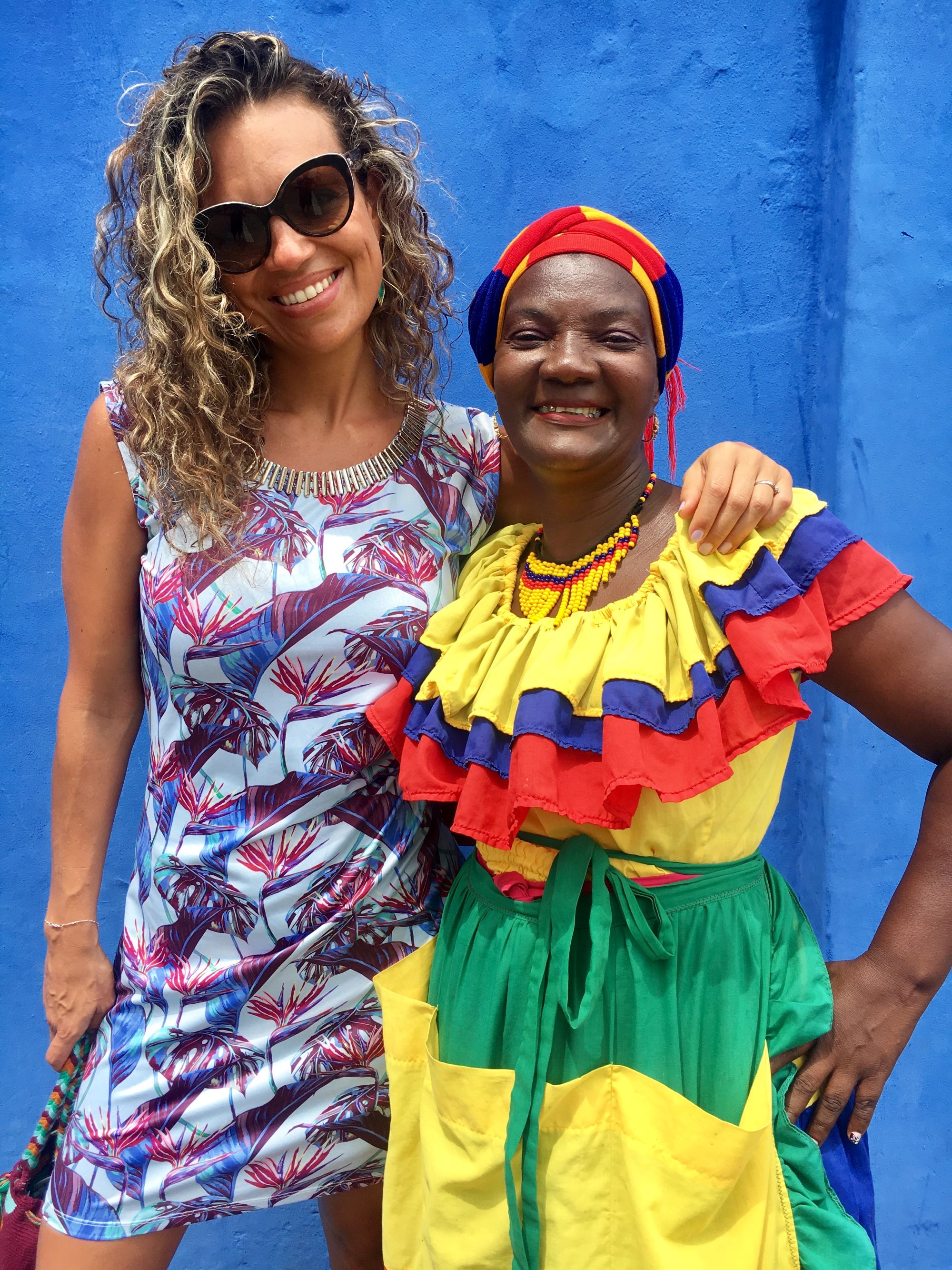
There is a different style of dressing in New Zealand. In Colombia, women dress up, wear high heels and full make-up a lot of the time – even to go to the supermarket. Here I see women go to the supermarket in their pajamas and bare feet. It’s so much more relaxed!
I’d like locals to know that newcomers might not necessarily understand something, even if it is quite straightforward to you. They might feel shy, ashamed or vulnerable, particularly if they have experienced fear, trauma or violence in their home country. When you are new to a culture, something that might seem easy and simple to a local can make you feel so overwhelmed and stressed. Making a connection can be as simple as smiling at someone. Take your time, speak clearly and use body language to build trust and a connection.
