
Last Thursday, Brian Peel had the day planned to the last minute, content with his decision to bring an end to his life with the assisted dying process.
It was a choice between the looming suffering of his last weeks of bone marrow cancer as he ended blood transfusions, plus all the associated ailments that went with it, or taking control of how his life would end.
As the 83-year-old counted down his last days, he said he was incredibly proud to be living in a country where he could choose assisted dying and organise the process with such ease.
It had taken just three weeks from the time he first contacted the Ministry of Health’s Assisted Dying Service to the day it administered the medicine that would enable him to go to sleep and not wake up.
“Absolutely brilliant,” he said. “Absolutely magic. I couldn’t believe you could tick all the boxes so easily.”
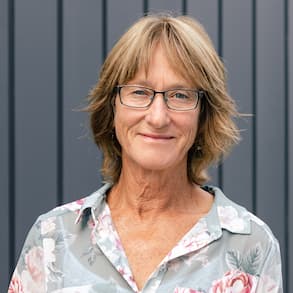
For his partner of 25 years, Rosie Ross, it has also been a positive process through conversations with the professionals to be sure it was the right choice for Brian and arranging the details for his final hour.
The End of Life Choice Act 2019 is the law that makes assisted dying legal in New Zealand and it has been a health service since November 2021 and now run by Te Whatu Ora – Health New Zealand. It involves health professionals at each step of the process who assess and manage someone who has a terminal illness with less than six months to live and want to end their life by choice rather than the illness determining their final weeks or months.
Between November 2021 and the end of June this year there had been 482 assisted deaths, where people sought the Assisted Dying Service to end their life.
Brian and Rosie first talked about assisted dying two years ago because they knew what lay ahead as his health declined. In the past few months his blood transfusions were every four weeks and no longer giving him respite.
He was getting injections in his eyes every four weeks and he had polymyalgia. Alongside all that, he had heart disease that had been the cause of a major heart attack 20 years ago after he hauled a kayak across the Monaco mudflats when the tide went out.
Brian’s body was deteriorating, and he could “feel the walls closing in”. “I thought, this is it. I’ve had enough.”
They felt it was time to revisit assisted dying. People who make enquiries about assisted dying are usually pressed for time, and consequently, the service acts swiftly.
Within 48 hours, Brian and Rosie had seen a specialist. Within a week they had seen a second doctor - a requirement of assessing the person who wants to end their life. Then it was just a matter of choosing a time and place to die and how the medicine would be administered.
Many people choose to die at home, though they can choose any location. Brian and Rosie chose a facility on a hill away from the lifestyle village where they lived.
The Richmond couple say the response from people around them has been generally positive, though some were also worried about their decision. Rosie says visitors often did not realise how sick Brian was when they see him sitting in a chair talking.
But getting through the day was very challenging for him and it was going to get much worse. For Rosie, it has been a confronting and emotional few weeks, but she says it was comforting to walk Brian’s final journey with him, knowing he left on his own terms.
Brian said he felt no emotions about his final day looming. He was mystified more than anything about the fact he would not wake up the next morning.
His life took him from sailing as a boy in the south of England to the other side of the world where he set up New Zealand’s first guide dog school. He went on to become a social worker for the blind in Nelson Tasman and then a supervisor for guide-dog puppy walkers in the region.
Then finally, on Thursday, he called it an end.
