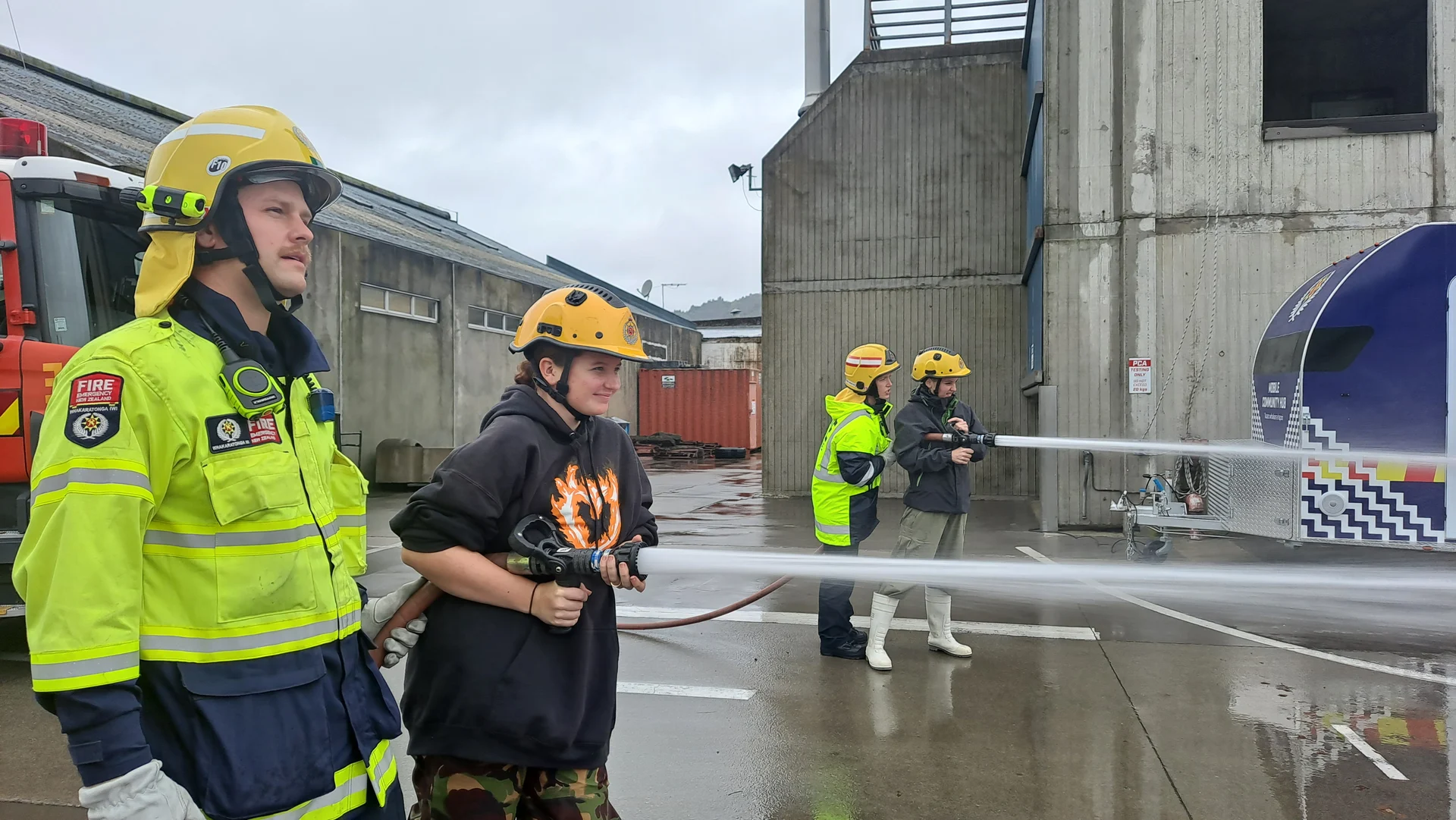
Eighteen secondary school students from all over the Top of the South recently came together for a 16-day course of practical skills and knowledge to be able to contribute to emergency situations.
Uniformed Services and Civil Defence Emergency Response is one of the few programmes in the country that gives students an idea of what is needed to work in the highly-specialised emergency services industry.
Students involved are able to experience simulated emergency exercises and gain essential skills important in emergency situations.
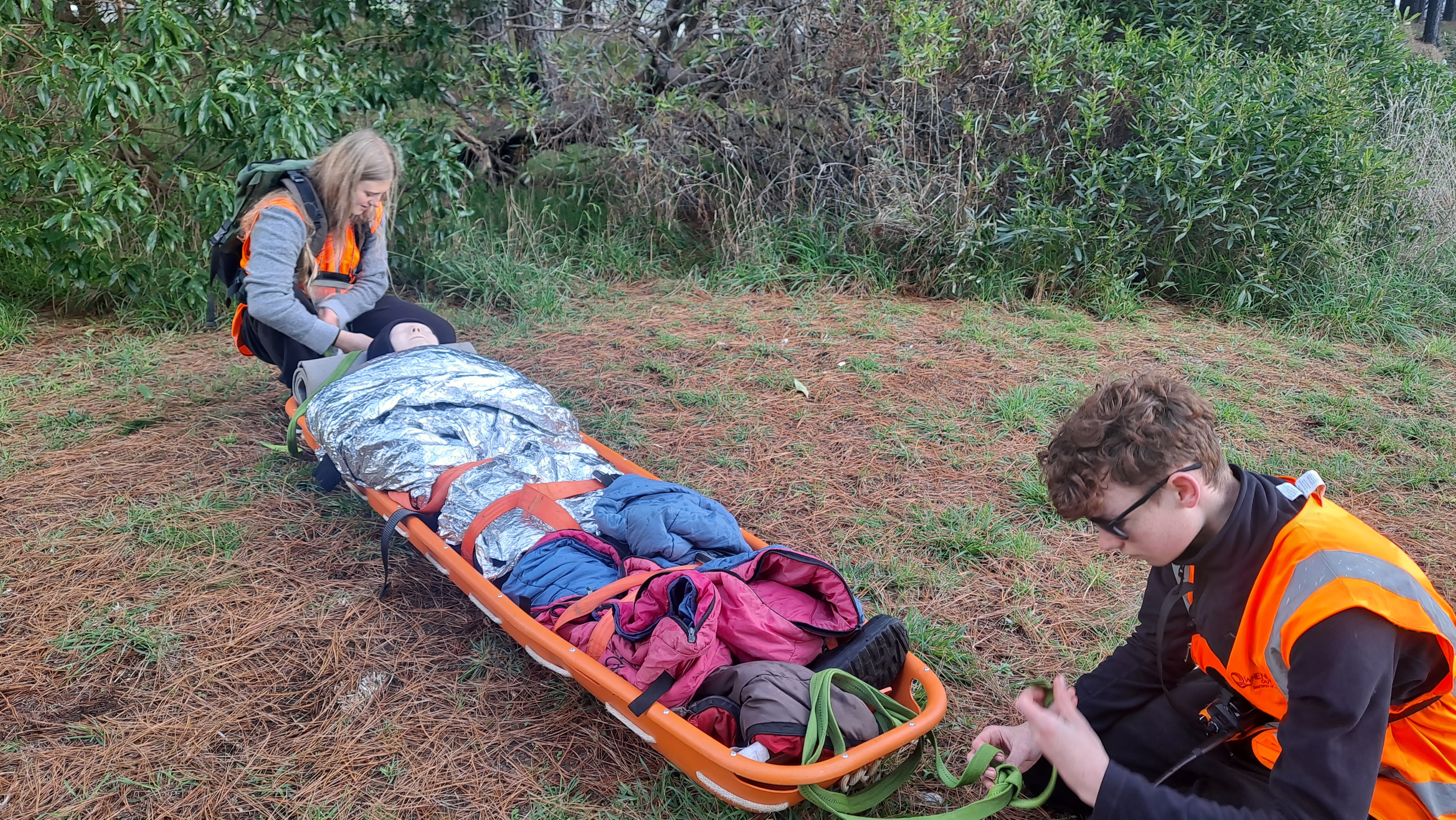
Bush survival, search and rescue, maritime distress signalling and first aid are just some of the skills the course teaches.
Year 13 student Cameron Hatton says she “loves all things emergencies”.
“I’ve wanted to be a paramedic since I was eight years old, so this is a perfect fit for me to work towards working in the emergency services.”
Cameron adds that her favourite part of the course has been a three-day trip to Farewell Spit where the group undertook a beach clean-up and gained hands-on experience around field station maintenance.
“It can be a bit nerve-wracking at the start as you are in a whole new place with people you don’t know, but everyone makes you feel included and you soon get comfortable,” student Piripi Higgott explains.
Last year Piripi completed the Uniformed Services course. This year, he has extended on that and also completed the Civil Defence Emergency Response course.
“I enjoyed the search and rescue practical side, locating patients and assessing their situation and helping,” he says.
The course is delivered by Whenua-iti Outdoors via the Top of the South Trades Academy, Te Pūkenga, and with generous help from regional emergency departments/organisations.
“It’s always encouraging to see students develop crucial personal and social skills that are transferable to any chosen career pathway,” says Bree Arnott from Whenua-iti Outdoors.
“Students learn skills to cope with challenge and change, from this their belief in self and confidence increases which is amazing to see.”
Completion of the course gains each student credits towards National Certificate of Education Achievement (NCEA) and both paid and voluntary pathways are explored and give students a wide scope for future career options.
