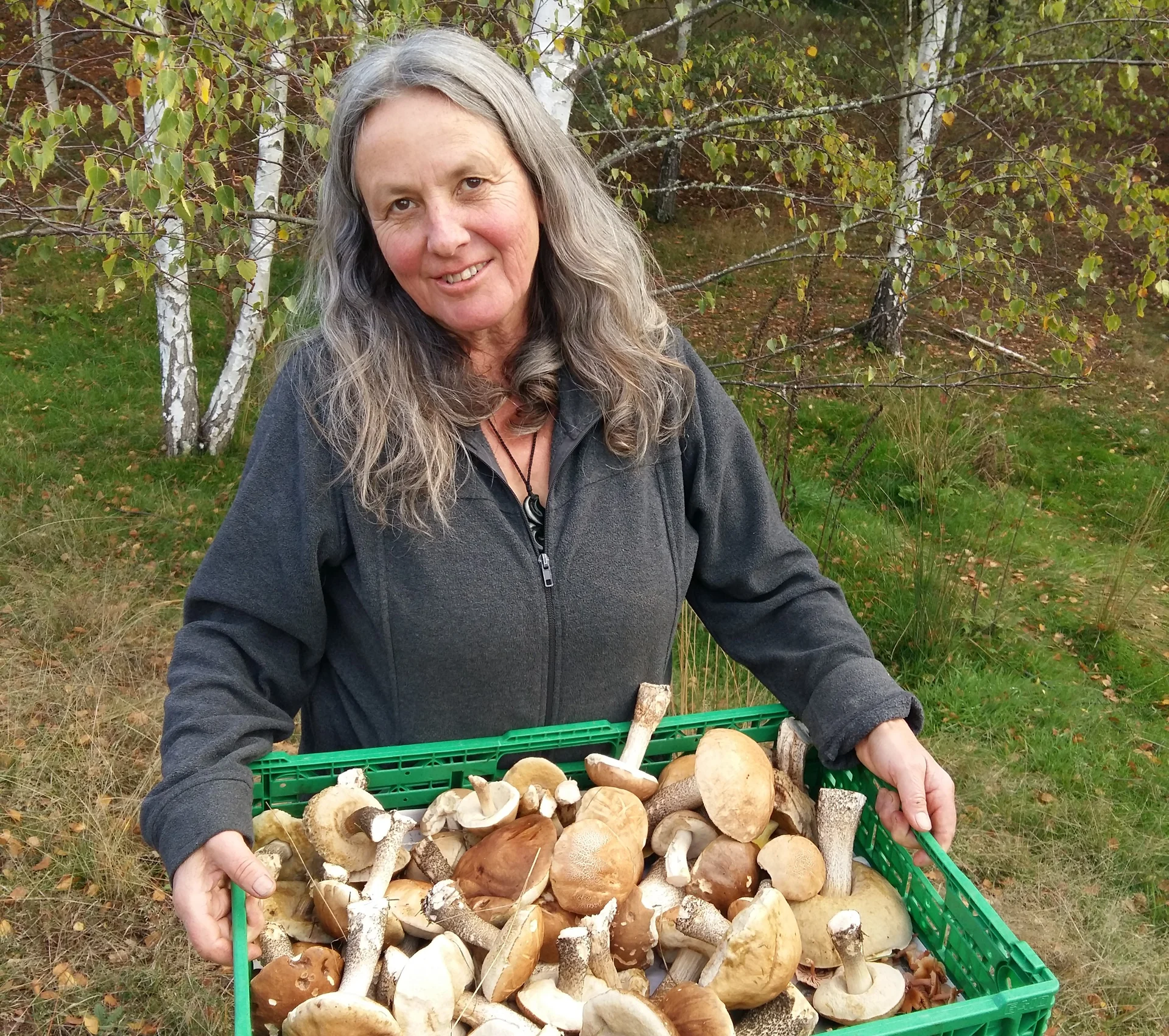
Hannes and Theres Krummenacher never purchased their 53 hectares down Neudorf Rd in the Moutere with the intentions of farming wild mushrooms.
Instead, the couple - an electrician and midwife - made the big move from Switzerland with their young family for a different lifestyle.
“We had travelled all over New Zealand and some of our kids had been born here while travelling, so we felt a strong connection with this beautiful country,” says Theres.
“One major draw card was the reduced population. Switzerland is seven times smaller than New Zealand yet its population is a whopping 8.57 million.”
The couple already had a love for trees, so when they moved to the farm, previously a deer farm, they automatically planted a range of productive trees such as chestnuts, olives and fruits.
They also enjoyed eating the delicious wild mushrooms growing around the existing old man pine trees.
“It was around 2001, during the truffle boom, when Crop and Food encouraged us to get into truffles as well as two mushroom types, porcini (Boletus edulis) and saffron milk caps (Lactarius deliciosus),” Hanes explains.
“The porcini never came to anything, yet the saffron milk caps took off and we became the first commercial growers of the saffron milk cap in New Zealand, and that was the start.”
Saffron milk caps are loved for the colour they bring to a meal. Its firm texture and fruity, faintly peppery flavour has helped make it a popular mushroom. It gets its name from the bright orange milk that bleeds from the mushrooms when they are cut.
Over years of planting, they have built up to have a healthy 6,500 trees covering 20 hectares of the farm and extended the range of mycorrhizal mushrooms to include birch bolete, larch bolete, slippery Jack, pine bolete, and painted suillus.
Mycorrhizal mushrooms are grown naturally in a symbiotic relationship with different tree specimens. It’s a beneficial association for both the fungus and the tree. The fungi use their underground mycelial network to interact with the roots of the trees and, when they are ready, they pop up along the tree root system. Mycorrhizal mushrooms do not live or reproduce in compost of any kind.
“Foraging is a tradition in Switzerland and something everyone does regularly. From this, we had a love of trees and harvesting wild foods, so wild mushrooms really suited us,” Theres says.
Mushrooms are harvested over a few months during autumn. They have quite a short season so the harvested mushrooms are dehydrated or pickled, which extends the period of time they can be consumed and enjoyed.
“The last few seasons have really changed with all the wet weather we have received.
“This autumn, our harvest was down an alarming 70 per cent. It would be the worst harvest we have had in fifteen years,” explains Hannes.
“It’s very hard to gauge how the season is going to go, as unlike an apple tree, where you can see the fruit, we can’t see the mushrooms until they come up.”
The farm has a vibrant social life and opens its gates to many visitors and groups who enjoy learning about the symbiotic relationship involved with mycorrhizal mushrooms.
Local retirement homes visit regularly, as do garden clubs and tree association groups.
“We have a dedicated room with information and an educational presentation. Some of the groups go on a tour of the farm and look at the diversity in our tree range, others relax in the sun and just enjoy being out in the county,” says Hannes.
Some people know their mushrooms as ‘umami’ which means ‘essence of deliciousness’ in Japanese, however the couple both say delicious mushrooms aren’t the only reason they enjoy their spot down Neudorf Rd.
“We both enjoy being outdoors and I like being my own boss,” laughs Theres.
Hannes, who retired from being an electrician some years ago, agrees that working in the outdoors, producing a natural food full of health benefits and sharing the journey with others, is a rewarding and satisfying lifestyle.
