
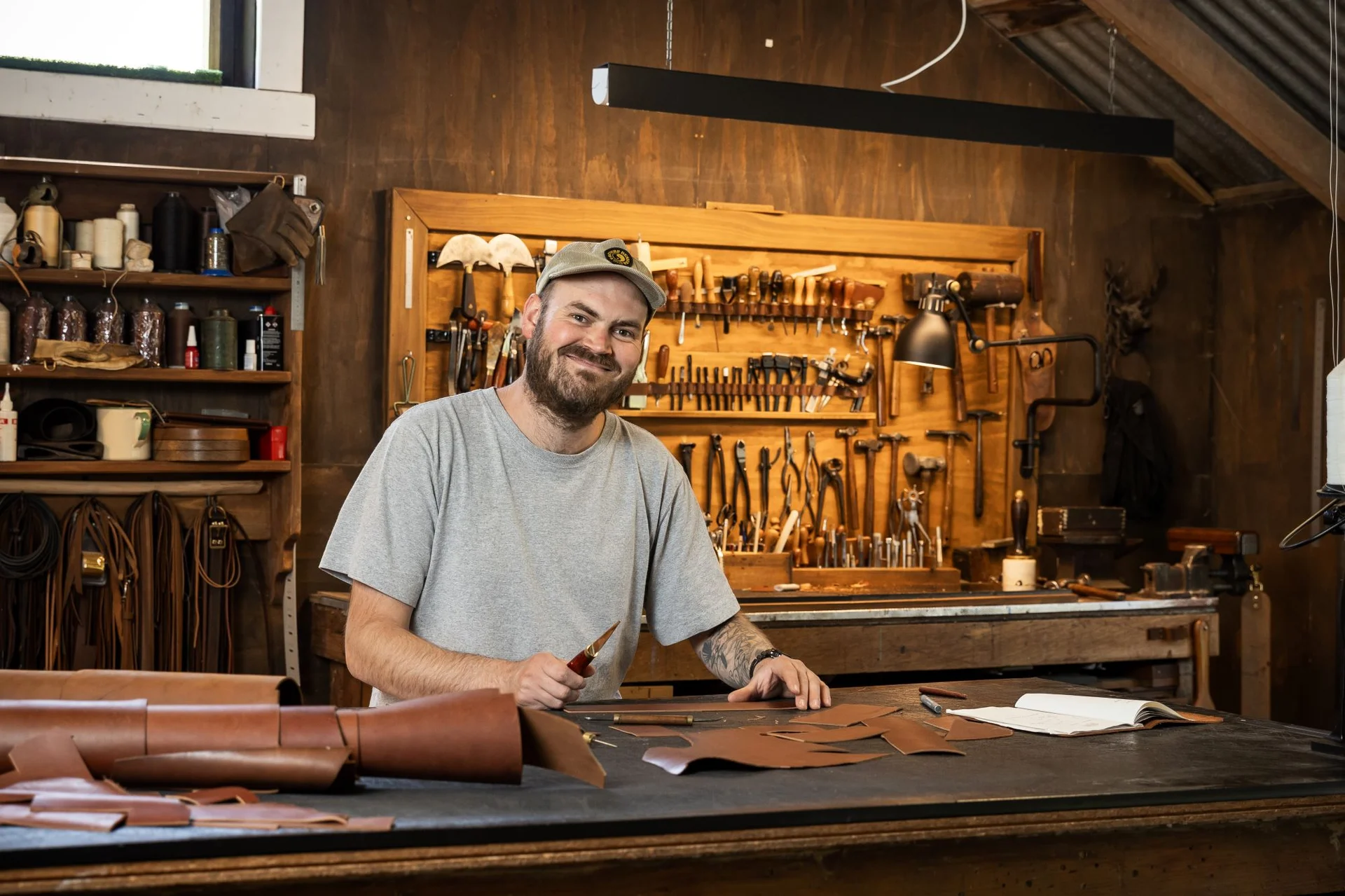
Xavier Birch has an eye for traditional pursuits as Alistair Hughes discovers.
Local craftsman Xavier Birch might have been born in the wrong century, but is very happy to bring centuries old leather-working techniques and crafts back to the future. Ever a traditionalist, long before becoming director of his leather-ware company, Xavier Napoleon, his interest was initially fired by an equally ancient craft: falconry.
“Growing up in Christchurch, I remember looking for nests in trees on the way to school. I was always fascinated by birds, especially birds of prey.”
This budding passion saw Xavier move to Sydney after finishing school, to work at Taronga Zoo, working with the free flight bird show. This proved to be a valuable stepping-stone, bringing him into contact with people who furthered Xavier’s fledgling career. “My boss at the zoo got me a job in Adelaide, where we flew a team of peregrine falcons as pest control. We herded 20,000 little corella parrots through the sky with the falcons, keeping them away from airforce bases and botanical gardens.”
This led to a position in England, where Xavier had the opportunity to learn from Nick Fox, one of the world’s most renowned Falconers. “I did an internship and learned how to breed falcons.”
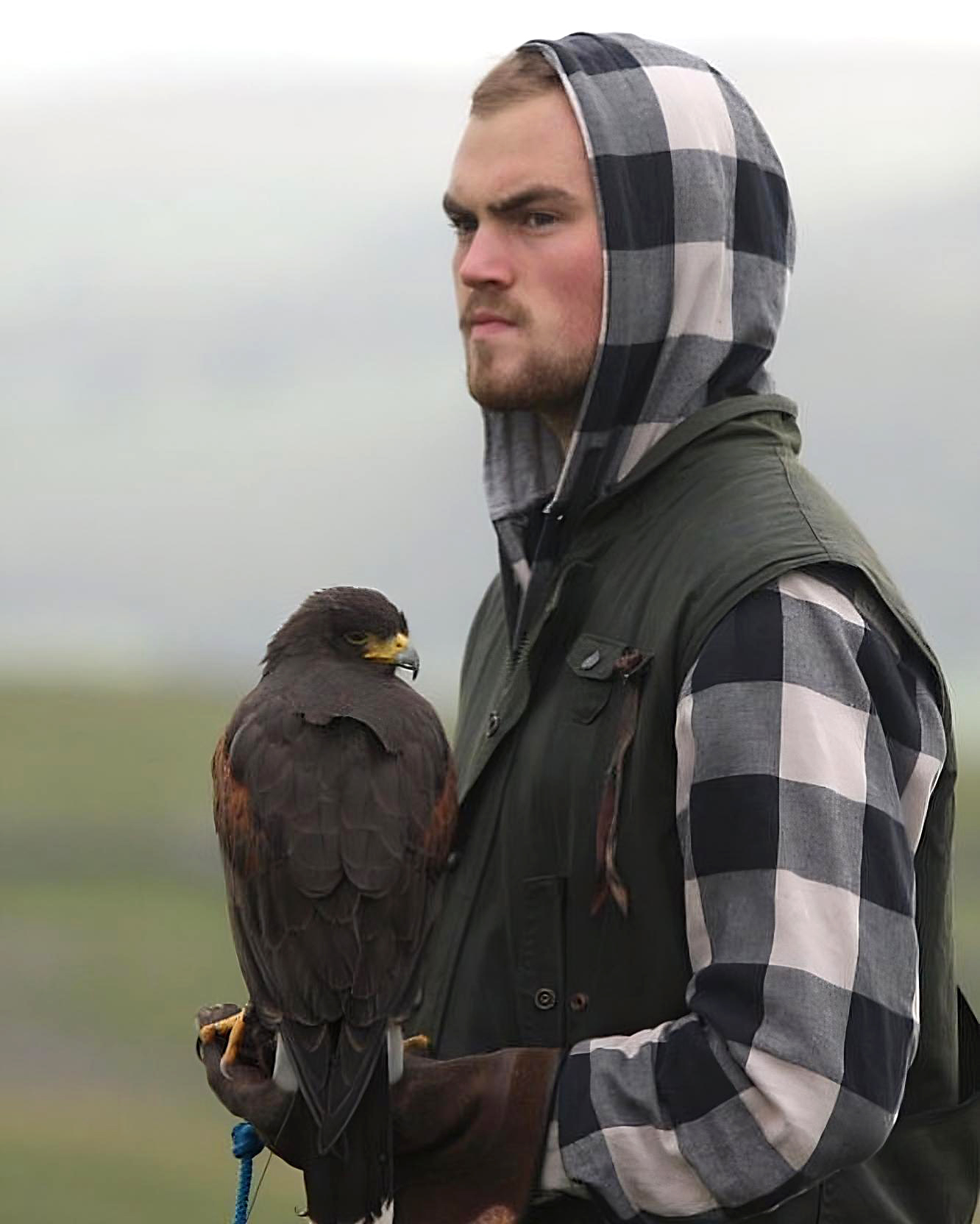
And this is where the leatherwork began. Traditional falconry requires leather hoods, jesses (tethers) and anklets for the birds, and gloves for their trainer.
“It’s called ‘falconry furniture,'” explains Xavier. “A lot of it was pre-made overseas, but if you wanted to learn there was enough information available. So a couple of us began dabbling in making our own leather goods. I was fascinated with the craft, especially the odd-looking tools that really drew my attention.”
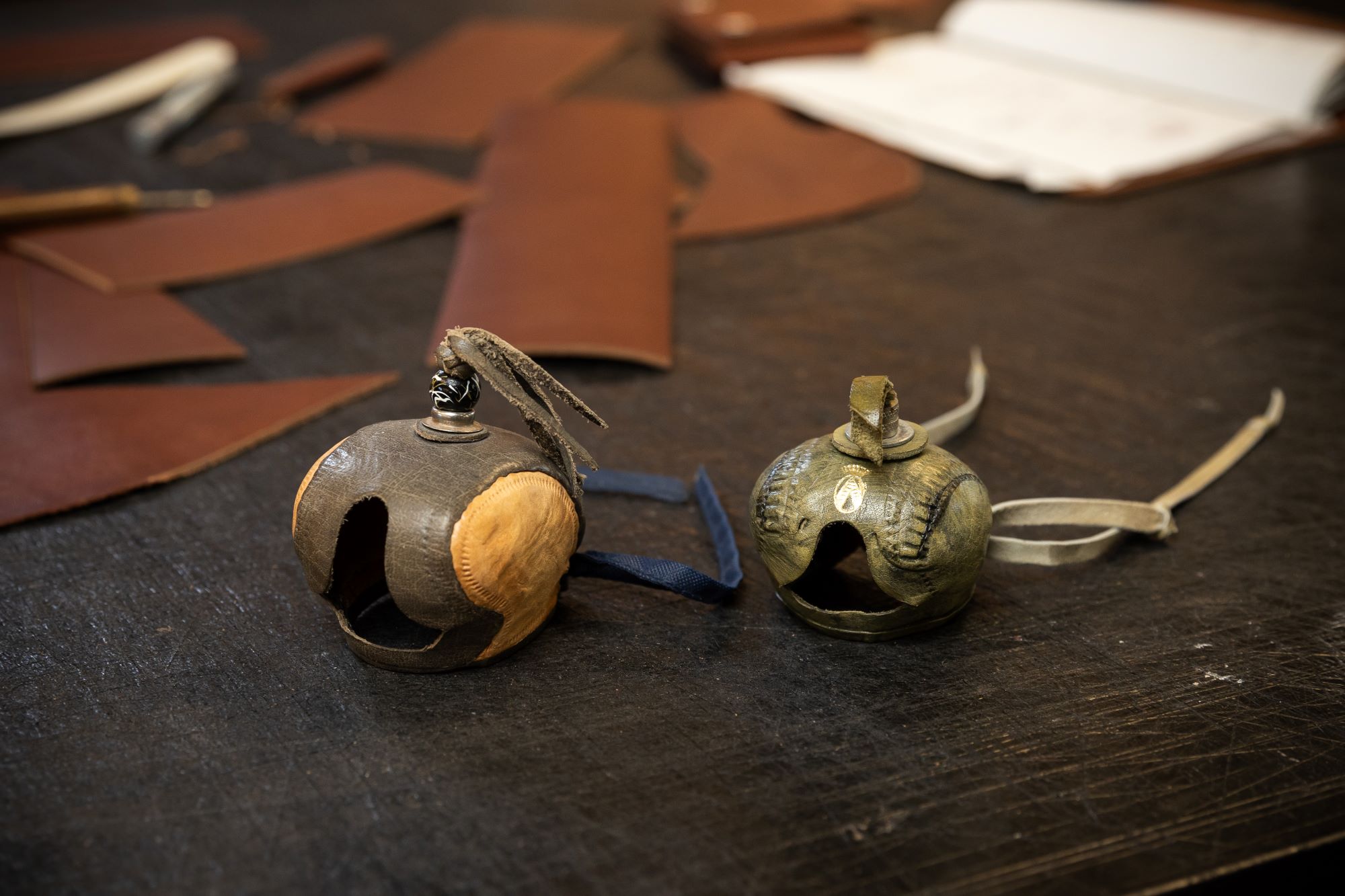
Returning to New Zealand, Xavier applied his new skills to a project called Falcons for Grapes for his mentor Nick Fox, and later managing a related trust. This offered the dual benefits of conserving native falcons by increasing their habitat and sources of prey, while providing natural control of pest birds in Marlborough vineyards.
Eventually settling in Nelson and starting a family, Xavier put his free-winging falconry days behind him, but the nascent interest in leatherwork remained.
“I initially took it up as a hobby. Instead of watching TV, I read a lot of books. I would sit at a desk and I pretty much taught myself how to do it.”
The archaic looking tools which intrigued him so much were gradually amassed from antique stores and on-line dealers and his skill and passion grew.
“You can buy them new but the quality of the old tools is just so much better than the modern ones. When I started becoming more known for my leather work people would contact me offering original tools owned by their grandparents, which is quite cool.”
As with all things Xavier's journey to mastering the craft was to follow a traditional path, and that involves learning personally from experts. And fortunately, he found generous and knowledgeable local teachers.
“A massive part of my learning came from Scott and Don Harris at Topz Shoe Repairs,” says Xavier. “They were good friends and just by my watching, and them finding original sewing machines for me, they nurtured my passion and really helped me.”
Gradually his own confidence and skill grew, and the transition to establishing his own brand happened organically.
“I made a wallet for a friend and then his friend saw it and wanted one, and then my wife's friend wanted a wallet… Then I began to get excited and made a bag, and my range of products began to naturally grow.”
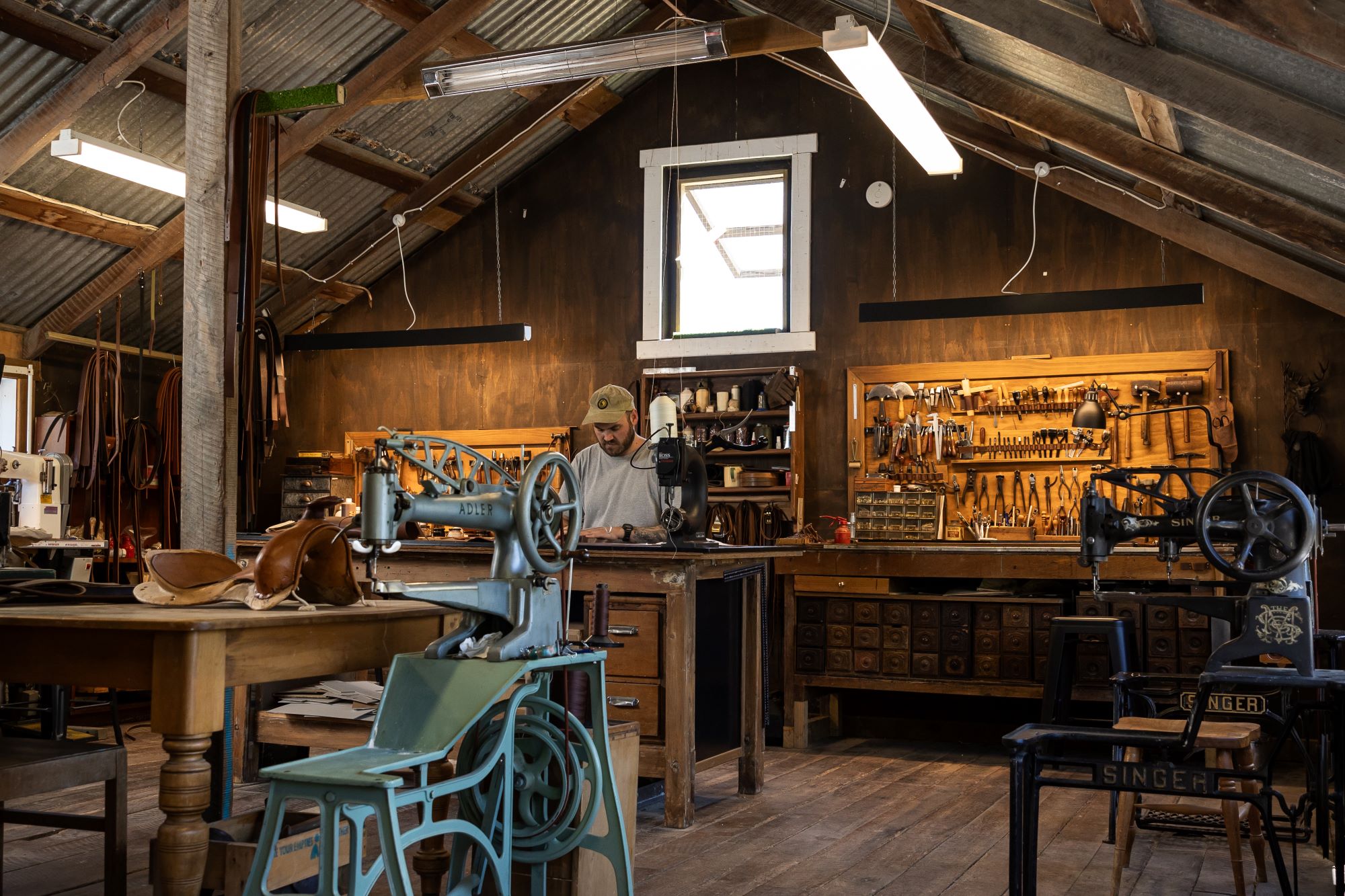
When it eventually became a full-time job, Xavier soon realised that some infrastructure needed to be put in place. “I started in the kitchen, with my little wooden box of leather tools and then moved my own work-desk and then into a garage. Finally, we built a proper little workshop.”
An unforeseen flood could have been disastrous for most business ventures just starting out, but Xavier’s dedication to tradition saved him.
“Thankfully my sewing machines are 120 years old and pedal driven — only one more recent model was actually electric. So I’m quite lucky in that I can pretty much run the workshop without power.”
One piece of equipment which definitely does require power is his branding iron which stamps Xavier’s company name and crest, Xavier Napoleon, on each product. This raises the question of where the ‘Napolean’ in the name comes from, with the Xavier part being self-evident.
“It’s my second name, which is kind of funny as I have no French blood in my family,” he laughs.
Apparently his father was so inspired by a biography about Napoleon Bonaparte that brought the French Emperor’s name into the family. It is undeniably perfect for a collection of quality leather goods, however.
“The names are quite fitting," Xavier agrees. “I designed all the branding myself and I wanted it to have a regal, aged look as if it had been around for hundreds of years. It matches the intended look of the collection and is also very traditional, timeless and classic.”
A glance at the Xavier Napoleon website quickly confirms this, but what does Xavier most hope a customer will appreciate about his craftsmanship?
“Longevity, down to the last detail. The thread I use is military grade, UV, salt water, mildew and rot resistant. I don't use any nylon fabrics and the hardware is all solid brass and stainless steel. In a wallet you might say this is over-engineered, but my products are made to last.”
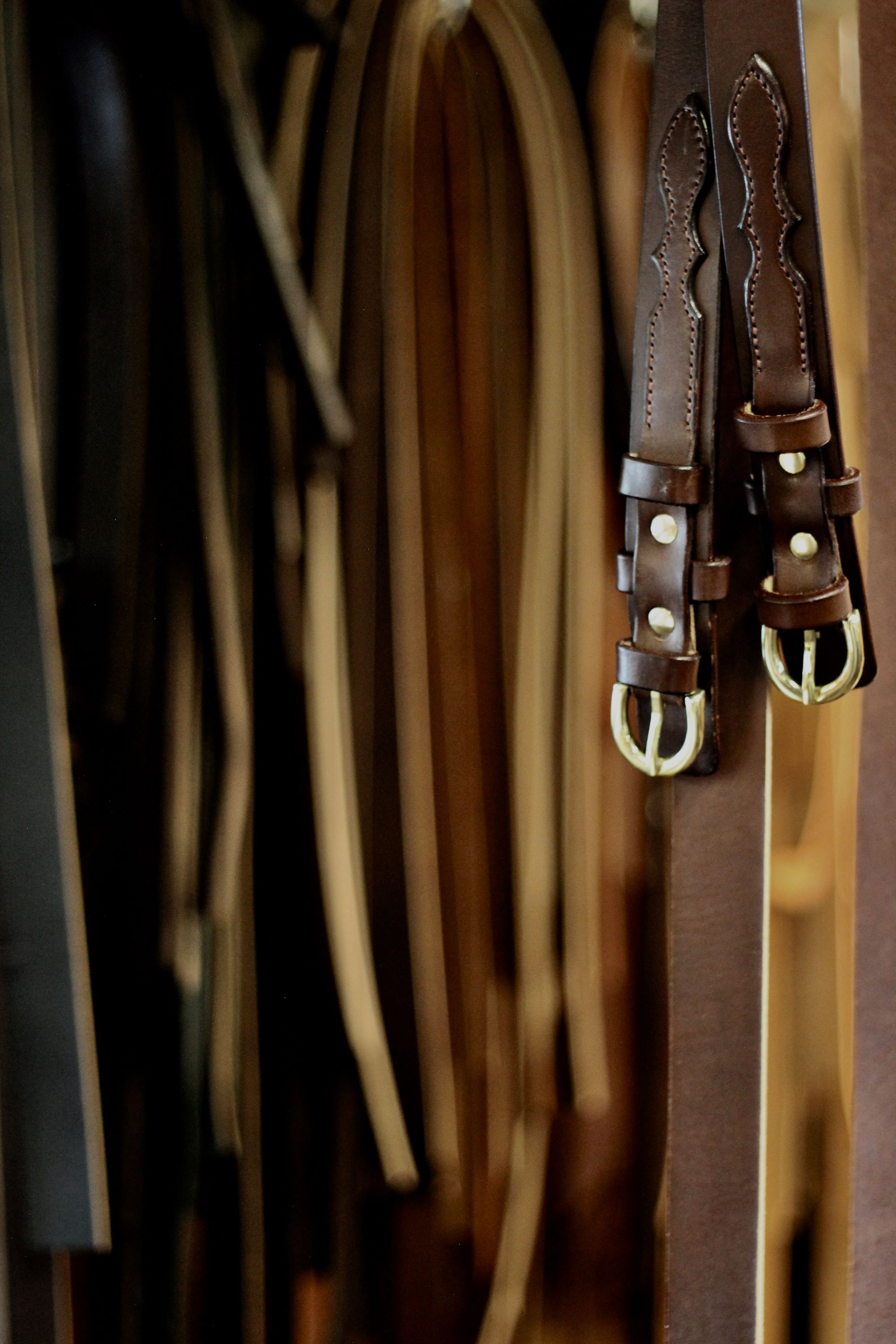
Such dedication is evident in the finished products, but doesn’t always come easy.
“With fastidious, meticulous work where you’ve got to really pay attention. If you make a mistake, halfway through after three hours, you’ve got to go back and start again. So you try to avoid that happening.”
This level of focus can have it’s disadvantages however, as Xavier has found his disciplined approach doesn’t always sync with the attention deficit requirements of twenty-first century marketing. “I'm very old-school, but a lot of business is done on-line, with a lot of social media. I need to be completely present, because leatherwork to me is quite sacred. So I struggle to interrupt that and stop for photographs and videos.”
Regardless of this ‘culture clash,' the success of Xavier Napoleon demonstrates that there will always be a market for quality and tradition.
In the meantime, Xavier’s long-dormant falconry skills unexpectedly re-manifested when he adopted a little owl chick named Moseley, whose nest had been abandoned in a felled tree.
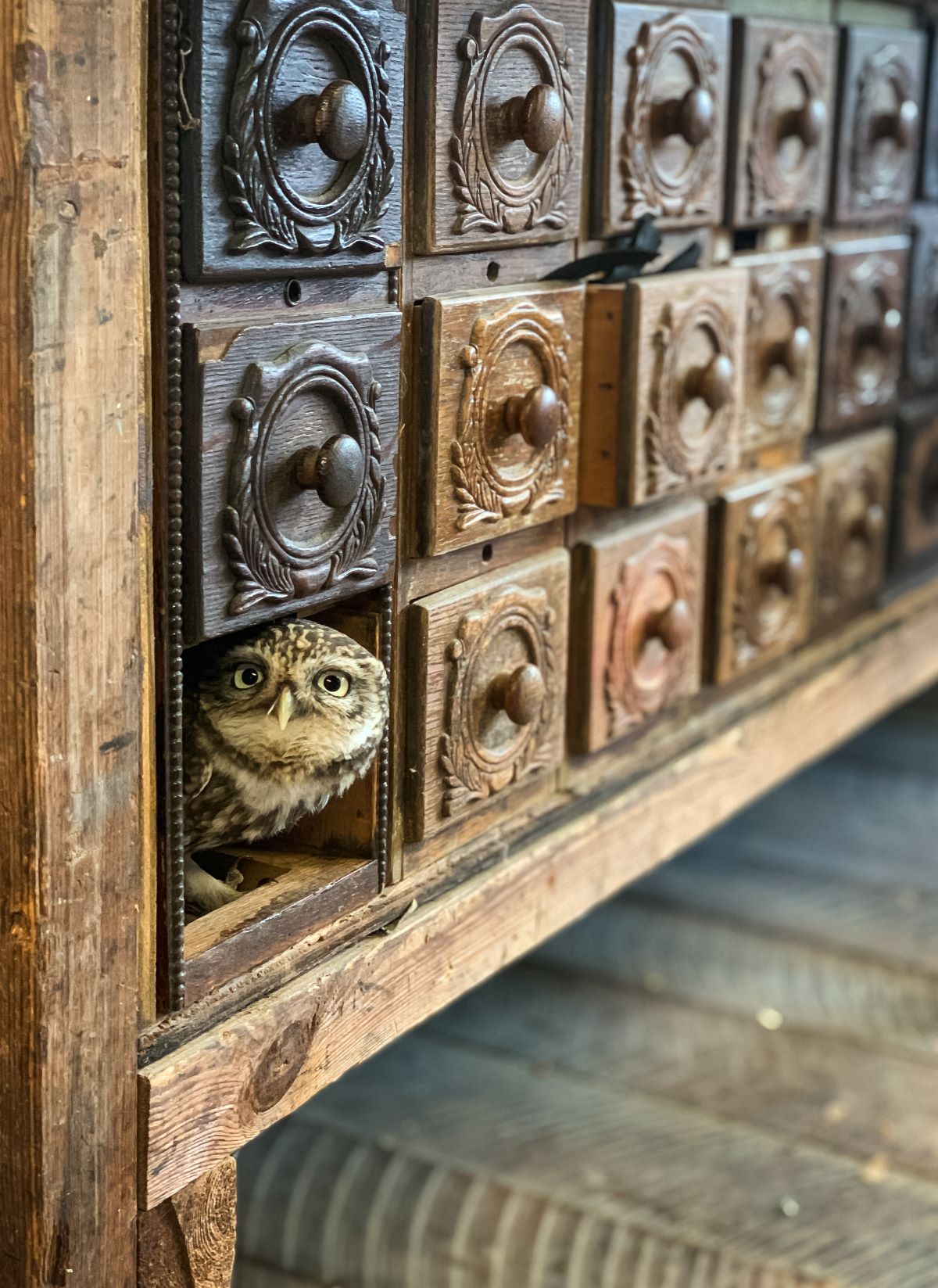
“I trained and rehabilitated him using the traditional falconry techniques, flying him untethered every morning for about 10 to 20 minutes and making sure he didn’t get too tame around people.”
Xavier admits to not being initially keen because he understood better than most how much work would be involved. But now that the time is approaching to release Moseley back into the wild does he feel differently?
“Absolutely, he’s literally been with me every day, sitting up in the rafters of the workshop. He's a cool little dude, and the kids will miss him.”
It seems a fledgling owl and lovers of fine leather goods can all be grateful for a local craftsman who was born out of time.
