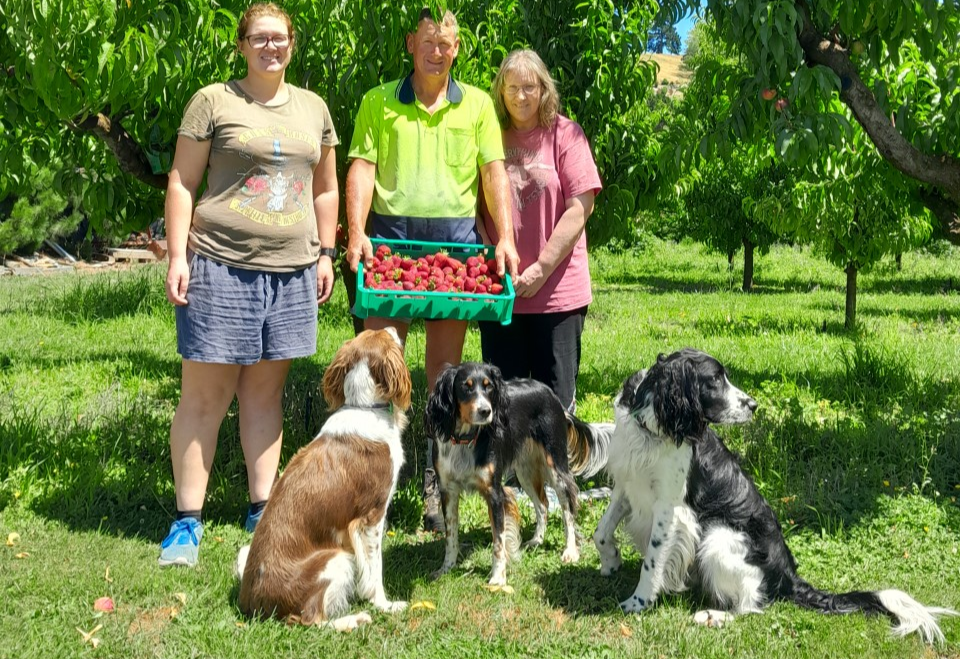
The Lowe family have been growing fruit at their Waimea West orchard, in Brightwater, since 1935 and Andrew and Sue Lowe, alongside their daughter
Rachel, say orchardists’ challenges have certainly changed over the years.
Andrew Lowe is a third-generation grower, born and raised on the orchard which has expanded to a total of 20 hectares over time. They still have some heritage
apple varieties such as Cox Orange and Golden Delicious which have, in the past, been family favourites.
“The demand for heritage apples has started diminishing. It has been strong and steady, but just the past few years you can tell it’s changing,” says Andrew. A variety of fruits, some from the original planting, such as peaches, nectarines, plums, pears and strawberries are also grown alongside their apples. Change and challenge are something the Lowes have experienced a lot of, and they accept that adapting to change is critical to any sustainable business.
“The apple export has its challenges and, after consideration, we have decided to focus on offering more to our local markets,” Sue says. Another challenge the orchard has adapted to is dealing with the increased presence of the Carpophilus Beetle.
“The Carpophilus has been around for years but it’s only recently we have started to have problems with them,” Andrew says. The Carpophilus beetle, a worldwide pest to fruit growers, is a serious pest of ripening fruit. They have the potential
to cause heavy fruit losses when the beetles bore into ripening fruit, causing
breakdown and spreading brown rot.
The Lowes manage the pest with beetle trapping which involves using a mix of both pheromone and feeding attractants to attract both male and female beetles
into a funnel trap, where the beetle is exposed to an insecticide pest strip that
kills and contains it within the trap.
“Unfortunately, the frost doesn’t seem to make any difference to them,” Andrew
adds. Last season was particularly challenging with hard frosts delivered via cold blasts in later months of the year that caused major damage to stone fruit, such as Apricots and Nectarines. The wet weather which delivered constant rain from August to November resulted in many split or cracked, unsellable stone fruit heavily impacting the volumes of stone fruit available last season.
The cost-of-living crisis also impacted last season and isn’t likely to change this
season. “People’s spending habits have changed. People have been buying smaller
amounts of our fruit compared to last season,” Sue says. All orchardists, including
the Lowes, will be hoping for a kinder season this time round. The Lowes say that they are keen to investigate ways to minimise the effects of the unpredictable weather on their fruits, as they continue to implement simple and easy operating systems and enjoy the additional fruit coming from young trees planted four years ago.
