
When you think of the Congo, you don’t necessarily think “winter woollies”.
However, hundreds of tiny, knitted vests, hats and booties have made their way from Motueka to central Africa over the past few years, with the next consignment already topping 100 sets.
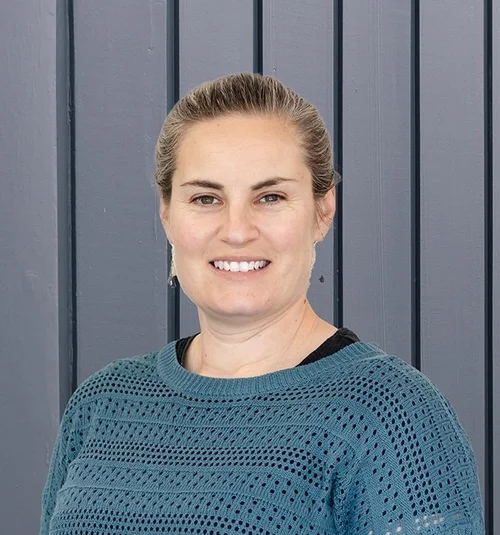
The knitting will make up at least half of the 70kg combined luggage allowance of CarolAnne Paynter-Curran, and her husband Geoffrey, when they take their sixth trip to the Democratic Republic of Congo (DRC) next May.
There they will spend three months doing missionary work through CDLA, which translates from French as ‘Centre for the Development of Indigenous Christian Leaders’.
They have travelled to the Congo most years since 2015, and the work they do varies, taking whatever form is needed on the ground.
Geoff’s focus is installing solar electricity in hospitals, and CarolAnne assists in any way that she can. Her background in neuro and clinical psychology comes in handy, but she has at times found herself volunteering in operating theatres which did not have lighting, refrigeration or diagnostic tools. Once, she witnessed an operation done by the light of a cell phone.
There is no such thing as a GP in Congo, says CarolAnne.
“When people come to the hospital, it’s an A&E situation.”
On one memorable occasion, she even found herself as an impromptu blood donor when a goitre operation took a turn for the worse.
“I remember thinking, ‘Well, you wouldn’t see this in New Zealand’.”
The DRC is the second-poorest nation on earth after Haiti. Disease and malnutrition are commonplace, and babies are often born severely underweight.
“Because they are malnourished, they just freeze.”
Most of the knitting was done by Motueka craft group Crafty Tarts – a name that doesn’t translate particularly well to the Congo’s official French language, CarolAnne laughs.
The “fish and chip” pattern of many of the vests is called thus because Third World babies are sometimes sent home wrapped only in newspaper.
CarolAnne takes with her a portable printer, so that she can take photographs of the mothers and their babies in the new outfits. She said that in the impoverished nation, people often did not own mirrors so the photographs were treasured, particularly in a place where infant mortality was still extremely high.
She told the Crafty Tarts at a gathering last week that the knitting meant so much to the Congolese, who were astonished that a group of women on the other side of the world would do this for them.
“This goes such a long way,” she said.
“It is such a joy to take it over there on your behalf.”
