Once considered a North Island problem, our changing climate has seen facial eczema, a damaging disorder for grazing livestock, become a widespread problem in the Top of the South affecting sheep, cattle, and deer.
Facial eczema (FE) is caused by spores of fungus growing in the base of pasture.
When moisture and temperature levels are high the fungus goes into overdrive and produces/releases toxic spores which are then consumed by the grazing livestock.
The consumed toxic spores attack the animal’s liver and bile duct; however, few signs are apparent until around 10-14 days after the intake of the toxins, then clinical signs of photosensitization and jaundice appear.
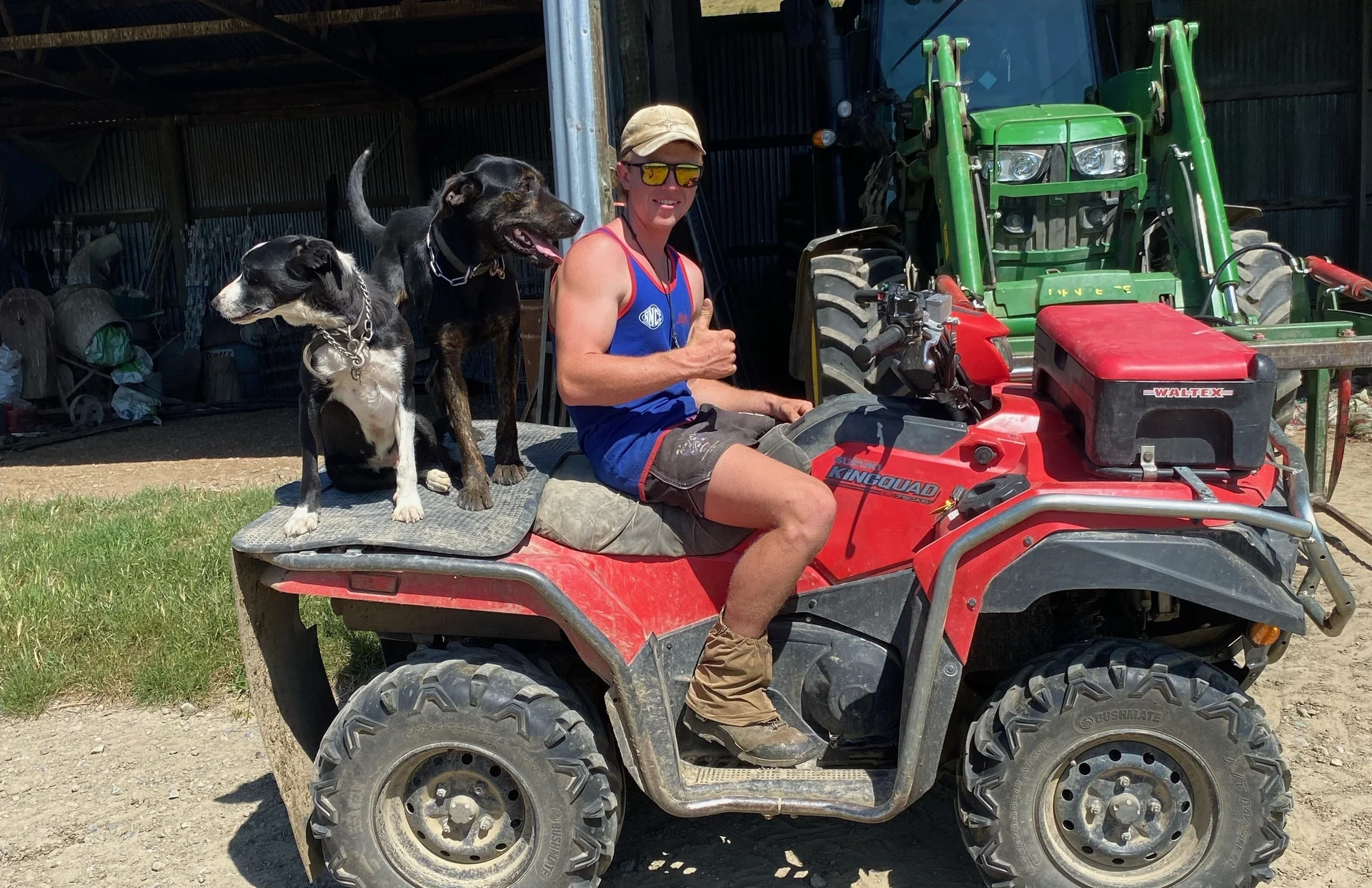
“Some animals show more signs than others so it can be hard to spot,” Wakefield shepherd Will Harley explains.
“Affected animals are more likely to shake their heads and seek shade trying to avoid the sunlight as well as get skin redness and irritation on their ears, eyelids face and lips, while other animals show no signs, which makes it tricky.”
Will explains that at a recent FE field day, he had an opportunity to witness the biopsy of a sheep showing physical signs of FE and a sheep that wasn’t showing any signs.
“The ewe that was showing no clinical signs of facial eczema was quite light but otherwise good, however, the biopsy showed her liver was worse off than the ewe that showed clinical signs such as a red peeling face, so that got me thinking about lighter ewes,” Will says.
There is no cure for FE, so prevention is the only way to protect animals.
Genetic selection of FE-tolerant rams is probably the simplest and best long-term solution.
Other preventative measures include monitoring pasture spore counts, dosing animals with zinc, and spraying pastures with a fungicide.
“The farm I am on has started to use some monitoring strategies, which is good,” Will explains.
“Things like knowing the risk periods, doing spore counts, and getting zinc into the stock all help.”
One of the biggest issues is the effect FE has on the reproductive performance of breeding stock.
The high-risk period in New Zealand is from January to May.
Animals who have FE need to be moved into dense shade or even inside where possible, (hay-barn, calf-rearing, and implement sheds) but make sure there is a good water supply and feed, and they are given plenty of water and rest as well as drenched to boost metabolic function.
Very sick animals may need a vitamin B12 supplement.
FE is a serious disease that can leave stock poorly and can be fatal.
There is plenty of helpful information about FE online from Beef and Lamb New Zealand, DairyNZ, as well as your local vets who can provide good support regarding pain relief and treatment.
