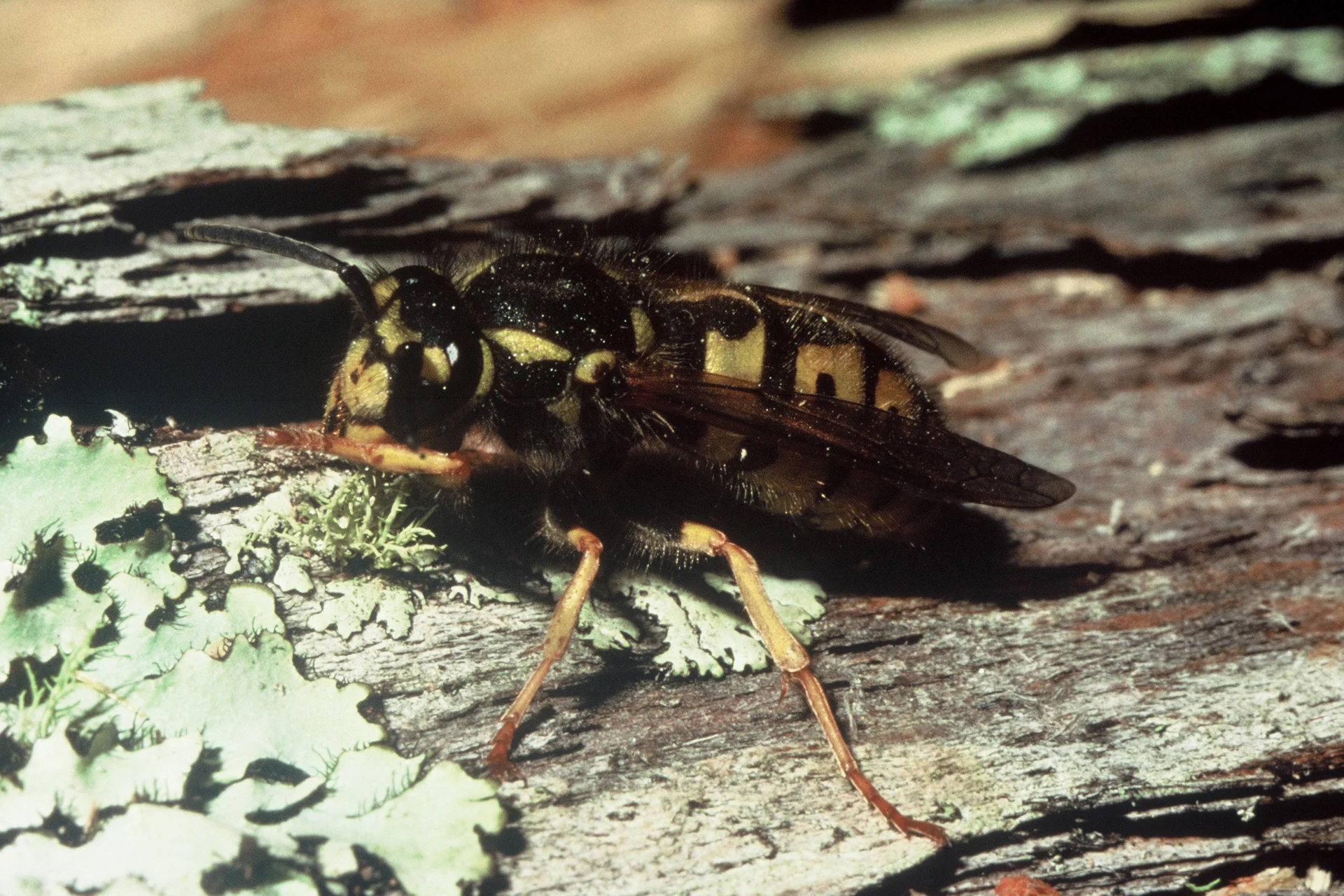
The forest around Nelson Lakes is humming with the unwelcome sound of wasps, but they are about to be treated to a feed of protein bait that will silence the pest.
Department of Conservation senior ranger for the area, Melissa Griffin, says timing is crucial to lay the bait because the wasps have to be ready to switch from their sugar diet of honeydew to protein as they begin to build up their nests.
Cooler temperatures and a dusting of snow on the peaks has delayed the wasps moving on to their protein diet and Melissa says the bait will probably be laid about 19 February if the weather is hot and dry. Tuna has been laid as a protein food to monitor the wasps’ move from honeydew, and when that happens teams will lay the bait of toxin mixed with protein. She says the wasps will then have a feeding frenzy for about three days before it all goes quiet.
“You notice within a couple of days that you can hear cicadas and you can’t hear wasps.
“One of the reasons we get rid of wasps is for biodiversity. Getting rid of them makes honeydew available to honey-eating birds and a lot of insects and lizards depend on it. So, it’s a very important food source for a healthy forest.”
Bait is laid around St Arnaud and along 40km of track on the Travers-Sabine Circuit, as well as campgrounds, some huts and walks around Murchison. Much of that is aimed at protecting people from the pests as well as biodiversity. DOC staff, along with Friends of Rotoiti and Mountainbike Trails Trust volunteers will lay the bait and Melissa says any remaining bait is retrieved a week later.
Wasp nests are being monitored before and after laying the bait to judge wasp numbers and the success of the bait.
Without the bait, Melissa says wasps would look for a protein source once they made their switch from honeydew and they would get it by attacking chicks in nests or forest creatures such as lizards. The bait targets wasps annually and reduces numbers rather than exterminates them, but she says research is being carried out to help decrease the population over more life stages, including biological control agents.
