
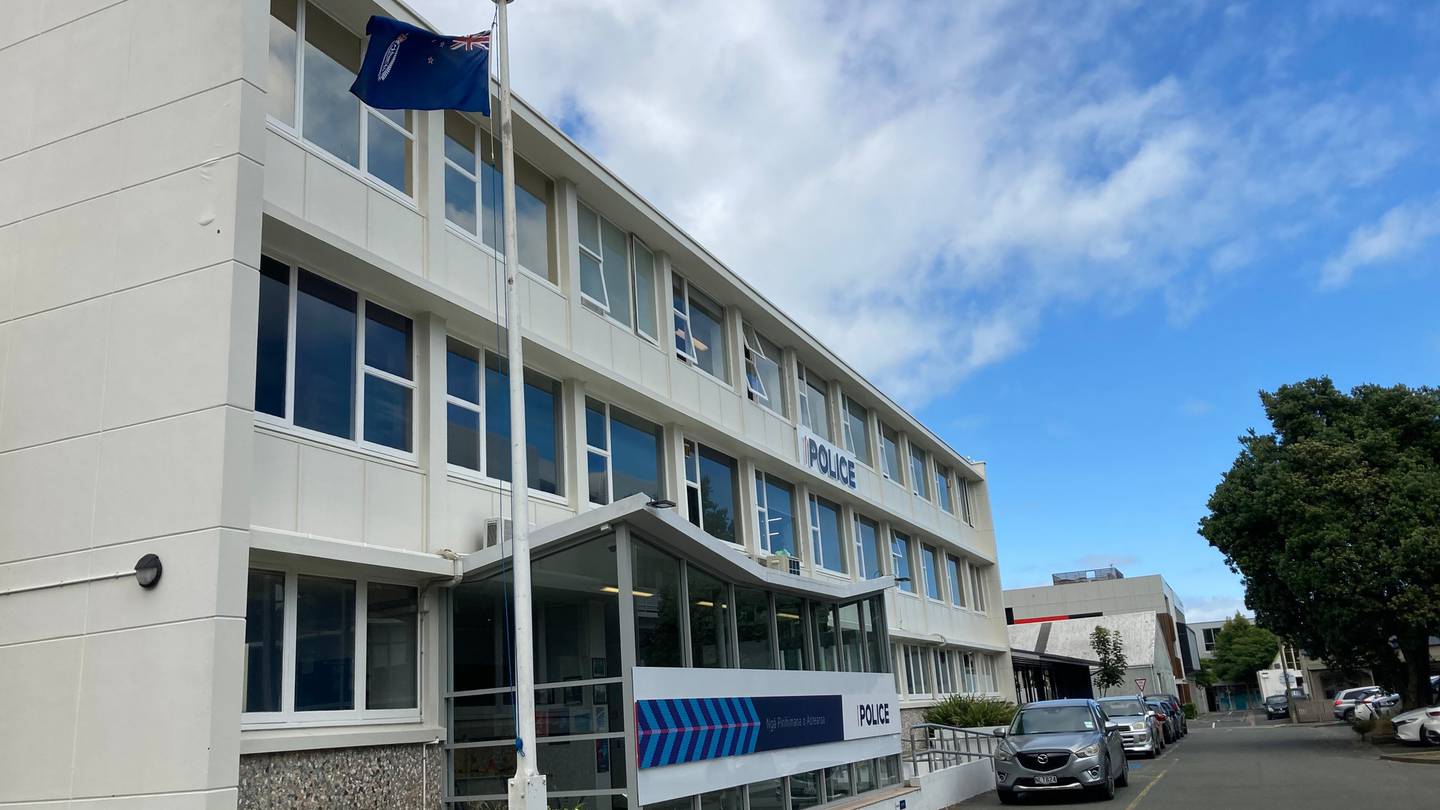
Almost two years after custody areas in the Nelson Central Police Station were closed because of harmfully high levels of mould, a fix has still not been funded.
Nelson’s station is one of many police buildings facing ongoing mould and leaking repairs, with the Police Association recently saying stations and custody units nationwide were suffering from “chronic underinvestment” for refurbishment or replacement, and the government has been called on to address the issues.
The association says Nelson Central Police Station’s custody area has been subject to weather-tightness issues for several years and members have said they could tell it’s raining due to “rivers of water” pouring down the cell walls.
Members say the area fails to provide confidence to its staff, and police acknowledge the 63-year-old station has also experienced mould growth.
A police spokesperson says, while a replacement Nelson station could not be expected soon, it has implemented a management strategy of testing, treating and cleaning within its current budget to address the station’s water ingress and associated mould growth.
They say, while staff have been unaffected by mould and leak repairs, more frequent transportation of detainees to separate short-term locations has occurred amid them, and during extreme weather events.
“The team is working hard to move forward within the budget that we do have,” the spokesperson says.
Police Minister Mark Mitchell has been briefed on the “significant financial challenges” in its property portfolio.
“A budget investment strategy has been proposed, which will include the most significant priority investments in early 2024 that will best enable service delivery,” the spokesperson says.
“Designs and planning are well advanced in support of the remediation of water tightness and heating solutions for Nelson Central Police Station which will include a full roof replacement and new heating and ventilation upgrades.
“These projects are part of our current prioritised programme and awaiting confirmation of funding.”
