
Nelson Magazine writer Amy Russ knows first-hand what it’s like to live with endometriosis, she opens up about her experience and speaks with two experts who are raising awareness as part of Endometriosis Awareness Month.
For me, growing up, talking about menstruation was never really part of the conversation. By observing the females around me I thought I had figured things out to some extent. I remember my sister would complain of headaches and feeling crampy and achy every month. I remember all of the feminine hygiene products in our bathroom cupboard were labelled ‘super’ and ‘heavy’ and, from my young observation, periods equaled; pain, hot water bottles, migraines and painkillers - not at all as advertised in the latest, brightly-coloured teen mags. As the years ticked by, sure enough, this was my personal experience with it as well. Chronic pain, PMS, IBS, headaches, aching muscles, bloating, and heavy bleeding, for me, this was the norm. It wasn’t until I was in my mid-twenties that I was shocked to find out that being in severe agony every month was most certainly NOT normal! As I got older, my symptoms became more severe and more crippling.
Many doctors' appointments ensued over the years, different medications, contraceptives, theories, and even surgery to remove a cyst – but nothing alleviated the pain. Fatigue finally set in, as depression, self-loathing and anxiety started to take its toll and take over my life. Until I stumbled across a book entitled ‘Endometriosis and Pelvic Pain’. This was a gamechanger. As I flicked through it, things made so much sense. I was ticking symptoms off in my head and it felt as though I was finally heard. I advocated to see a specialist and in 2010 I was diagnosed with severe endometriosis. It took 17 long years to finally have an answer for what was causing so much pain. In time I underwent another two surgeries to remove recurring endo, before finally a hysterectomy at age 39. My diagnosis was 14 years ago and even now, across the world, eight years is still the standard timespan of diagnostic delay - from first presentation of symptoms to a diagnosis.
Sarah Murphy has also battled with Endometriosis for most of her life. She suspected fairly early on that something was amiss, and receiving a diagnosis in later years was bittersweet, she says.
“It has been a long, often difficult journey. Soon after I started getting periods, I knew things weren’t quite right. I went to doctors in distress many times over the years and was put on different contraceptives, painkillers and antidepressants and sent on my way. I thought I was crazy, I thought I was weak.”
Eventually demanding a referral to a specialist, Sarah was diagnosed with Stage 4 endometriosis at 28 years old. The damage from her endo saw Sarah end up in Christchurch for extensive surgery including partial bowel removal.
“It was validation but also why did it take so long? My whole working life has been derailed as I have had to leave jobs due to endo-related absences. I’ve spent years dealing with chronic and persistent pain, fibromyalgia, chronic fatigue and anxiety. Endo has left a huge impact on me. My self-esteem and confidence were destroyed, and Endo was likely the reason I couldn’t have kids. I feel like I have been robbed.”
Sarah is now 42 and preparing for a hysterectomy. “I dealt with 12 years of consistent pain before my diagnosis. I felt rather helpless. I experienced dismissive attitudes and trivialisation - medical gaslighting - and I am really hoping that will change. Although things have improved since my time, I believe there is still urgent need for more education and awareness about this disease. I hear it can still take eight or more years for a diagnosis, during which so much damage can be done, not just physical. There are far too many women with similar experiences, so I hope we do better for future generation.”
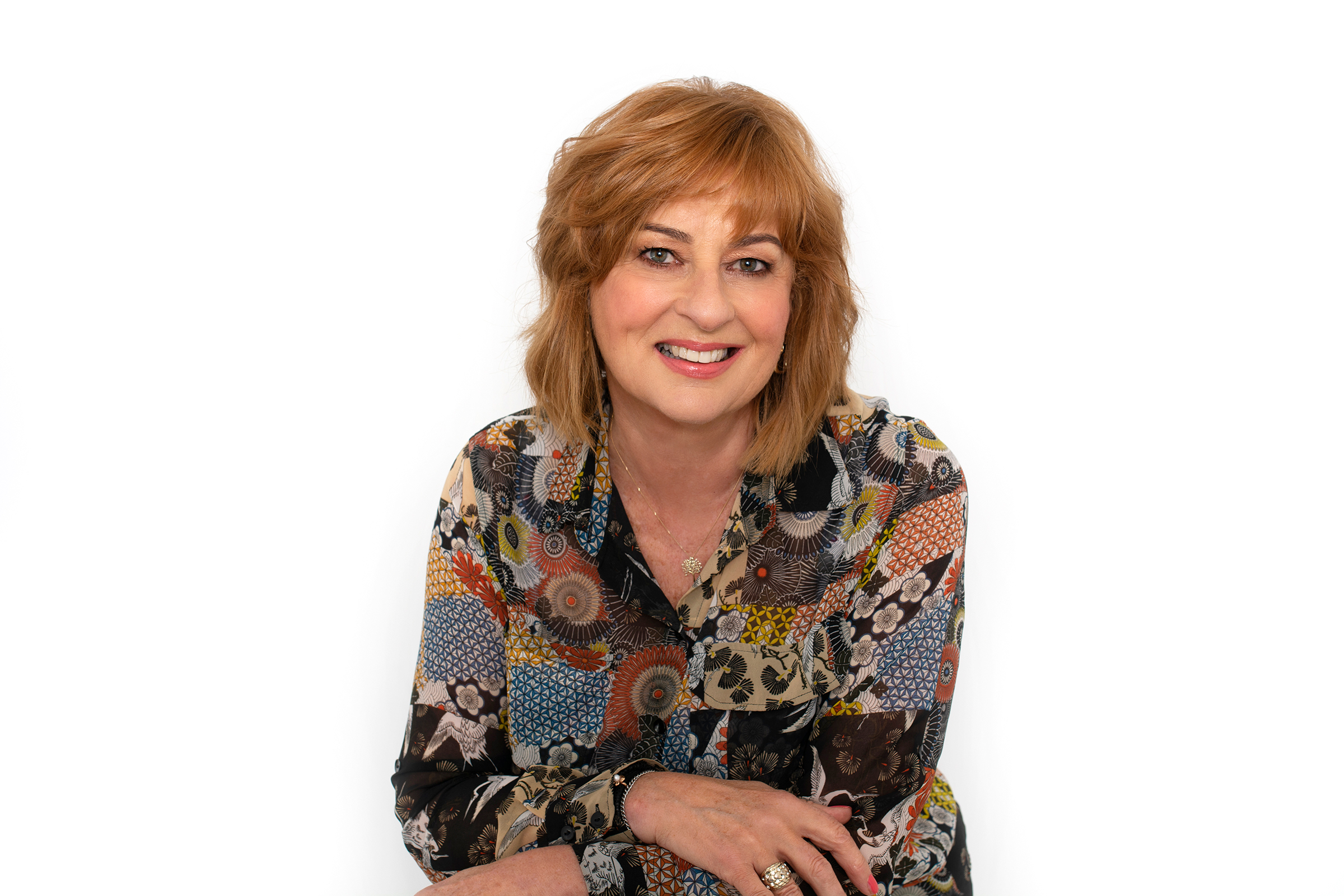
Deborah Bush was diagnosed with endometriosis in 1985 which was the catalyst that drove her interest in the disease. Since then, she has been instrumental in raising world-wide awareness of endometriosis and is one of the country’s leading experts on the disease. Deborah co-founded Endometriosis New Zealand (ENZ) and co-wrote the book ‘Endometriosis and Pelvic Pain’ with Australian gynaecologist Dr Susan Evans. She is the senior ambassador and former board member of the World Endometriosis Society (WES) and Principal of World Endometriosis Organisations (WEO), she is an inspirational leader in women’s health, a keynote speaker and has received many accolades for her work including the New Zealand Order of Merit (MNZM) and the QSM. Deborah developed innovative services and programmes for ENZ and has her own EPP clinics. She has worked tirelessly alongside medical professionals to raise awareness of the condition. She challenged government health policy and established the task force to develop the ‘Clinical Pathway for the Treatment and Management of Endometriosis in New Zealand’ (2020).
Deborah created the secondary school Menstrual Health and Endometriosis education (me®) Programme which was successfully piloted in 15 schools in 1997.
“I didn’t set out for it to be a world first but, as a teacher myself, I knew that education was key to young people having medically accurate, age-appropriate information which was delivered in a fun and interactive manner,” she says.
She acknowledged the keen participation of schools in the Nelson Tasman region for years following the pilot.
“We gathered general information from each session which made sure we were constantly meeting students’ needs and keeping up with advances in pedagogy and clinical developments.”
The programme, now called What about me®? was adapted and moved online in 2023 to maximise learning opportunities for adolescents and communities and is freely accessible from periodhealth.nz. Deborah also founded the World Endometriosis Organisation (WEO) at the World Congress in Vancouver in 2017.
“There are now 45 global organisations representing approximately 200 million people with endometriosis worldwide. It brings enormous fulfilment to know we are addressing endometriosis as a global health crisis.” Nearly forty years on, Deborah is still advocating for change and says despite all of this, we still don’t know what causes the disease.
“We are lacking a national action plan in New Zealand and desperately need investment in research, endometriosis centres of expertise, education and support. As a community, we need to understand that persistent pelvic pain and periods causing distressing symptoms are not normal.” She encourages people to be their own advocate and be part of their healthcare plan. “We need to recognise the symptoms early and intervene in a timely manner to stop the dreadful impact endometriosis can have on schooling, careers, relationships and for many, their fertility.”
Nowadays much more is known about the disease that affects people worldwide. Much research has been - and continues to be - undertaken. Myths are slowly being shattered and many women are publicly coming forward and telling their stories. But there is still more to be done! March is Endometriosis Awareness Month and the focus for the team at ENZ is on better educating the community about endometriosis symptoms, so New Zealanders can get diagnosed sooner. Chief executive of ENZ, Tanya Cooke, has been in the role since 2021 and says her drive to lead ENZ stemmed from her passion for women’s issues, youth, education and equality. “As we approach Endometriosis Awareness Month, it's crucial to recognise the significance of this period in raising awareness about a condition that affects an estimated 120,000 people in Aotearoa, New Zealand.
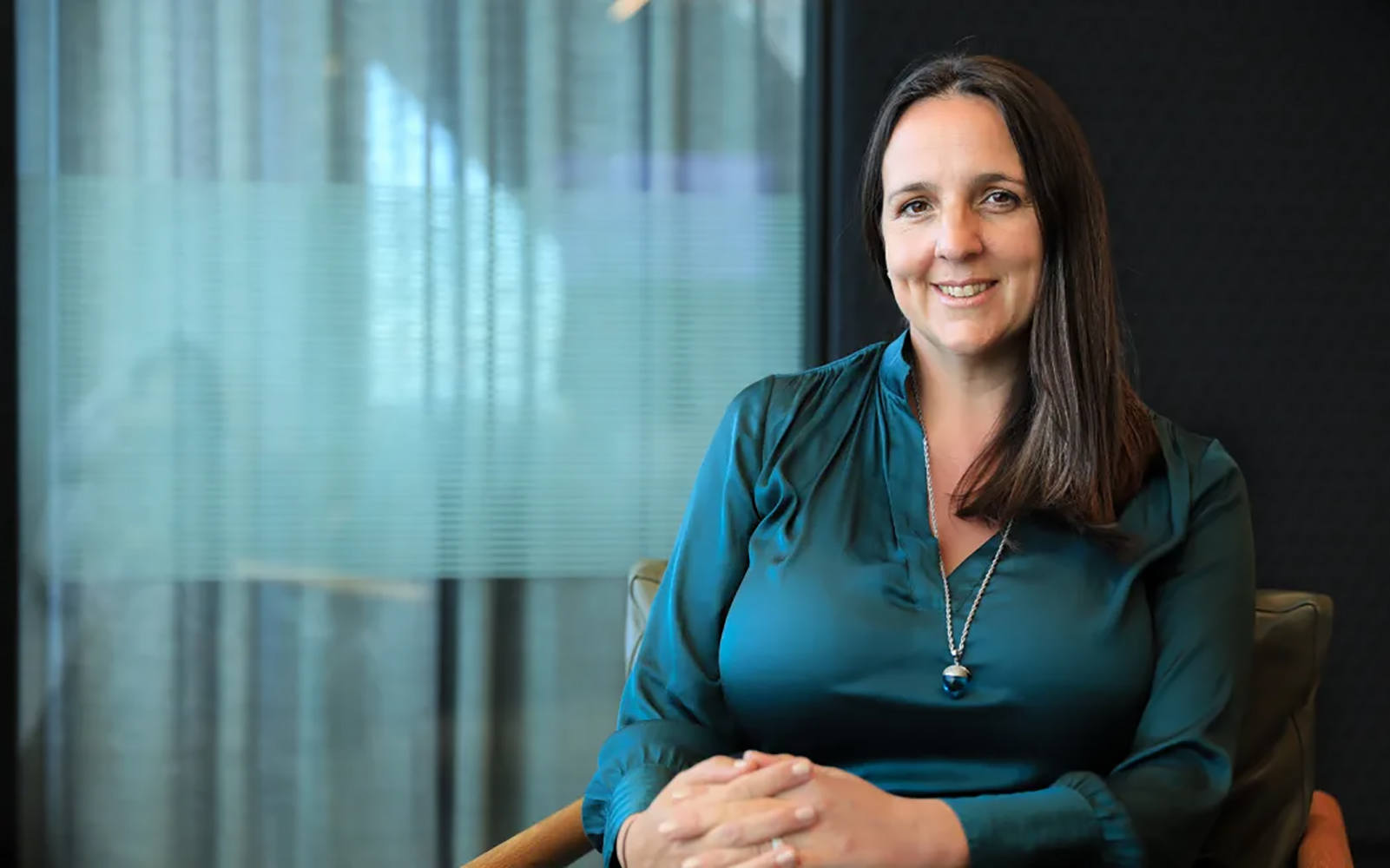
Endometriosis is a complex and often misunderstood condition that can cause a number of debilitating symptoms for many individuals. At Endometriosis New Zealand, our mission is improve the lives of those living with endometriosis by providing support, information, education, research, awareness and advocacy for those impacted by this condition. Our services are aimed at all who need them, ensuring that no one faces this condition alone. All year round and particularly during the awareness month, we are dedicated to spreading awareness and empowering individuals to recognise the signs and symptoms of endometriosis to ensure early diagnosis and effective management of their condition.”
As part of Endometriosis Awareness Month, ENZ are hosting an event on March 27 at Harvest Kitchen, in Appleby. “The theme this year is ‘Living well together” says Tanya. “Our objective is to foster a supportive and understanding community for those affected by endometriosis. Our aim is not only to raise awareness of endometriosis but also to inspire a collective commitment to improving the lives of individuals living with this condition. ‘Living well together’ highlights the significance of this collective, whether that be partnerships between patients, healthcare professionals, families, workplaces or the wider community. A collaborative effort is crucial in ensuring those impacted by endometriosis receive the understanding and support they need to live their lives to the fullest.”
Helping those in our region for two decades, Helen Hills is the local co-ordinator of the Nelson Support Group and says her team will be attending the March 27 event. “Our group is about networking and sharing experiences, education, information, and most of all supporting those sufferers, their partners, family, friends and work colleagues. We have been supporting people since 2004 and are one of the many groups throughout New Zealand that is still going." The five-strong committee collaborate with ENZ and advertise their bi-monthly meetings through local channels including community papers, radio stations, local libraries and health centres.
ENZ services, as well as free resources and information, are available on their website: nzendo.org.nz
For support in Nelson Tasman contact: nelsonsupport@nzendo.org.nz
Endometriosis New Zealand ‘Living well together’
Wednesday, March 27 from 6pm to 9pm
$10 entry
Harvest Kitchen
168 Redwood Road, Appleby
Read the latest Nelson Magazine here.
