
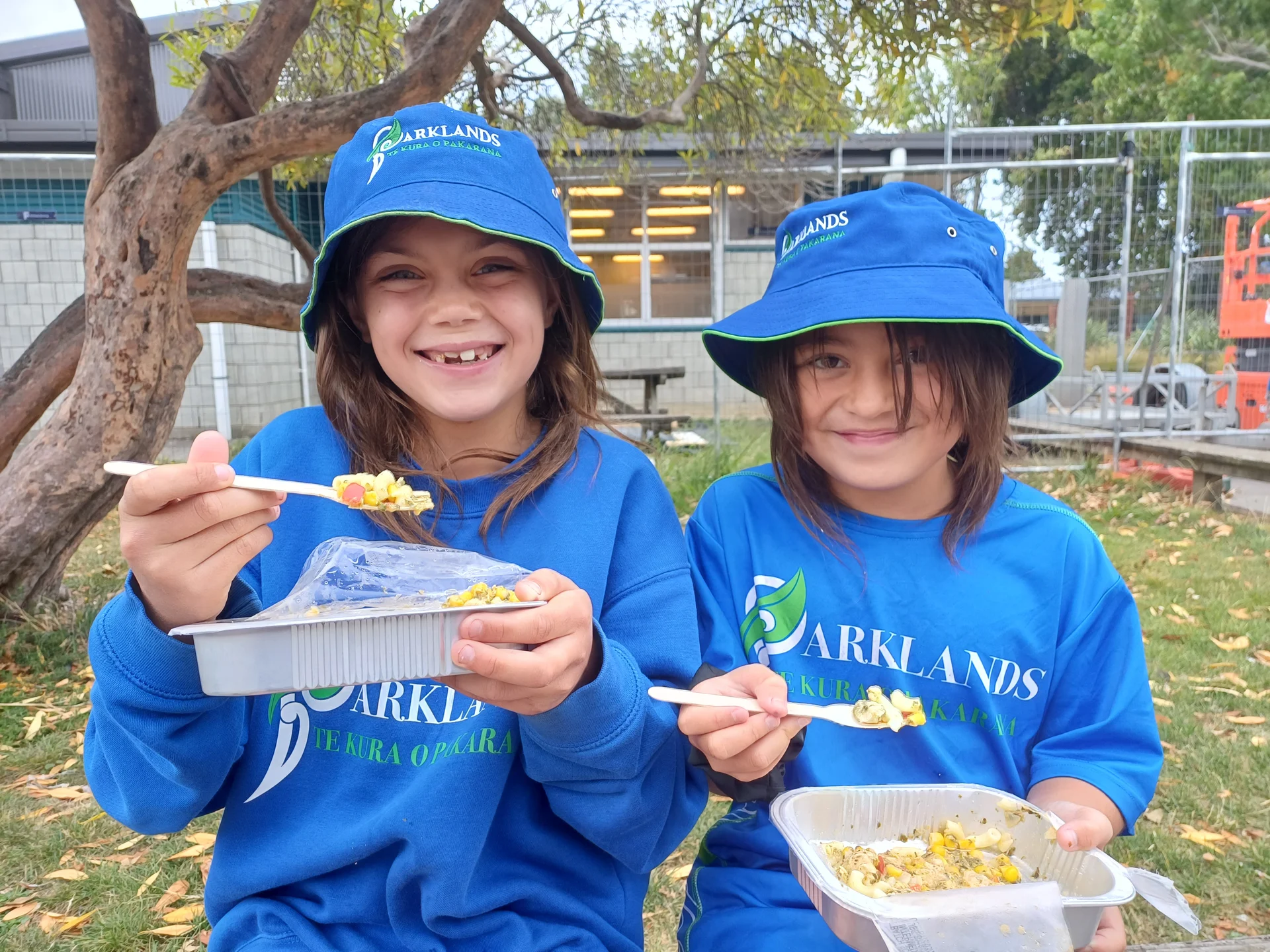
The removal of school lunches would be “devasting” for some of the students who rely on the service, says Parklands School principal Andrea Smith.
Parklands School has been onboard with the Ka Ora, Ka Ako Healthy School Lunches programme since May 2021. It was introduced by the previous government, and currently provides free, healthy school lunches to more than 230,000 children – about a quarter of all school students across the country. It reaches 1570 students across 10 schools in the Nelson/ Tasman area.
The programme is now under review by Associate Education Minister David Seymour, who says he is looking to cut funding by up to half.
Seymour has been reported as saying that programme creates excessive waste and that there was no hard evidence that it improved attendance or achievement.
However, the Parklands principal/tumuaki at the central Motueka primary school reports that it has “absolutely” had positive affects for the students.
“Behaviour at lunchtimes and in the afternoons has improved since the introduction,” Andrea says. “Students who rely on our lunches have a sense of certainty. One thing they don’t have to worry about when they start the school day is food.”
She says that if the lunches are removed, some students will again begin to struggle with their behaviour in the afternoons, due to not having enough nutritious food in their lunchboxes.
“Our kura will end up having to feed these students as there will be no other options.”
This in turn takes time away from the staff, and money away from the school, she says.
The issue of waste has been raised with the school lunches, with figures from 6 to 12 percent being quoted from various political reports. Andrea agrees that some lunches are more popular than others, which she compares to a regular lunch box.
“If the students had a packed lunch, they may or may not like what is inside.”
She says that the amount of waste varies each day, and that the lunch provider is given feedback so that they can streamline what is on offer. The hot lunches – items like pasta bolognaise and butter chicken - are normally particularly popular, Andrea notes.
She says that while the main goal is for students to have a tummy full of nutritious food, giving them the opportunity to try new types of food is another benefit.
The eating of lunches is monitored by the teachers, and if a student is regularly not eating them, “we have a talk with their whānau and problem-solve,” she says.
“Either they opt out of lunches or there is discussion around trying new things.”
