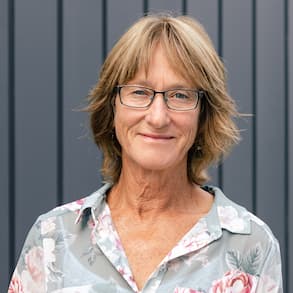

Philip Gibbs has been enthralling Richmond preschoolers with the wonder of tiny chicks hatching from eggs incubated in their classroom for more years than he can remember.
This year was the first time Waverley Street Kindergarten were given 24 eggs to hatch, and though the chicks could be heard cheeping in their eggs by the usual 21-day incubation period, they were a tantalising day late.
Then suddenly they were there; little wet bundles emerging from their eggs and the joy it gives children, many who have never seen chicks hatch out of eggs, makes it all worthwhile for Philip.
“It’s always exciting when the chicks hatch and the kids are all around them. They’re handled a lot more than my birds are!”
Philip has been supplying eggs to Waimea Kindergarten ever since his friend Karen Walsh organised the first batch of eggs and both have lost count on the number of years. As a reliever at the Waverley Street Kindergarten, Karen decided it was time to get a batch there as well so more children could see where chickens came from and witness their arrival.
From viewing them inside the egg with a candlelight, they then heard chicks cheeping in the eggs as they neared hatching and finally watched them peck their way out of the eggshells to emerge as tiny wet chicks that fluffed up under the heat lamp.
It is a process Philip has never tired of and he has hundreds of birds. The eggs in the kindergarten hatched into either black and cream Barred Plymouth Rock chicks or yellow Rhode Island Red chicks, which he breeds at his Mt Heslington home.
“We’ve always had chooks – you’ve got to have a few chooks.”
Poultry supply eggs, but his real passion are the other bird species – partridges, guinea fowl and pheasants. In the past his pheasants were not just everyday pheasants, but golden, silver and Lady Amherst’s pheasants.
Partridges are his main bird though and he has 300 of them which supply about 1000 eggs for game bird fans in the North Island, with the money from that venture paying for bird feed.
“Hardly anyone else breeds partridges and they’re nice little chaps. It’s a big expense and it’s time, but I’m retired now. It used to be early starts and late finishes, especially in the breeding season when you’re hatching eggs.”
At the kindergartens, the chicks inevitably grow into fully-fledged birds and then need to find homes.
“Normally, someone takes them home until they can tell what sex they are and then I get a call from Karen who says: ‘we have quite a few roosters here’.”
Hens find homes easily because “chooks are suddenly more popular” since egg prices have risen, whereas Philip takes the roosters.
He reckons the eggs-to-chicks experience for the children is invaluable and for him it’s a bit of fun and easy to do.
“All I’ve done is supply the eggs. I don’t have to do much – the chooks do all the work.”
