
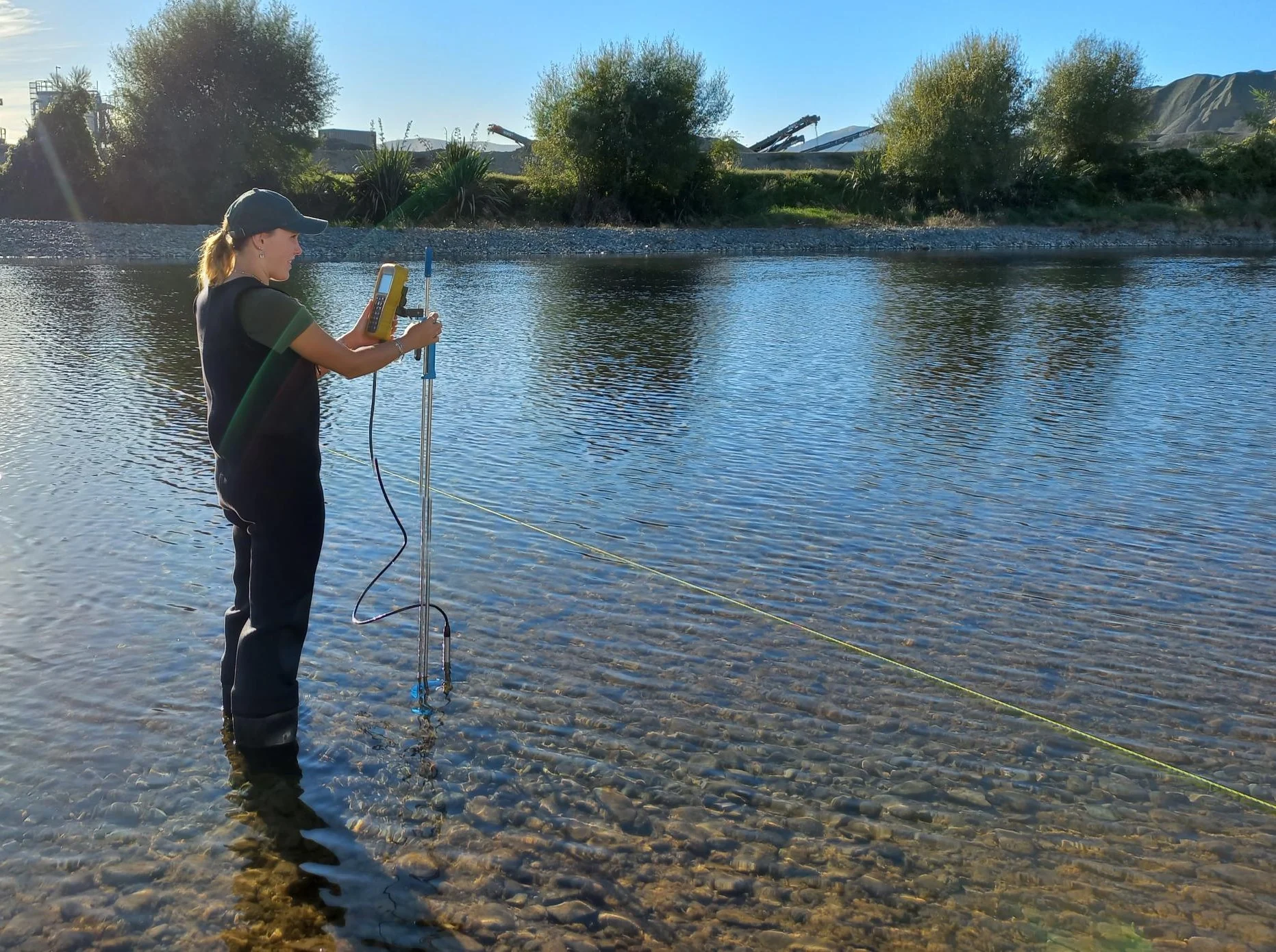
The region is in the grip of a winter drought and without the Waimea Community Dam, urban and industry that feed off it would be on stage four water restrictions, which is a 65 per cent cut.
Tasman District Council acting information, science and technology group manager, Rob Smith, says Richmond has had just half of its usual rainfall for the year with just 200mms of rain compared with about 400mms. In May alone, 21.5mm was recorded compared with a typical 100mm for the month.
It has resulted in little moisture in the soil and there would be a fraction of the water in the river without the reservoir in the Lee Valley releasing water into it. Though water is not needed for much irrigation at this time of year, he says residential still needs water for drinking and within households, while industry, from meat processing to timber and glasshouses, still need the same amount of water for production. The only reason there has not been water restrictions in the past few months is because of the dam and he says people in the community have jobs because the water is there.
“That’s peoples’ jobs. It’s not just that they get (water) cuts, their productivity would have to scale back. The flow on through our community is quite large and so it’s not just about someone irrigating some apple trees.”
At the dam site, Waimea Water has recorded the lowest May inflows since records commenced in 2007. It is now releasing 1.2 m3/s to support downstream river flows and last week it had released seven per cent of the reservoir over a two-week period, taking it to down to 85 per cent of its capacity. Twenty per cent of the reservoir was released between opening the valve at the beginning of March and one large rain event in April.
Council’s senior resource scientist, Joseph Thomas, says the positioning of the dam collects a huge quantity of rain when there is a decent rainfall such as the one in April. On the other hand, the Kainui Dam southwest of Wakefield is just 12 per cent full because it does not have the same catchment area. He says it will need about 800mm of rain between now and October for next summer. He says the region is experiencing a “green drought”, where the grass looks green, but soil moisture is at wilting point, which is really dry for June.
“It looks green on top, but there really is no moisture below foot. Once you go down 300mm to 500mm it’s as dry as a board.”
Waimea Irrigators Ltd chairman, Murray King, says he has concerns for the farmers, growers and lifestylers who are not benefiting from the Waimea Community Dam and are struggling with dry, cold conditions and limited feed reserves to get through winter. He says there will be livestock under severe pressure in the coming months.
In the Moutere, the drought shows the effects without the dam, with aquifers so low that Rob says a 35 per cent water restriction is still in place and it will take a long time for the groundwater to get back up to where it needs to be because it is a confined aquifer. While over in Golden Bay, irrigators would be on cease take in winter because of the lack of rain.
