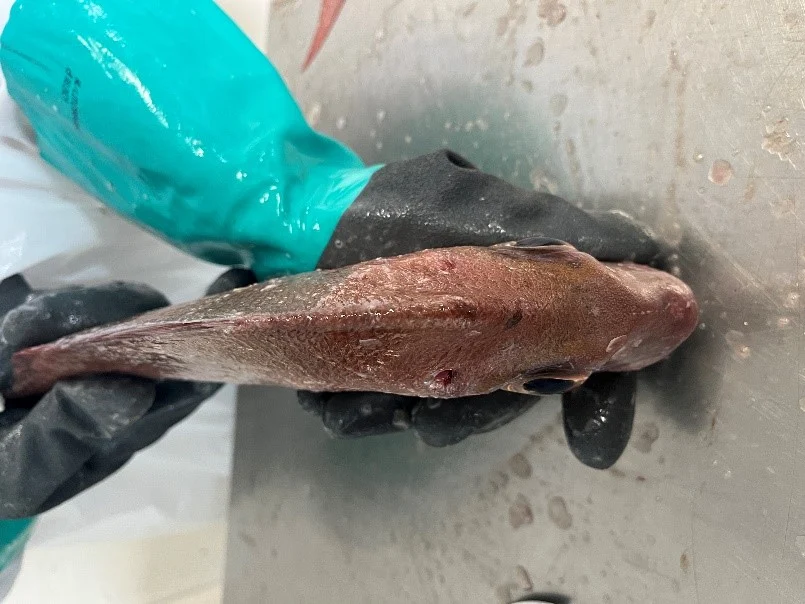
Reports of snapper with milky white flesh has prompted officials to encourage reports from individuals in the Nelson Tasman area who catch any.
Ministry for Primary Industries (MPI) has received reports of snapper being caught with flesh described as “milky white” or “mushy”, a condition termed “milky white flesh syndrome”.
This syndrome has been observed among snapper in the Hauraki Gulf and East Northland regions. MPI is seeking assistance in monitoring its spread and encourages reports from individuals in the Nelson Tasman area who encounter similar instances.
Initial testing of snapper showing signs of this syndrome has revealed no biosecurity or food safety issues.
The primary discovery in affected fish was evidence of nutritional deficiencies, often occurring post-spawning.
A detailed scientific analysis suggests that insufficient food supply is likely causing the milky white flesh syndrome.
Snapper affected by this condition typically exhibit a skinny appearance and have soft, white flesh instead of their usual firm, translucent texture, indicating malnutrition.
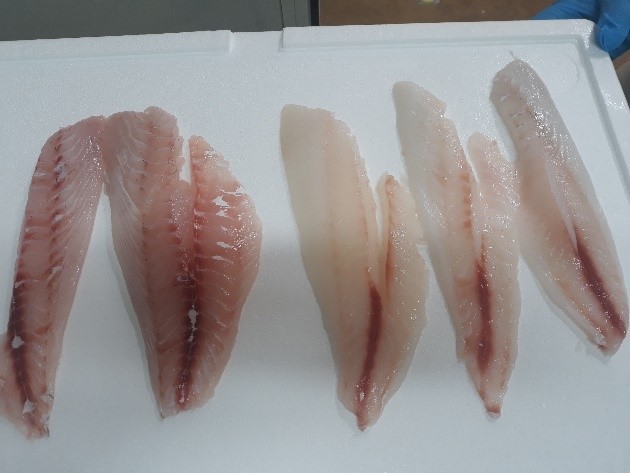
MPI Nelson, Fisheries New Zealand and Biosecurity New Zealand, have had no reports of snapper with milky white flesh syndrome from the Nelson Tasman.
The Dawnbreakers Fishing Club Nelson also says they have not had any reports of it.
Both parties reported that snapper fishing in Tasman Bay was phenomenal over last summer with healthy fish stocks.
They did note that the sea temperatures in the bay are rising and that they saw an extended snapper fishing season beginning in September 2023 and lasting right into the start of June 2024.
As a precaution, Biosecurity New Zealand is interested in reports of affected snapper from outside the east of Auckland and Northland areas, and in finfish other than snapper.
If you find any suspected cases, freephone the pest and disease hotline on 0800 80 99 66.
If you have any fish to submit, keep them chilled (refrigerated) but not frozen, and send in the whole fish (not just the fillets). Samples are best when they can be analysed within 24 hours.
