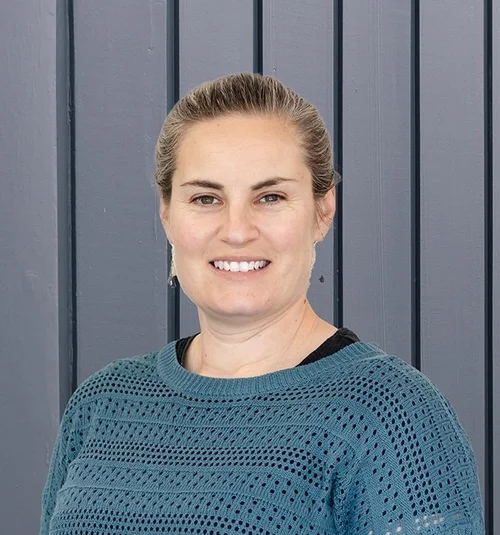

You know you’ve been in the police force for a long time when you describe the timeline of your engagement with the phrase, “and a few homicides later”… without flinching.
After 46 years of service, Simon Burberry retired from the police force last month. The last 25 years were spent as the Tasman District crash investigator, which meant a life where he always had a bag packed, ready to be on the road within 15 minutes of the next call. It was crucial that he arrived at a crash site as quickly as possible because that was the best way to form a true picture of what had happened.
“Everything tells a story,” he explains. “Every mark, every gouge, every scrape, every piece of damage, every contact.”
The push of the scene investigations is less about figuring out who is at fault for the sake of a prosecution, and more about identifying how the next crash can be avoided. The crash scene investigator job was a newly-created one, encouraged by road policing manager Hugh Flower, who – like Simon – had an interest in unpicking just how crash rates and fatalities could be reduced.
For several years, Simon was the only person in the role, covering 35 to 40 fatal crashes each year. Each of these took three days of field investigation and then “weeks and months of enquiry work” afterwards. An off-sider was eventually appointed, and Simon is being replaced by two people upon his retirement.
He got into the job in the late 70s as a “young hoon” after being pulled aside by one of Motueka’s traffic cops, who had noted his penchant for speeding around on his motorbike. He was warned that he was on a path to serious trouble, but that there was also a job out there that supplied the motorbikes, would pay him to ride them and enabled him to go as fast as he liked.
The attitude towards these things has since changed, Simon notes, but those were the days when high-speed chases were expected, and it was almost disappointing if the other vehicle gave up the chase too quickly.
He spent several years as a motorbike patrol officer, melting through his gloves in the winter by hugging the engine for warmth before the role lost its appeal and he took on a full-time job as the Richmond/Waimea police officer.
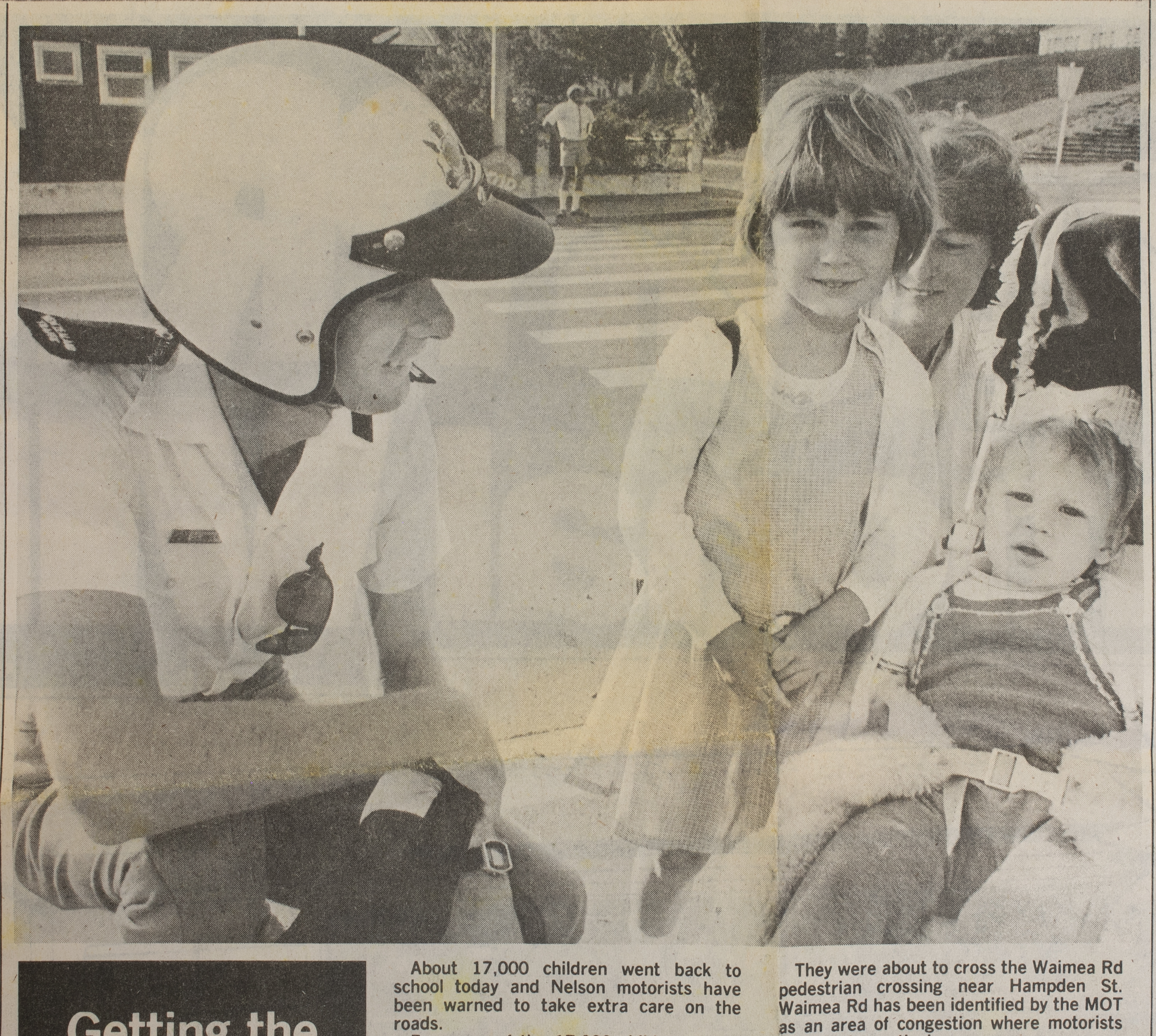
As a rural officer, he attended a lot of serious crashes, and was often first on the scene, at a time when rescue helicopters were less frequent and took more red tape to deploy.
Unless the crashes were close to town, they often turned into fatalities, Simon says.
“This changed my whole outlook on crashes, and I undertook extra studies and courses to better understand how crashes occurred, thinking that might be part of the answer to preventing them.”
As much as he loved community policing, he was being pulled away from the general roster too often to attend fatal crashes, as well as the forensic mapping of serious crime scenes like homicides, serious assaults and arsons. In 1999, he reluctantly left the general duties roster to take on the newly created full-time position of Tasman District crash investigator.
By the time he retired, he attended 13 to 20 fatalities a year. He says the road toll has reduced due to the police’s targeted enforcement, the improved medical responses, and the safety improvements that have been done on roads, thanks in large part to the research that has come by investigating past crashes. Modern cars are also better designed to take the impact of a crash, rather than transferring that impact onto the humans inside.
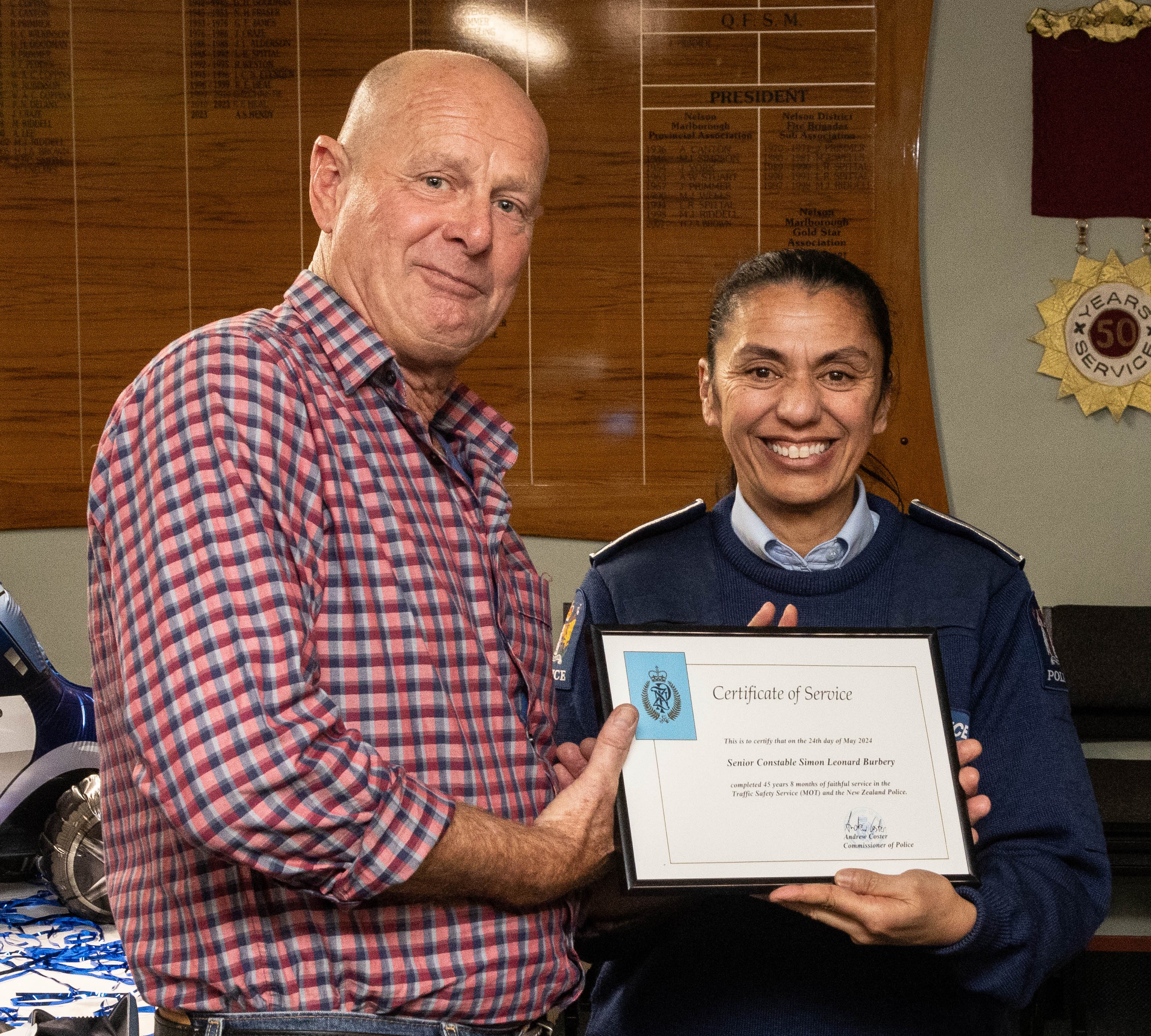
Retirement is an adjustment that Simon is still getting his head around.
He met crime scene photographer Jools during a homicide investigation on the West Coast, and the pair kept running into each other on the job. One crime scene led to another, and they have now been engaged for 16 years.
Simon reckons that after 46 years on the force, he needs to figure out “how to redefine who I am as a private citizen”.
A September wedding in Rarotonga will be just the ticket.
