
This week The Guardian continues its series about children who were residents of the Whakarewa Children’s Home, located on Motueka’s College St. The home, which housed children from adverse circumstances for almost 100 years until 1974, is currently being deconstructed.
“Just because someone throws you a ball, doesn’t mean you have to catch it.”
Linda Davies had a lot of undesirable circumstances thrown her way during her early years.
Her childhood was bleak.
Her mother, a Royal Air Force employee, was about to return to England when she discovered that she was pregnant.
She telexed Linda’s father, who told her to come back so that they could get married.
“It was a recipe for disaster,” Linda says, with an admirable cheerfulness in her voice.
Her mother was isolated from her loved ones far across the sea, and she became depressive and an alcoholic.
Linda very nearly did not survive her first five years of life.
Despite the trauma she suffered as a young girl, she views her mother with compassion.
“That would have been just dreadful to carry.”
Her parents separated when she was five, and unusually for the time, her father received full custody.
Although he was a constant in her life, it quickly proved too difficult for him to look after her while working full-time, and Linda says she “became pass-the-parcel amongst the family”.
She was bundled off to various aunts and uncles before being fostered for a year in the Marlborough Sounds because the isolated school there needed one more pupil to stay open, she laughed.
A chance encounter in the local pub catalysed Linda’s admission into the Anglican-run home. Her father, then living in Motueka, had called in for a drink after work, and the local minister happened to be there as well.
And so, it came to be that, from age 11 to 17, Linda became one of about 20-odd children who called Whakarewa home.
Linda says that by then, she was running wild and needed some semblance of authority to keep her from trouble.
The home provided her with stability, routine and a raft of life skills.
Her love of cooking was sparked there, and she remembers that if all the children were well-behaved, she was sometimes allowed to make sponge cakes – one for each of the five tables – decorated with cream and strawberries from the home’s bountiful gardens.
It was a big ask though.
“Can you imagine having between 19 and 23 kids all being good at the same time?” she laughs.
She feels intense gratitude for being in the right place at the right time, she says.
“It was a sanctuary. It was a safe place. It was a haven,” Linda recalls.
The home could not offer everything, however.
Most of the staff were wonderful; a handful of them “shouldn’t have been in a children’s home”.
She did not excel at school and, perhaps as a survival technique from her earlier years, “I was just invisible”.
“What I didn’t learn, and my god, was it a steep learning curve, was self-worth, confidence, and belief in myself,” she says.
There was a stigma to being one of the Whakarewa children, an assumption that they were “lesser than” and a bit thick, and she says that some of her home brothers and sisters began to believe it about themselves.
“And somewhere inside me was a kid who said, basically, ‘You can get stuffed, I’m not going to be that way’.”
Nourishing her sense of self-worth was something that took a long time, and Linda, now based in Blenheim, says that she works at it every day.
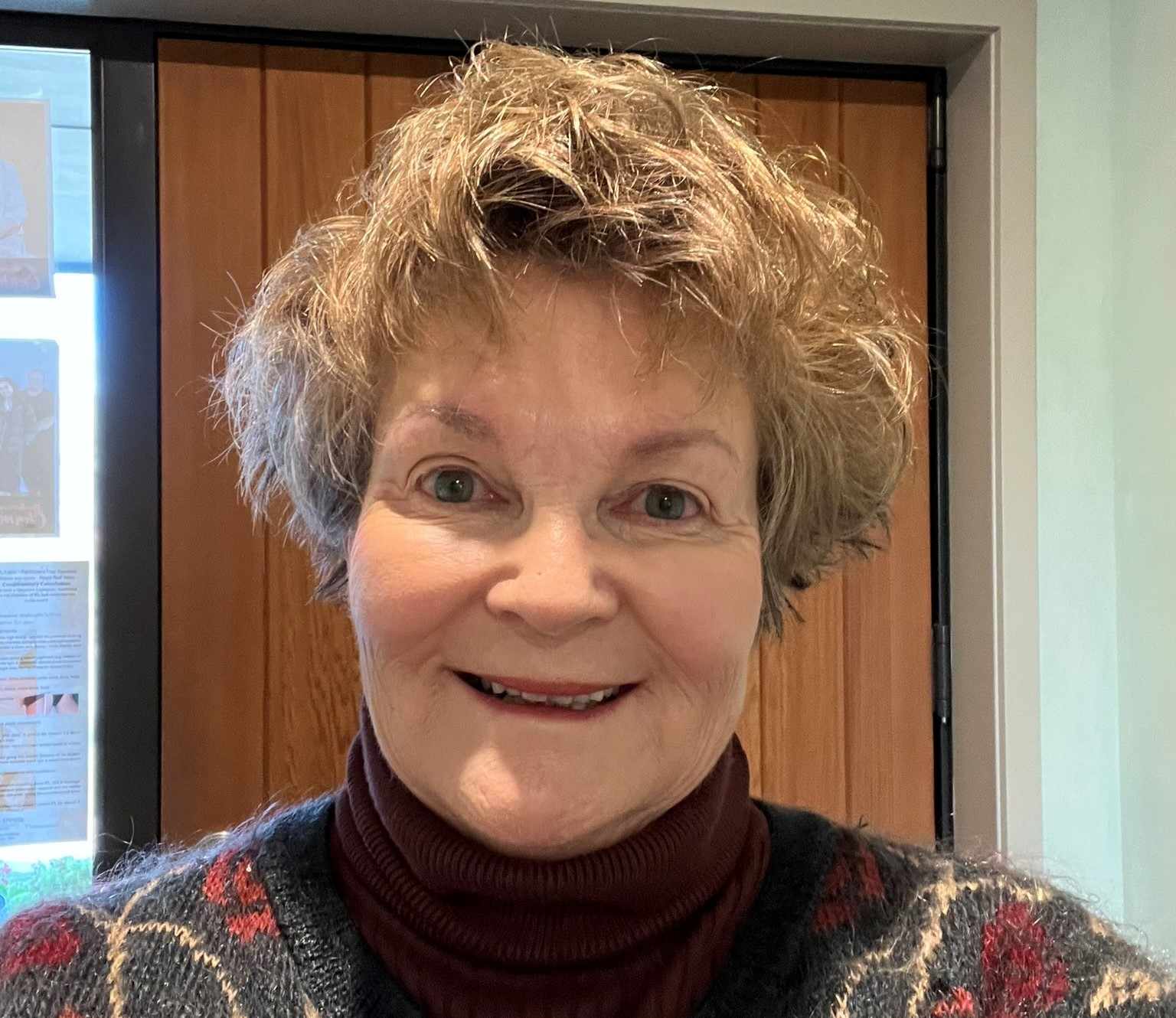
One of her many mantras now is, “Just because someone throws you a ball, doesn’t mean you have to catch it”.
The imprints of her early life are evident in the decades that followed, but not in the way that you might expect.
Linda despises bullying in any form, having seen the damage that a cruel taunt can do.
She works across the fields of health, beauty and personal empowerment, and she is involved in the Youth Development Champions Project.
She has lived extensively overseas, completed a Cordon Bleu cooking course, worked in catering, built properties and owned a retreat.
Now in her 60s, Linda relays the details of her early life with a lightness that belies the hardship. She is someone who considers her past trauma with, not gratitude exactly, but acceptance that it provided the building blocks for who she is today.
A person who chooses which balls to catch and which to let sail past and takes joy in helping others to do the same.
The Whakarewa Children’s Home was farewelled in a heartfelt and emotional ceremony last month.
The Guardian will continue to share memories.
