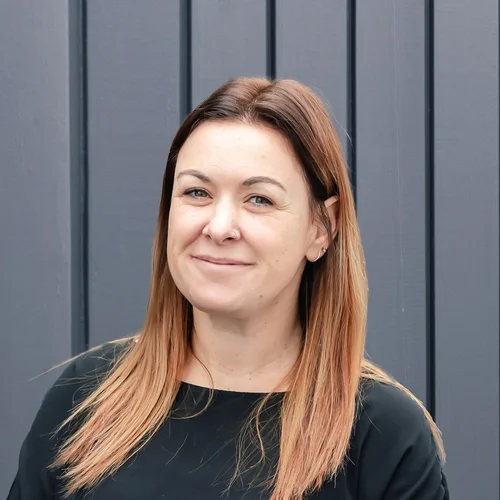

Yulia Panfylova says not long after Tasman District Council joined the Mayors for Peace network in 2021, the war in her homeland of Ukraine had “kind of exploded”.
“At that time, I was really passionate about peace, so we got Tasman involved in the art competition for children to promote peace,” the TDC community partnerships officer says.
The competition was something that Yulia has continued to promote every year since, with a large contingent of entries from Tasman. A judging panel then selects the top five artworks from each age category to send to Japan to be considered for the Mayors for Peace President’s Award.
Founded in Japan, Mayors for Peace’s purpose is to contribute to the attainment of lasting world peace by arousing concern among citizens for the total abolition of nuclear weapons through close solidarity among member cities.
In August 1945, atomic bombs dropped on the Japanese cities of Hiroshima and Nagasaki killing more than 210,000 people and destroying almost everything in a 1.7km radius. Nearly 80 years later, many survivors still suffer from the aftereffects of radiation.
The Mayors for Peace network has more than 8400 member cities in 166 countries around the world. Tasman, greatly supported by mayor Tim King, with the help of Yulia, is one of the more active members in New Zealand.
So, when applications opened for just two internships with Mayors for Peace in 2024 and Tasman councillors put her name forward for a spot, her name was recognised by the Japanese selection committee as someone who had been active in the space for the past few years.
“Apparently it meant a lot for them that we were actually doing something on a regular basis,” Yulia says.
Earlier this year, Yulia joined just one other, a Bosnian, for 16 days in Japan where she learnt the full history of the bombings, spoke with survivors, and learnt of the long-lasting consequences of nuclear bombs.
Half Russian, half Ukrainian, Yulia says her application was “emotional”.
“One of the phrases I used was ‘peace is fragile’, I never thought the war would explode in Ukraine, you can live in a country and think it’s peaceful, but peace is very fragile, we need to work to maintain it and educate people about what happens when it stops.”
She says, in New Zealand, being so multicultural, we already have more tolerance of other cultures than some countries.
“We have this empathy to other countries and ethnicities and some other countries are more uniform.”
But that won’t stop her from sharing what she learnt through her internship, because the biggest thing she stresses is we shouldn’t take peace for granted.
She will continue to put time and energy into the peaceful art competition but would like to initiate something that’s more attractive to boys.
“We want kids to think about peace and what it means and what it means to them personally.”
Yulia says planning is well underway for World Peace Day which will be celebrated in Tasman in September.
