

Melrose House, standing proud at 144 years old, offers a window into Nelson's storied past. As the Melrose Society marks its 50th jubilee, the dedication to preserving this historic gem is celebrated. The house continues to enchant, reflecting a bygone era's charm and elegance.
Words: Adrienne Matthews
The verandah at Melrose House is a prime spot for reflecting on Nelson's storied past. It is here one can envision the late 1800s with women in flowing gowns, men in dignified bowler hats, and children in sailor suits playing on the lawn.
Nestled at the junction of Brougham St and Trafalgar St South, the house stands proud at 144 years old, one of Nelson's few remaining grand residences from that era.
This year, the Colonel Noel Percy Adams Trust (Melrose) Society celebrates its 50-year jubilee. It is a voluntary organisation that was set up to oversee the running of the house after it was gifted to the Nelson City Council in 1974.
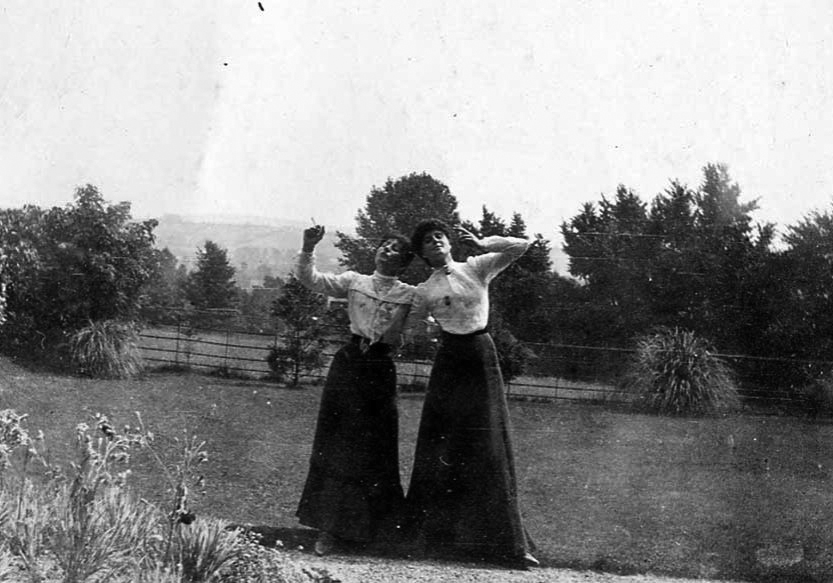
Plans for the residence were drawn up by architect John Scotland for farmer and surveyor Charles Watts in the late 1870s. Following Charles's passing in 1881, the property passed to his daughter Frances and her husband Percy Bolland Adams.
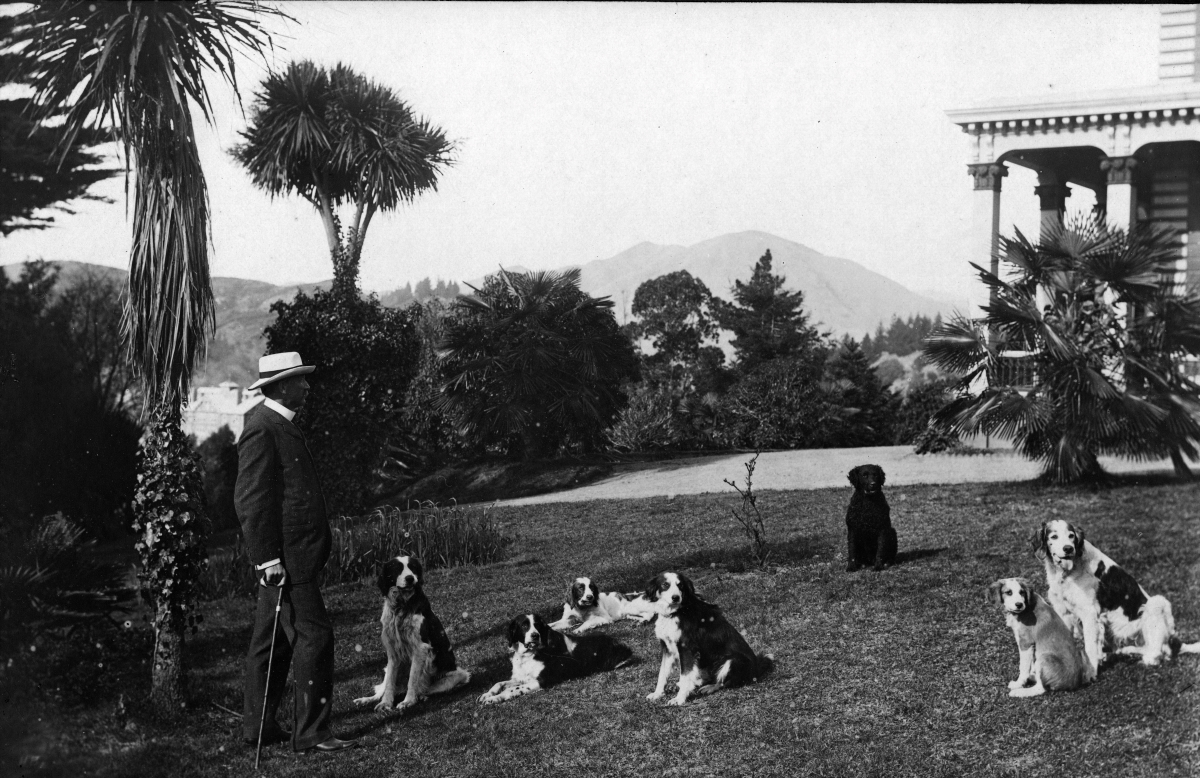
The Adams' only child, Noel Percy, was born at Melrose in 1882, where he spent his childhood and teenage years. Later, while studying in England, he met and married Eileen Raw. The couple returned to New Zealand, and Percy, by now a widower, lived with them at Melrose.
Until his death, Percy continued to enhance the garden, planting native trees such as Totara, Puriri, and Karaka alongside exotic species like Moreton Bay Fig, Lawson's Bay Cypress, and Redwood.
Upon inheriting the property, Noel gifted it to the Women’s Division of the Farmer’s Union (WDFU) (now Rural Women), where Eileen was a prominent figure and an advocate for rural women. The handover took place in the gardens in 1944, and Melrose became a haven for women to find a reprieve from the toils of agricultural life, relishing ‘breakfasts in bed’ and the melodic symphony of birds in the growing gardens.
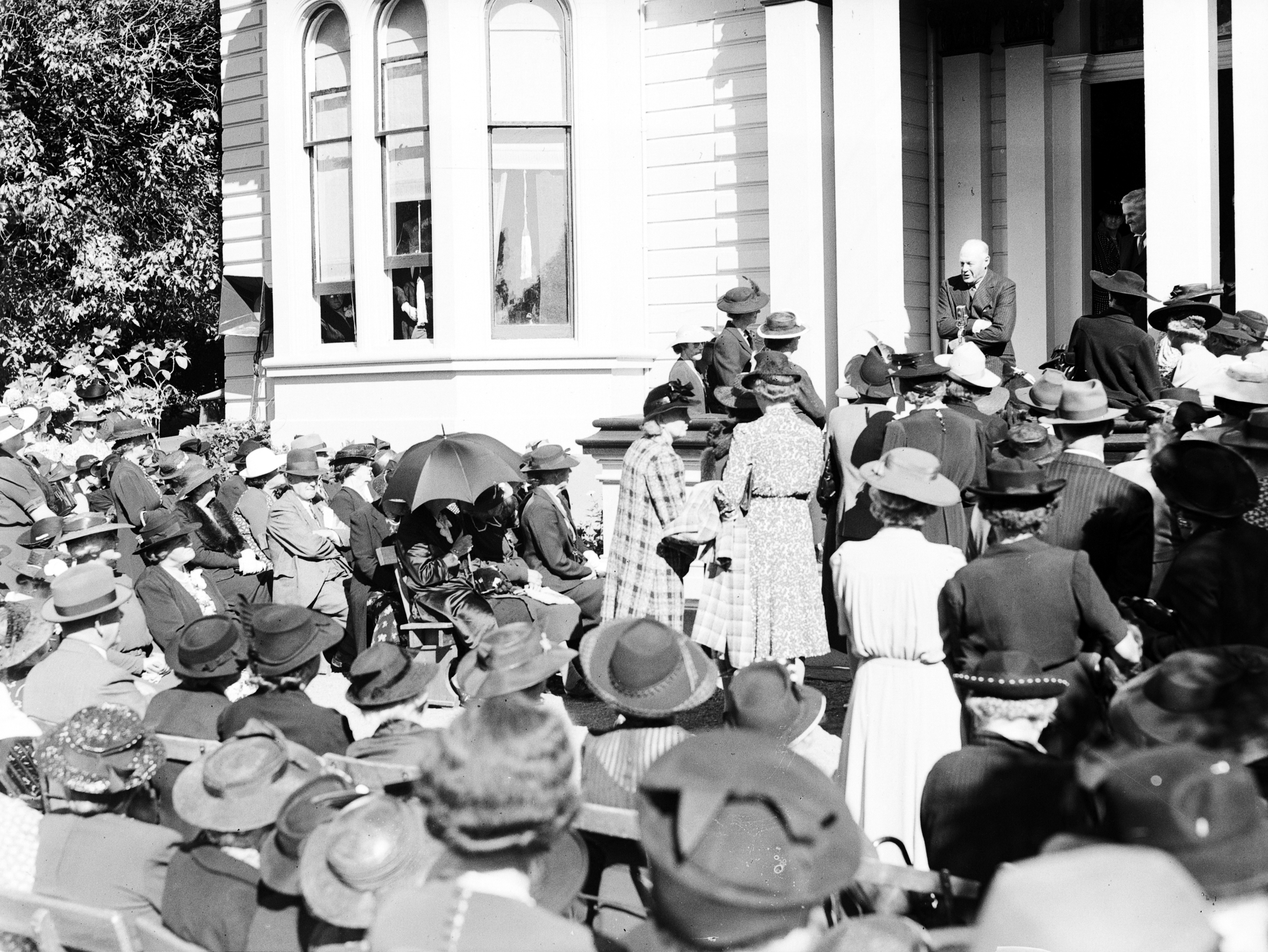
Foreseeing a possibility when, in the future, the WDFU might no longer require the building, Noel informed the Nelson City Council of his wish to gift the house and gardens to the city should they relinquish it, to which the council agreed.
By the 1970s, the financial burden of maintaining Melrose became untenable for the WDFU, but the council was reluctant to take the house on. It required a great deal of maintenance, and they were uncertain of its future use and benefit to the community.
Months of debate in 1973/4 followed, including public meetings, petitions, support papers, and newspaper articles. In 1974, the council allowed an auction to take place of all furniture and fittings, leaving the house empty.
A group of concerned citizens formed the Melrose House Society. A Nelson Mail newspaper clipping from 1974 reported: “The Nelson City Council is to be petitioned to accept without further delay the Melrose property on the terms of the existing trust deed.” The council was even threatened that if they did not follow through on the acceptance, the society would take them to the Supreme Court.
The group was successful, and in 1975, the title of Melrose was transferred to the mayor, councillors, and citizens of Nelson for public purposes and for the benefit of the citizens of the city of Nelson. Six months later, the Society was incorporated as a Charitable Trust, with the undertaking that it would be responsible for restoration and maintenance of the interior of the house and for promoting its use to the community.
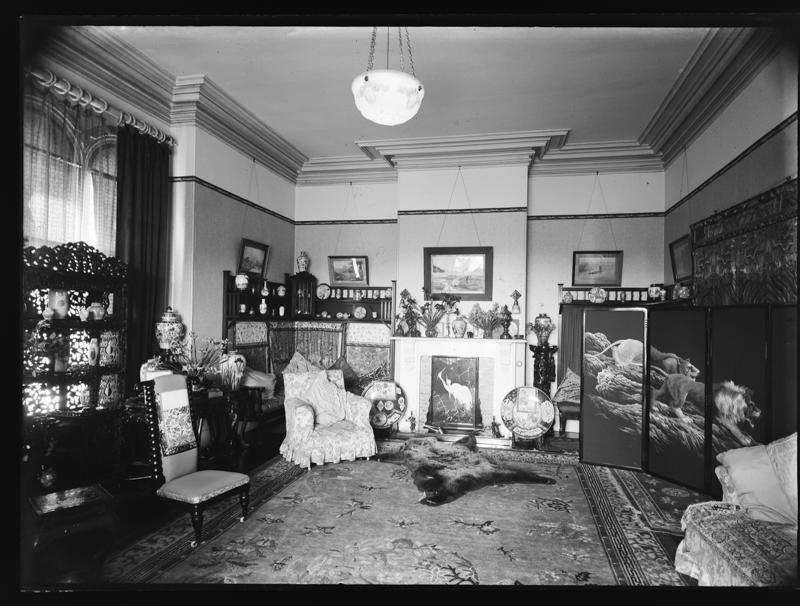
Sylvia Wesney has been a board member for all but a few of the last 18 years. “Accolades need to go to the first board members who had the task of converting what had been a rest home into a venue that would be viable so the house could be preserved for future generations,” she says.
One of those was well-known local architect and creative, Christopher Vine, who was on the initial steering committee that contested the city council’s wish to pull it down. “New Zealand has so few of these grand old buildings, and it is important that we look after them,” he says.
The process of renovation and refurbishment has been gradual as funds have allowed. While the Nelson City Council is responsible for the exterior of the building, the surrounding gardens, and car park, the Society has put in the hard work inside.
In 2009, Simone Henbrey was appointed resident/custodian/event organiser, a position she held for three and a half years. Over the years, the house had become run down, but with the help and support of the Melrose Society Board, individuals, and organisations, Simone organised a transformation, overseeing fundraising events, managing repairs, organising a booking system, and marketing it as a venue. The thousands of dollars in grants and donations obtained from various public and private sources were spent on the interior restoration and refurbishment. Native timbers were restored, luxurious window drapes procured, and a state-of-the-art central heating system installed. The house was re-wired, a fire sprinkler system and insulation were put in, the kitchens upgraded, and carpets replaced.
Openings were created to make the drawing room and parlour more user-friendly, and in 2009, the morning room house was opened up to create enough space for the café.
“Living in the house was an adventure,” says Simone. “I had always admired its graciousness and was passionate about repairing and restoring it to bring it back to its former glory.”
It wasn’t without its challenges, though. “The worst thing was when clogged gutters flooded the ceiling and shorted the lights. I stepped off the top step of the servant’s quarters in the dark one winter evening and tumbled down a full flight of steps and through the wall at the bottom, rendering myself unconscious,” she says. “It was hours before I came to, to find myself inside the wall with a badly broken wrist and a head injury that took me over a year to recover from.”
The house was closed for a time in 2011/12 to allow the council to undertake earthquake strengthening. The restoration and refurbishment continue under the auspices of the current board, and these days Melrose House hums with the love and care that has been bestowed upon it, with its rooms regularly booked for all manner of activities and events. The café receives accolades for its food, service, and ambience, and the house has come back to life in all its grandeur.
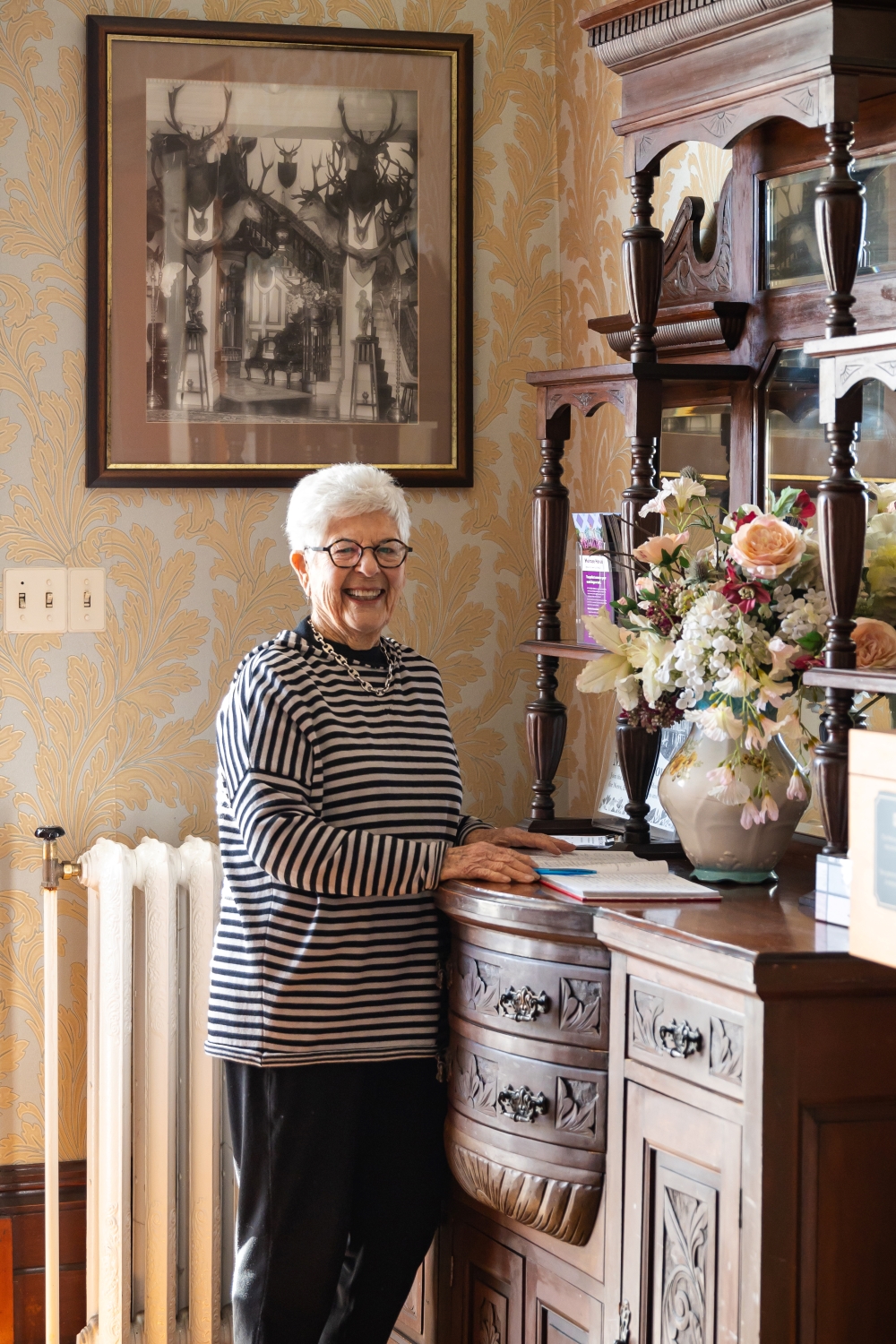
“None of this would likely have happened without the commitment and determination of the Melrose House Society and the many individuals involved in it throughout the years, and it is a pleasure to see the house and grounds in use and open to the public,” says Sylvia.
While the house’s original slate roof has given way to iron, the exterior's Corinthian columns retain their allure, and the arched windows and intricate corbels beneath the soffit testify to the meticulous craftsmanship of the original builders. The work done to maintain it and its heritage gardens is a testament to the excellent relationship that now exists between the council and the Society.
In an ever-evolving urban landscape, heritage houses like Melrose House serve as vital links to the past, preserving memories and perspectives from bygone eras. It is a happy result for Nelsonians and visitors to the region who get to experience first-hand the historical value of a fine piece of 19th-century architecture that offers a unique glimpse into the city's rich history.
