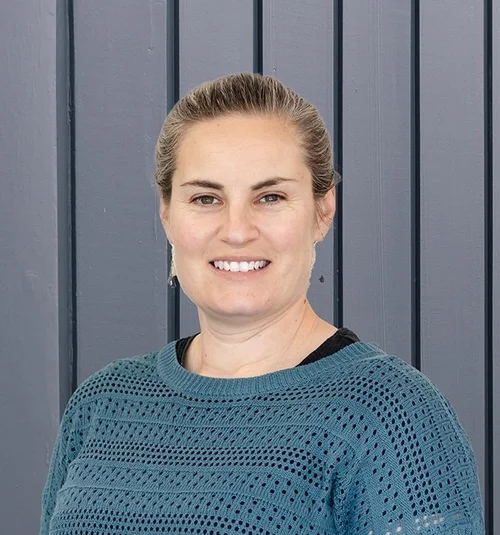

Neville’s is the fourth story in The Guardian’s series about children who were residents of the Whakarewa Children’s Home, located on Motueka’s College St. The home, which housed children from adverse circumstances for almost 100 years until 1974, is currently being deconstructed.
Neville Greaney is still a champion potato peeler.
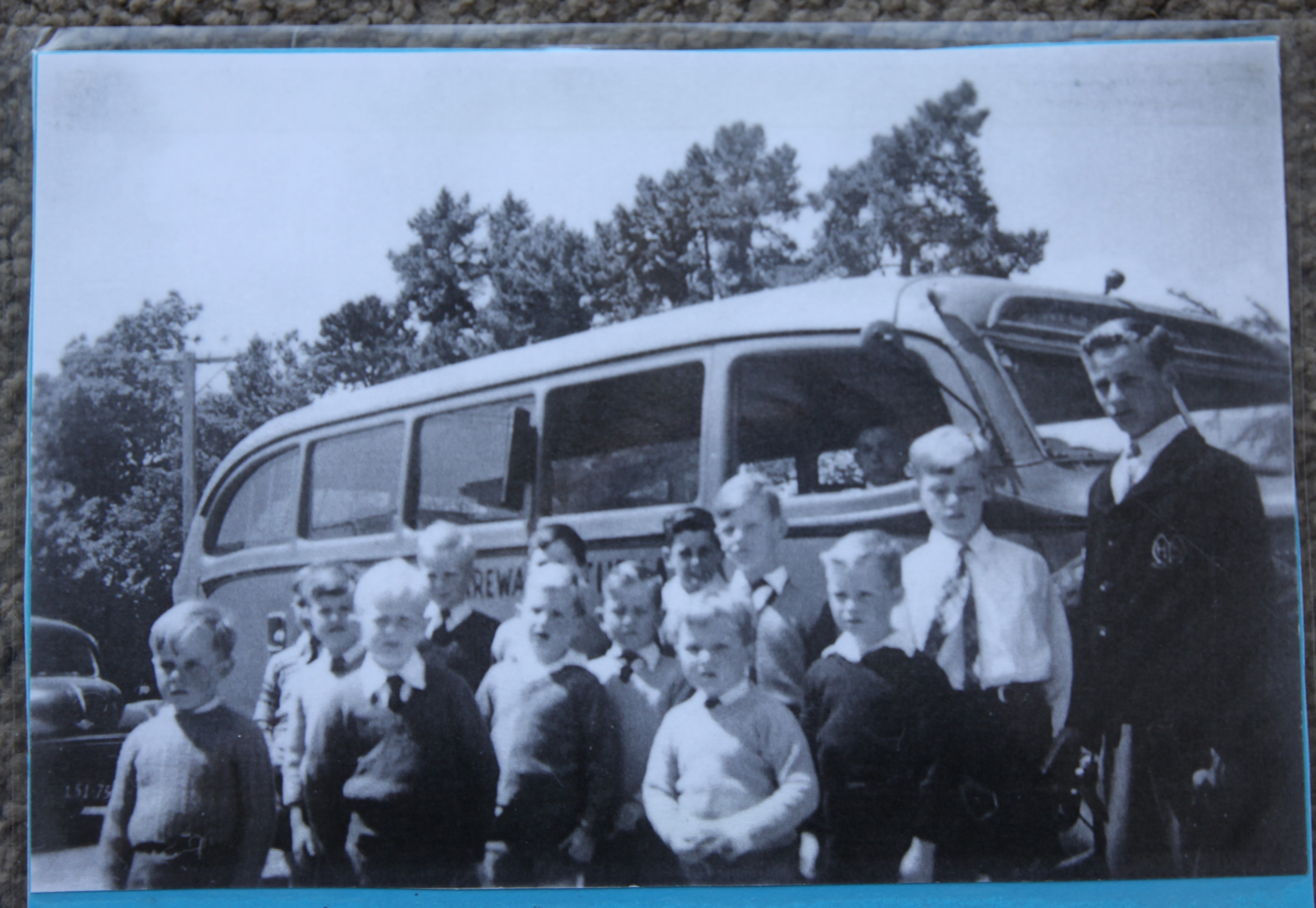
He was deposited at the Whakarewa Children’s Home in 1951 by a father who promised to visit every weekend and then promptly disappeared.
Neville still tears up thinking of his five-year-old self, waiting hopefully by the gates.
After a while, he adjusted and Whakarewa became home for himself and his four brothers.
He spent school holidays with two families over the years, one from Blenheim and one from the Sounds and both of whom tried to adopt him. Neville remembers them as being wonderful people who gave him an awareness of “normal” family life, but he is relieved that the powers-that-be decreed that the siblings should not be further separated.
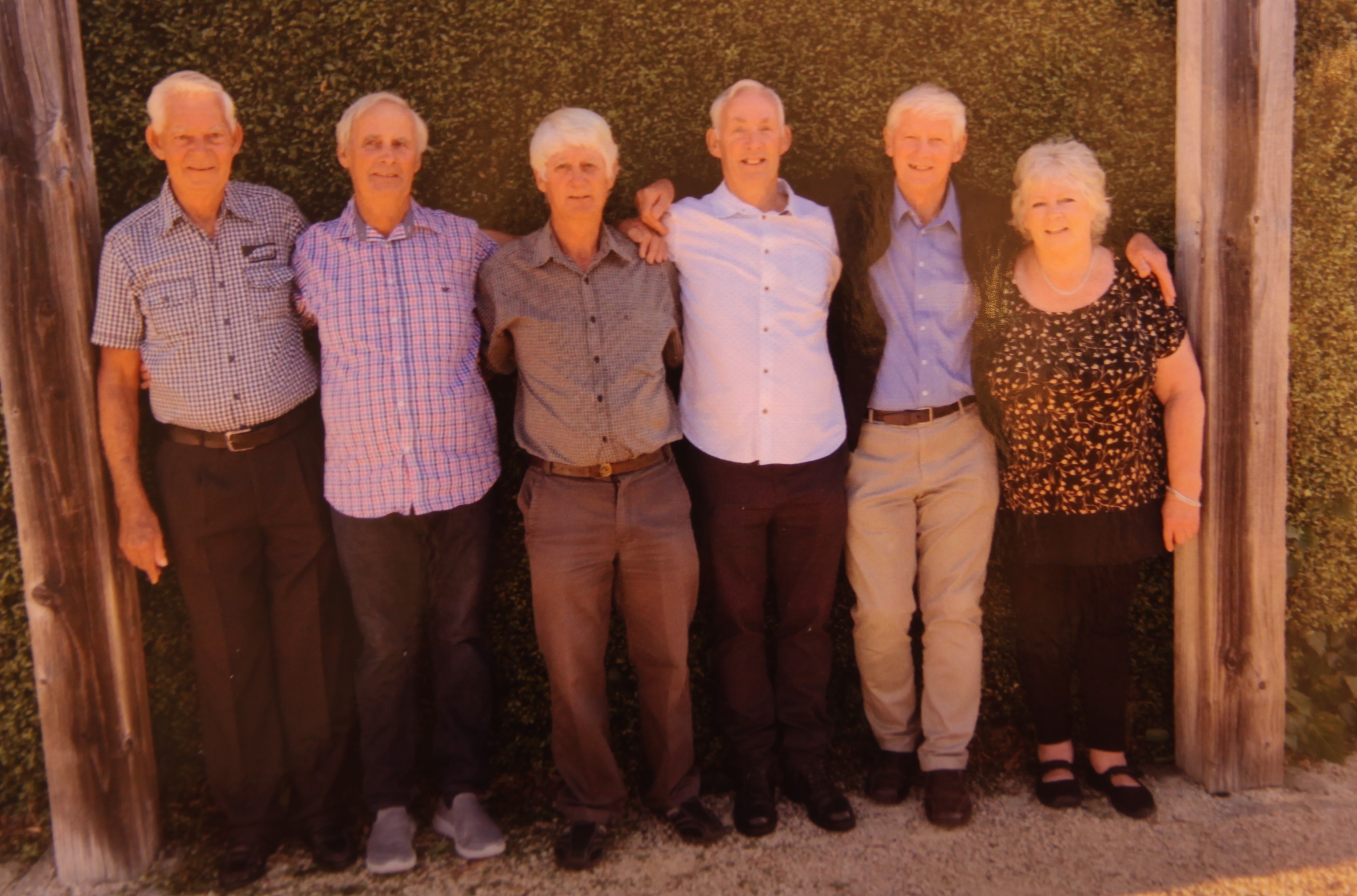
The Greaney brothers’ baby sister Lois had been adopted out to a family in Christchurch, and it took the children more than a decade to find each other again.
Neville left the home at 16 and started his army training at 18. The daily chores at Whakarewa had sharpened his potato-peeling skills, and he could outstrip the other cadets five spuds to one.
At about the time when Neville was honing his machine-gunning skills in the mid-60s, a young woman called Carolyn Ludlam was finding her feet after arriving in Motueka from Taranaki.
“In those days, crossing the Cook Strait was a big OE,” Carolyn laughs.
She was employed as a seasonal worker for a while, and when that came to an end, she wrote to the Whakarewa Children’s Home to enquire about work.
The appeal was the children. She had just turned 18 when she started there as the cook and reckons that she couldn’t even boil an egg.
“I had to learn in a big hurry,” she laughs.
Besides, the matron seemed to think that culinary skills were secondary to attitude – the main thing was that Carolyn liked children and she wanted to be there.
She was barely older than some of the oldest Whakarewa residents herself, and the kids liked to remind her of that fact.
“Mmm, we love raw meat, Miss! We love burnt potatoes!” they would cheerfully goad her as her offerings were served across the four dining tables.
Neville often returned to Whakarewa to spend time with his younger brother Cliff, as well as the other residents.
It was during the 1967 Christmas party, when 21-year-old Neville had just returned from military training, that he discovered the home’s newest staff member.
The first time he laid eyes on Carolyn, she was guiding the younger children outside into the yard. He can still remember what she was wearing – an orange floral skirt and top set.
“I decided I quite liked the look of the cook, and I asked the boys about her,” he says with a grin.
Because she came from the North Island, Carolyn hadn’t absorbed the local stigma about the “Whakarewa boys”. From her time within Whakarewa’s walls, she had a perspective that most people did not.
“That’s why he liked me,” Carolyn says of Neville. “Because he knew I understood.”
Her parents took just a little longer to come around.
After giving them the bullet points of Neville’s background – raised in a children’s home, alcoholic father, institutionalised mother – they were down like a shot to reassure themselves that she hadn’t linked up with “a lame duck”, Carolyn laughs.
The home children were understandably invested in the real-life romance that was playing out in front of them and would hang out of the dormitory windows to watch the pair’s interactions.
“We did all our courting up there,” Neville remembers.
They would take the children on outings in the weekends, and when the couple bought their first home in the early 1970s, just down the road from the children’s home, they fostered children both from the home and the wider community.
“We loved it. We thrived on it,” Carolyn says.
They even offered to become the home’s matron and master when the roles became vacant, but, then in their mid-20s, they were deemed too young.
Now 75 and 77 respectively, Carolyn and Neville have been married for 55 years.
Neville is described by his wife as “the best husband anyone could ever have”.
He became a builder, and has built more than 500 houses, including 18 in total for his six children, who between them have given the couple 20 grandchildren and three great-grandchildren.
Neville speaks about his siblings with great love and pride, explaining how the “home children” in particular were taught the values of resilience and hard work.
“That’s sort of the character training that we had at the boys’ home there. We knew that if we wanted something, we had to work for it.”
