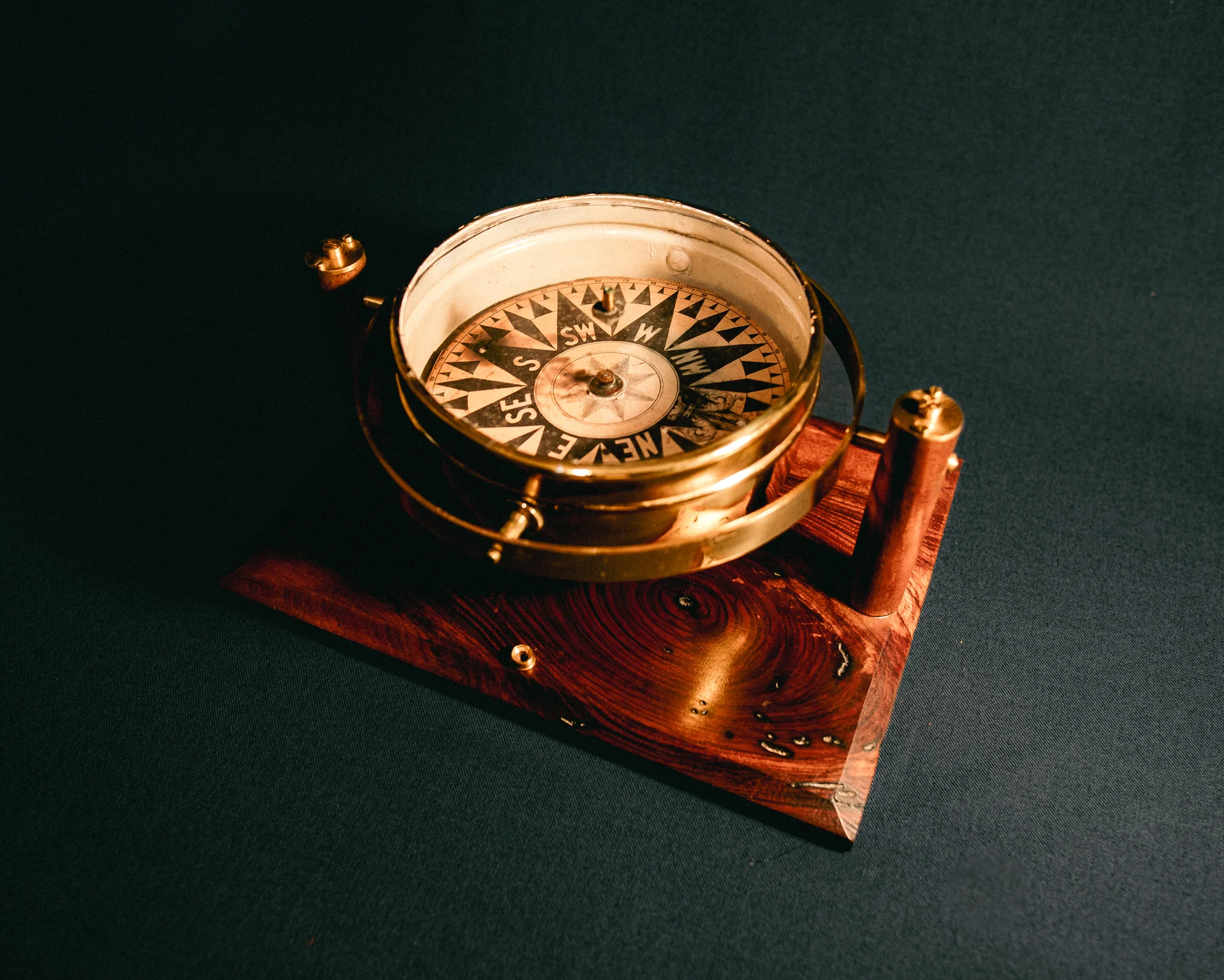
The Motueka District Museum’s Artifact of the Month showcases a carefully chosen item providing a rare opportunity to view objects that are typically kept in storage. This month, they have highlighted the original gimballed compass, which they are caretakers of, from the boat Janie Seddon as the featured artifact.
During World War I, when The Janie Seddon was repurposed for military use, the compass played a vital role in navigation and operational effectiveness.
“In World War II, Janie Seddon was used as a minesweeper around shipping lanes, which was crucial for maintaining safe maritime transport during the conflict,” Motueka District Museum exhibitions manager Kenny Willis explains.
“Accurate navigation was crucial for naval operations and ensuring that ships could maintain their intended courses across vast distances and treacherous waters.”
The compass, mounted in the wheelhouse, was a sophisticated navigational tool with gimbals that kept it stable despite the ship’s motion.
These gimbals suspended the compass card, allowing it to align with Earth’s magnetic field for accurate readings, crucial for navigating rough seas. Sailors used the compass needle to determine their direction and adjust the vessel’s course to reach their destination.
“Gimballed compasses marked a significant leap in navigation technology, greatly enhancing course accuracy during voyages and proving pivotal in the Age of Exploration by aiding explorers and traders in mapping global routes,” Kenny says.
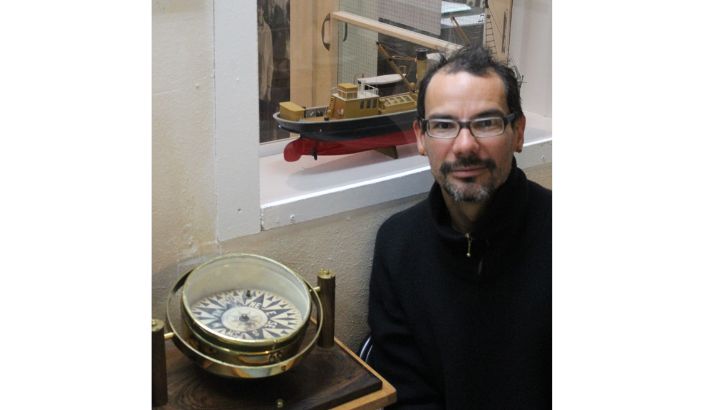
After World War II, the Janie Seddon was relieved of service with its captain keeping the compass. Like many ships of its time, it eventually faced aging challenges and changes in maritime technology.
Typically, vessels from this era were either scrapped or repurposed as they reached the end of their service lives, reflecting the broader history of early 20th-century ships transitioning between commercial and military roles based on global events and technology advancements.
Preserving its legacy amid maritime history’s evolving technologies and global events, the compass came to the museum as part of the captain’s estate where it can be viewed by all.
