

More than 50 tuatara have been released at the Brook Waimārama Sanctuary, the first mainland translocation of the reptile in the Top of the South.
“Bringing this precious taonga to the sanctuary represents a significant milestone in the conservation effort, not only in Whakatū [Nelson] but in New Zealand,” Ngāti Koata Trust Pou Whakahaere (general manager) Turi Hippolite says.
Around 100 people attended the ceremony on Wednesday last week for the release of the 56 “ living fossils”, including the sanctuary’s staff, the Department of Conservation (DOC), Nelson City Council, and representatives of the local iwi Ngāti Koata, who act as the gatekeepers of the iconic species that originated or descended from Takapourewa (Stephens Island) in the Marlborough Sounds.
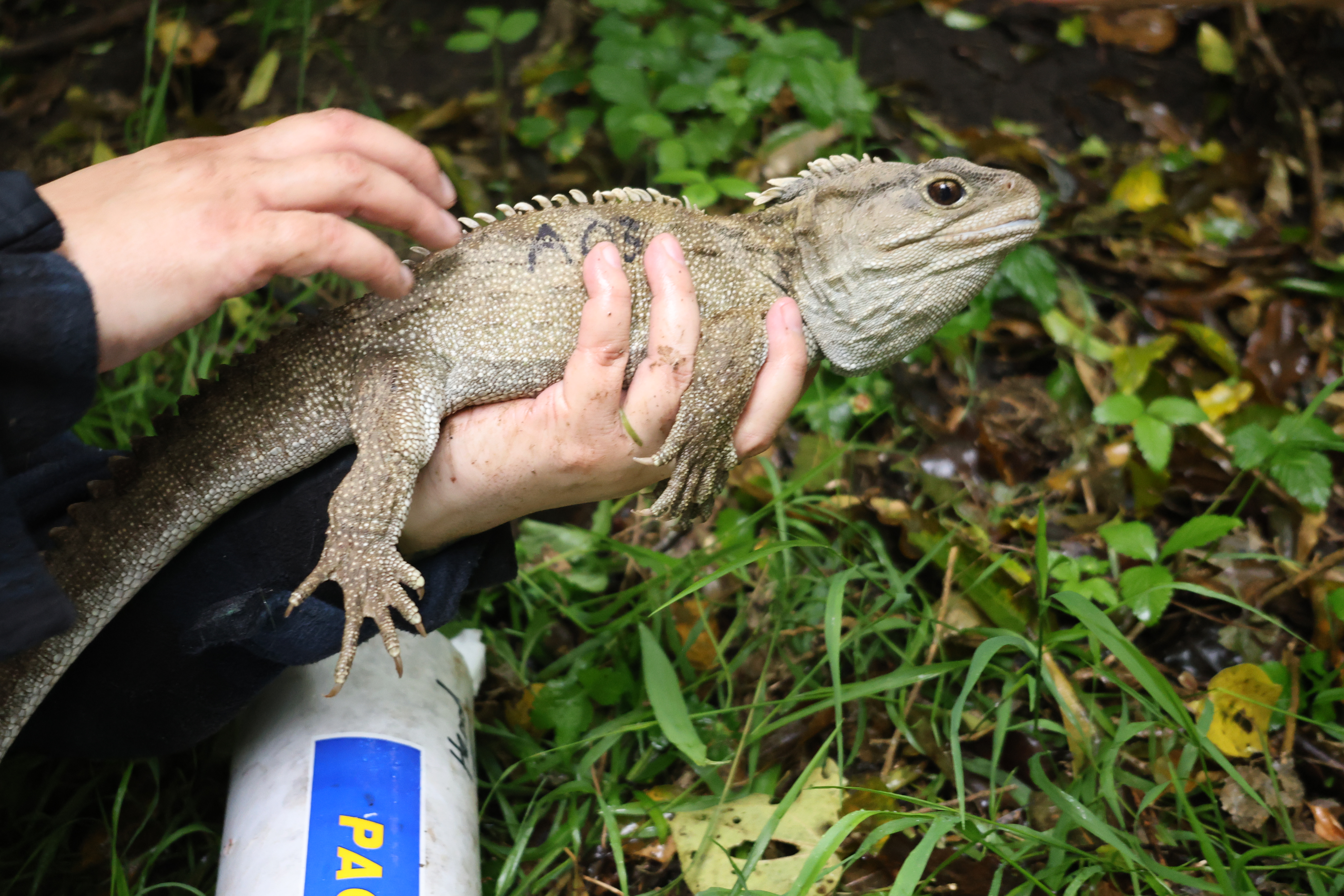
Turi says it was an honour to witness the return of the taonga tuatara to their ancestral home in Te Tauihu (the top of the South Island).
“This reintroduction strengthens Ngāti Koata’s role as kaitiaki of the Takapourewa tuatara, connecting us deeply to our tūpuna, the land, and its unique species,” he says.
“We hope our mokopuna will continue this legacy, caring for and learning from these living treasures as they thrive.”
Sanctuary chairman Chris Hawkes says the $100,000 state-of-the-art mouse-proof fence which surrounds a 3.7-hectare exclosure within the sanctuary’s 690 hectares sanctioned the tuatara release after mice had been undetected in the area since February.
The fence provides a predator-free environment crucial for tuatara survival, optimal habitat conditions and a controlled space for scientific research and monitoring.
Donations from various parties supported the sanctuary’s preparations for the tuatara, and the sanctuary secured a DOC permit for their translocations almost a year after an application was made.
The juvenile to mature tuatara were sourced from Wellington Zoo, Massey University’s Wildbase Hospital, Waikanae’s Ngā Manu Nature Reserve, Palmerston North’s Central Energy Trust Wildbase Recovery, Franz Josef’s West Coast Wildlife Centre, and Natureland Wildlife Trust.
Upon their arrival at the sanctuary, they were released into predrilled burrows in the upper, middle and lower sections of the sanctuary as the larger tuatara are carnivorous and will eat their young.
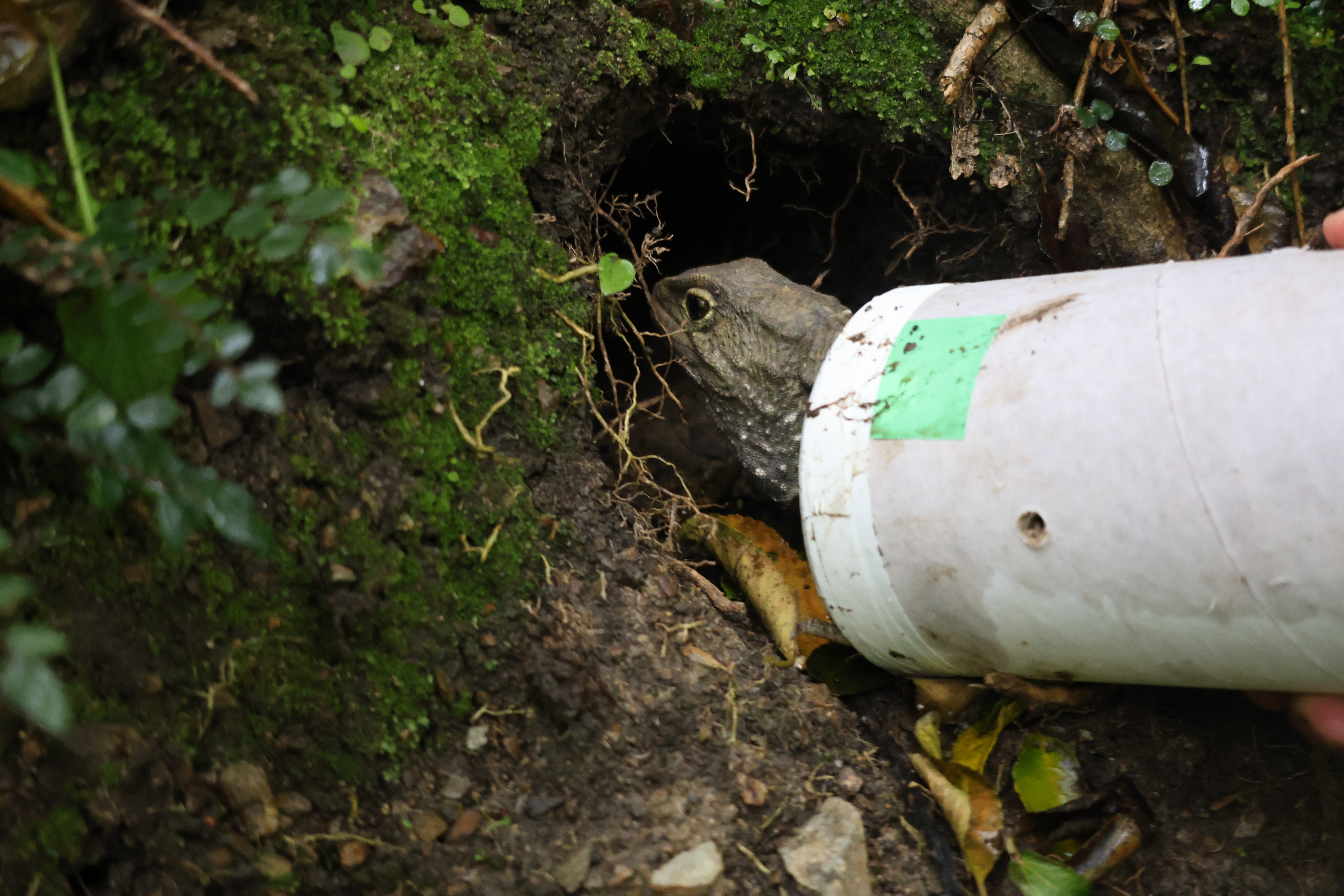
Chris says the tuatara release was also a prelude for the restoration of the sanctuary’s ecosystem with plans to establish a breeding population and a centre for tuatara research.
“I understand it will take many years to know if our breeding programme has been successful but if we can establish that and look outside the mouse-proof fence to transfer tuatara later, we'll certainly have a legacy at our sanctuary,” he says.
Sanctuary ecologist Robert Schadewinkel says the tuatara will be monitored by non-invasive monthly checks.
“It's all going to be done from a distance, at the moment they have a temporary marking on their skin but they also have a microchip in them, so we can always identify them once they shed their skin.”
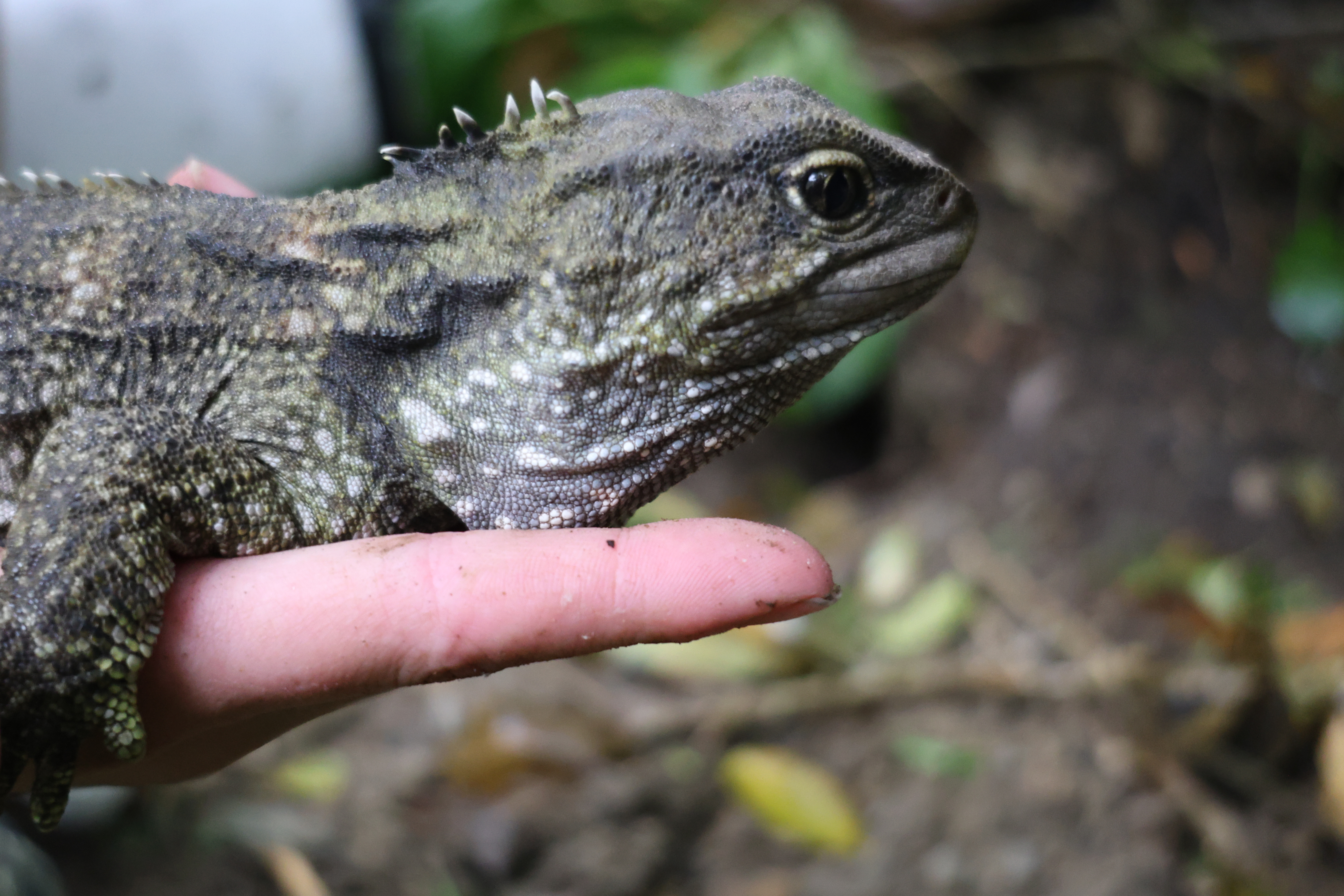
Sanctuary chief executive Ru Collins says the public could get a glimpse of the tuatara once they’ve adjusted to their new environment.
“One of the developments we've done in the mouse-free exclosure is we’ve developed a walking track that we’ll take guided tours around and that'll give a chance for the larger specimens to be seen,” he says.
“With the smaller specimens, because they're located at higher altitudes we won't be getting to see them very often, but the larger specimens down at the coal mine area will develop a creative system.”
