
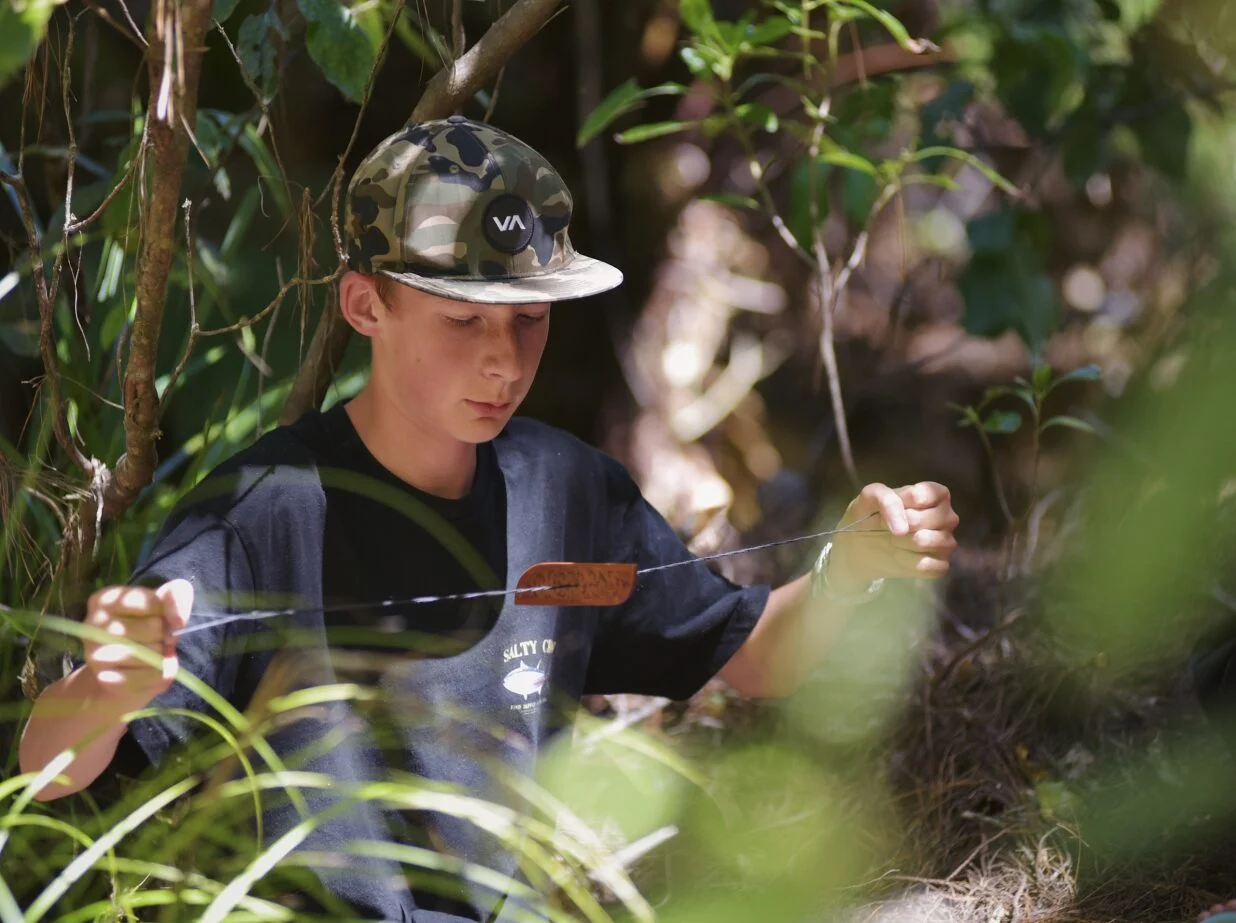
Terpenes, phytoncides and volatile organic compounds all sound like things you would find on the shelves of a chemistry lab, but the students at Motueka High School have been quite literally breathing them in.
The students have been engaging in Shinrin-yoku, or Japanese forest bathing, as part of a series of environmental action camps which are hosted by Whenua Iti Outdoors.
The camps are an ongoing initiative, run in collaboration with NZ Landcare Trust and the Bupa Foundation.
The aim is to deepen students’ connection to the natural world, equipping them with the tools and inspiration needed to tackle environmental challenges and embrace sustainable living practices. The events are part of the nationwide “Junior Landcare” initiative, led by The Bupa Foundation and NZ Landcare Trust, which engages youth in hands-on environmental action.
A highlight is the practice of Japanese forest bathing, which is a key aspect of preventative healthcare in Japan. It is the contemplative practice of immersing yourself in the sights, sounds, and smells of the forest.
NZ Landcare Trust catchment coordinator Annette Litherland says that she spent countless hours in the forest as a child, forging a deep connection with the land and experiencing the rejuvenation that comes with it.
“Breathing in these natural compounds can lead to remarkable benefits for our bodies,” she says. “Studies show that a two-hour walk in the forest can significantly enhance natural killer (NK) cell activity for several days, boosting our immune response.”
NZ Landcare Trust’s communications coordinator Shaila Workman says that it is known that forest-derived terpenes possess anti-inflammatory properties that help alleviate inflammation and reduce oxidative stress. The fresh air in forests promotes relaxation, calms the nervous system, and improves mood by lowering cortisol levels.
Additionally, phytoncides enhance sleep quality, while inhaling volatile organic compounds (VOCs) may help lower blood glucose levels.
“Ultimately, immersing ourselves in nature provides a wealth of physical and mental health benefits essential for our well-being.”
During the camps, students will engage in interactive workshops and outdoor activities focused on ecological restoration, waste reduction, and sustainable living.
Shaila says they will learn from local educators about pressing environmental issues and how they can make a positive impact in their communities.
“Students will leave with actionable ideas and resources to implement changes at school or home, she says. “Empowering our youth to take action for the environment is essential in nurturing a generation that feels hopeful and confident about their surroundings.”
She hopes that by participating in Junior Landcare events, students not only gain these health benefits but also become equipped to lead environmental initiatives in their communities, fostering a generation of environmentally-conscious and proactive individuals.
