Local children are increasingly being diagnosed with short-sightedness, with more screen time and lack of outdoor time thought to be major contributing factors.
New research by Specsavers shows that, of the respondents, 100 per cent of Tasman parents said their children had more than the recommended daily screen time of two hours, while in Nelson it was 67 per cent.
Their children were aged 1-5 years old.
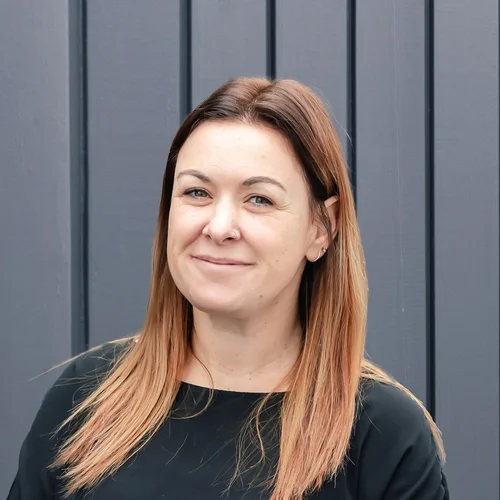
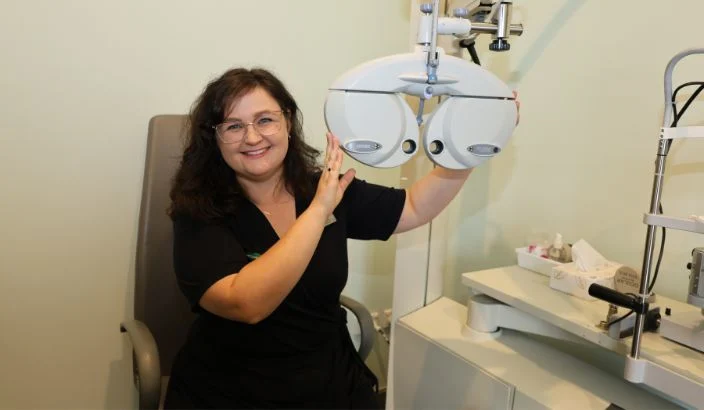
Specsavers co-owner and optometrist, Bridget Rutledge, says she is not surprised by the results and she’s one of many around the country who has seen a “dramatic increase” in myopia – or short-sightedness, in children.
Bridget, who is in her eighth year of optometry, explains myopia in simple terms as “children struggling to see things in the distance”.
It’s projected that, by 2050, myopia could be a leading cause of permanent blindness.
“Kids would have trouble seeing things far away, its actually really tricky sometimes. Kids don’t know, they think that everyone sees things blurry, and that’s how it should be.”
The impact of myopia in children can cause delays in reading and other academic skills, lead to poor self-esteem and confidence, as well as mood disturbances due to frequent headaches and eyestrain. Once someone has been diagnosed with short-sightedness, they can’t get that sight back, only slow the rate of deterioration.
“Once you’ve got myopia you can’t undo it. This is why it’s become a big issue. Later in life you’re reliant on glasses or contacts and there are some eye diseases that can be associated with it.”
Bridget says that screen time and lack of outdoor time play a “huge” factor in the increase.
“The younger the child, the more their eyes are developing, so there’s a really critical time when parents need to be aware of the recommendations.”
She says getting children outdoors allows their eyes to get used to seeing things that are further away. Sunlight has also been shown to slow the progression of myopia. The World Health Organisation recommends two hours of outside time a day.
“There has been a lot more children needing glasses, which has been tied back to more screen time,” Bridget says. “I’ve definitely noticed it’s increasing.
“Give your eyes a break, it sounds simple but it’s so important.”
She says optometrists use a recommendation that they deem the 20/20/20 rule.
“We live in a world where we have to be on screens, but for every 20 minutes on the screen, look at something 20 feet away, for 20 seconds.”
Bridget adds that it is hard for parents to know if their child is struggling.
“I get a lot of referrals where they hadn’t noticed, but the child failed the before-school screening.”
