
Four locals have earned King's Birthday honours for 2025. Throughout the day Nelson App will be sharing the story of the four recipients.
According to Daryl Eason, the problem with hand-raised takahē is that they make terrible parents, lacking the firm guidance of a parental claw.
“They just don’t get told off by their parents and learn the right lessons in life,” he reckons.
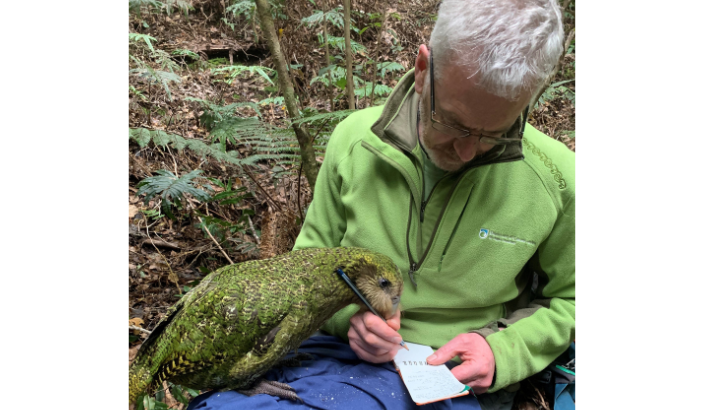
The Nelson man’s first foray into hatching the birds from eggs was at the tender age of 20, when he found himself managing the Burwood Takahē Breeding Centre near Te Anau. He has since been instrumental in bolstering not only the nation’s takahē population, but also in bringing kākāpō back from the brink of extinction.
The Nelson man’s lifelong conservation work has earned him a spot on the 2025 Kings Birthday Honours List.
“It just felt really nice for… the amount of time and effort that I’ve put into these birds. Somebody noticed, and that’s really lovely.”
It also serves as important recognition for the birds as well, he says.
When he first began his intensive work with the takahē, there were only about 100 of the birds left. The kākāpō were in even worse shape – just 51 birds remained, only 20 of which were female. It was even more dire that conservationists knew the breeding habits of only eight of those 20, so they were shooting in the dark as to whether the other dozen were even fertile.
With hugely intensive care – and a lot of trial and error – both bird populations are sitting at five times those figures now.
When asked to describe the birds from the front row seat that he has had in their recovery, he pauses and then offers a loose comparison between a takahē and a chicken – albeit a nationally endangered one. Takahē are flightless day-dwellers, who look a little like their distant cousin the pukeko, but are twice the size. They roam the alpine grasslands and breed every year, working together as a family unit.
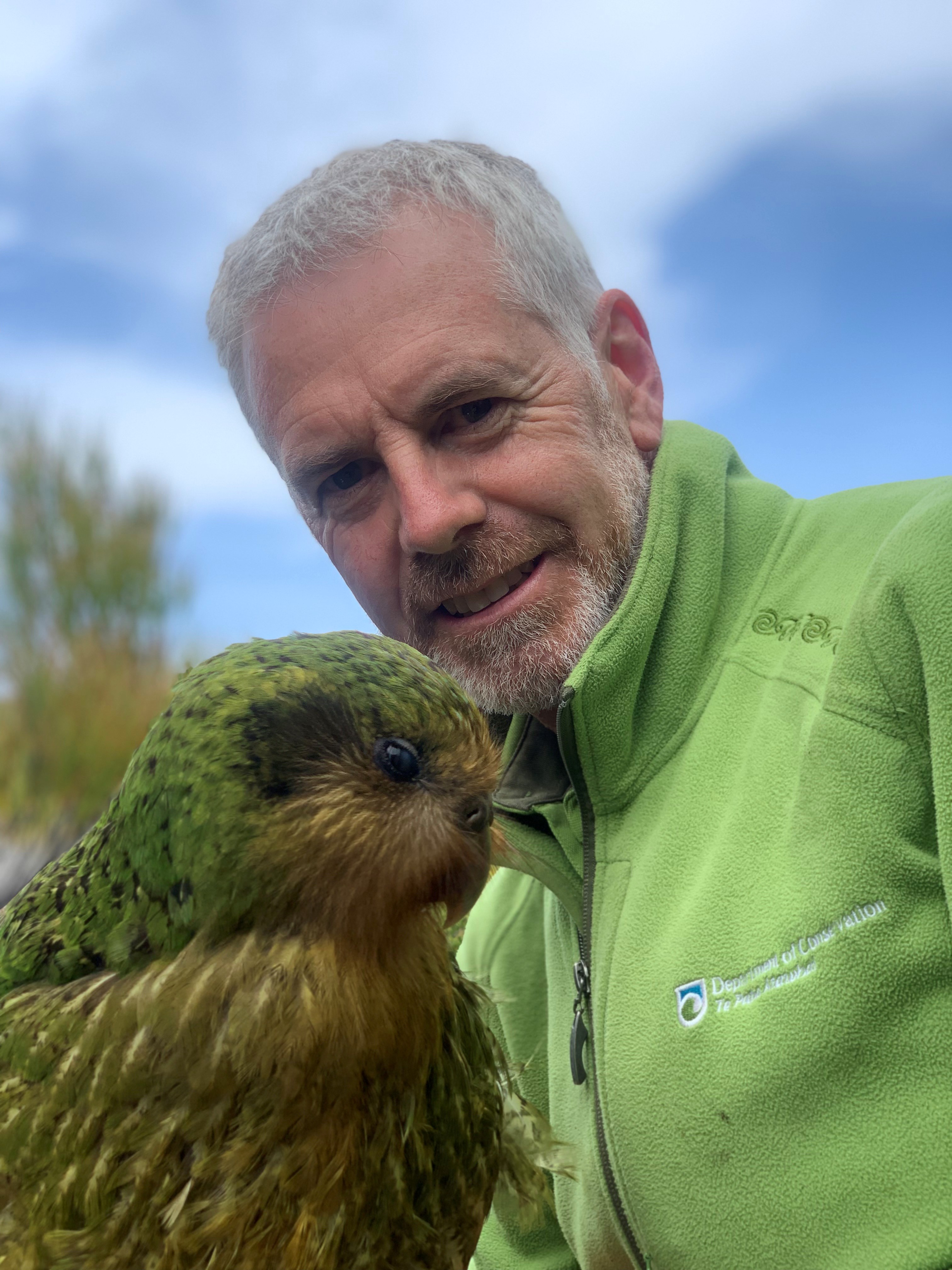
Kākāpō, the cheeky nocturnal parrot, are more curious but also much more solitary. The eggs and subsequent chicks are about half the size of the takahē’s, and the mother raises them on her own, which makes them vulnerable to predators while she heads off to feed at night. They also breed only every two to four years.
In the early 80s, predation meant the kākāpō population was decreasing by 50 per cent each year. Daryl joined the Kākāpō Recovery Group as a technical advisor in the mid-90s, where he has poured his energy and innovation into the management of the nesting birds. Sirocco, his first hand-raised kākāpo, became a media darling and is New Zealand’s official spokesbird for conservation. Now 28, Sirocco lives on New Zealand’s outer islands and is “happily doing his own thing”.
Daryl hopes that the future holds such extensive predator management that the booming of the kākāpō can be once again heard on the mainland.
That would mean that the habitat is in really good health, he reckons, which in turn will give all of our native species a real shot at thriving.
