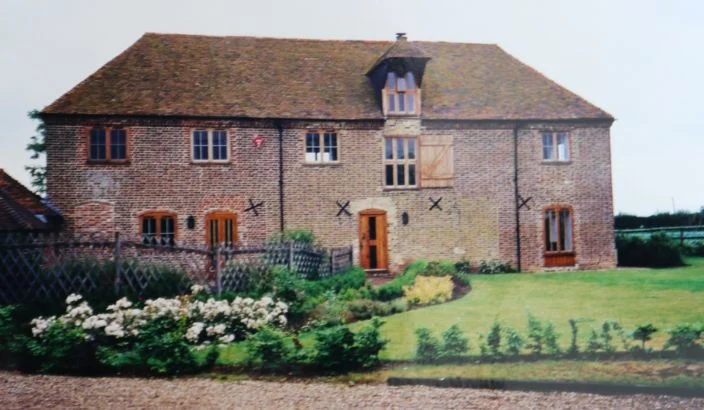
Every month, Stoke resident Wayne Samson makes a trip to Top South Media to collect a free copy of Top South Farming Monthly for his long-time friend and relation, farmer John Whitehead, in West Stourmouth, Kent, in England.
John operates a 420-acre farm, a mix of owned and leased land, with 300 acres belonging to the Church Commissioners.
“Leasing land from the Church Commissioners is a common practice in the area; the church has a property portfolio valued at approximately 10 billion pounds in the UK,” Wayne says.
Of John’s 420 acres, 30% is dedicated to food production, including wheat, beans, and maize. The remaining 70% is used for environmental energy crops, primarily maize and grasses, grown for biomass, biofuels, and electricity generation.
“John enjoys the Top South Farming Monthly as he is interested in farming in New Zealand,” Wayne explains. “He has visited the country numerous times and spent time in Motueka Valley and Methven during an OE in the 60s, staying with relatives who owned a large farm. As a result, he still knows some of the local farmers and growers.”
John points out that the challenges faced by farmers in West Stourmouth and New Zealand are strikingly similar, including rising costs, stagnant incomes, labour shortages, climate change, and biodiversity concerns. He also notes that land use has evolved over time, with his farm once growing onions and potatoes and raising sheep. After reading the Top South Farming Monthly, he passes it along to other local farmers who also find it of interest.
John’s farm, named North Court Farm, is directly across from the renowned All Saints Church, which dates from the 12th century, between 1101 and 1200. The church near the River Stour features a small spire and bell tower, with its body made of flint, ragstone, and brick.
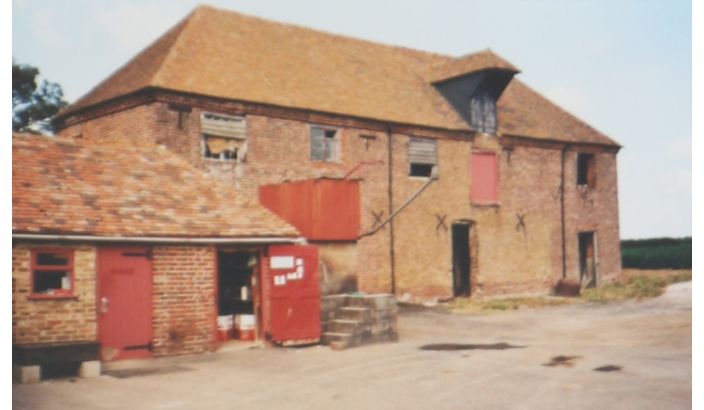
“The church hosts an annual Harvest Festival, which John participates in,” Wayne explains. “It’s quite different from a New Zealand festival; the church is decorated with fresh vegetables, and non-perishable food. The harvest is then celebrated together, after which the food is donated to local food banks and hospice services.”
Wayne notes that John’s deep connection to both farming and the community is evident in everything he does, from his commitment to sustainable land management practices to his active participation in local events like the Harvest Festival.
Despite the shared struggles faced by farmers on both sides of the world, John remains optimistic and passionate about his work. His ongoing interest in farming practices, both locally and abroad, and his efforts to stay connected with fellow farmers highlight the importance of community, knowledge sharing, and tradition in the ever-evolving world of agriculture.
