
“It’s complicated,” says David Arseneau with a sigh.
“If it had a Facebook relationship status, it would be that.”
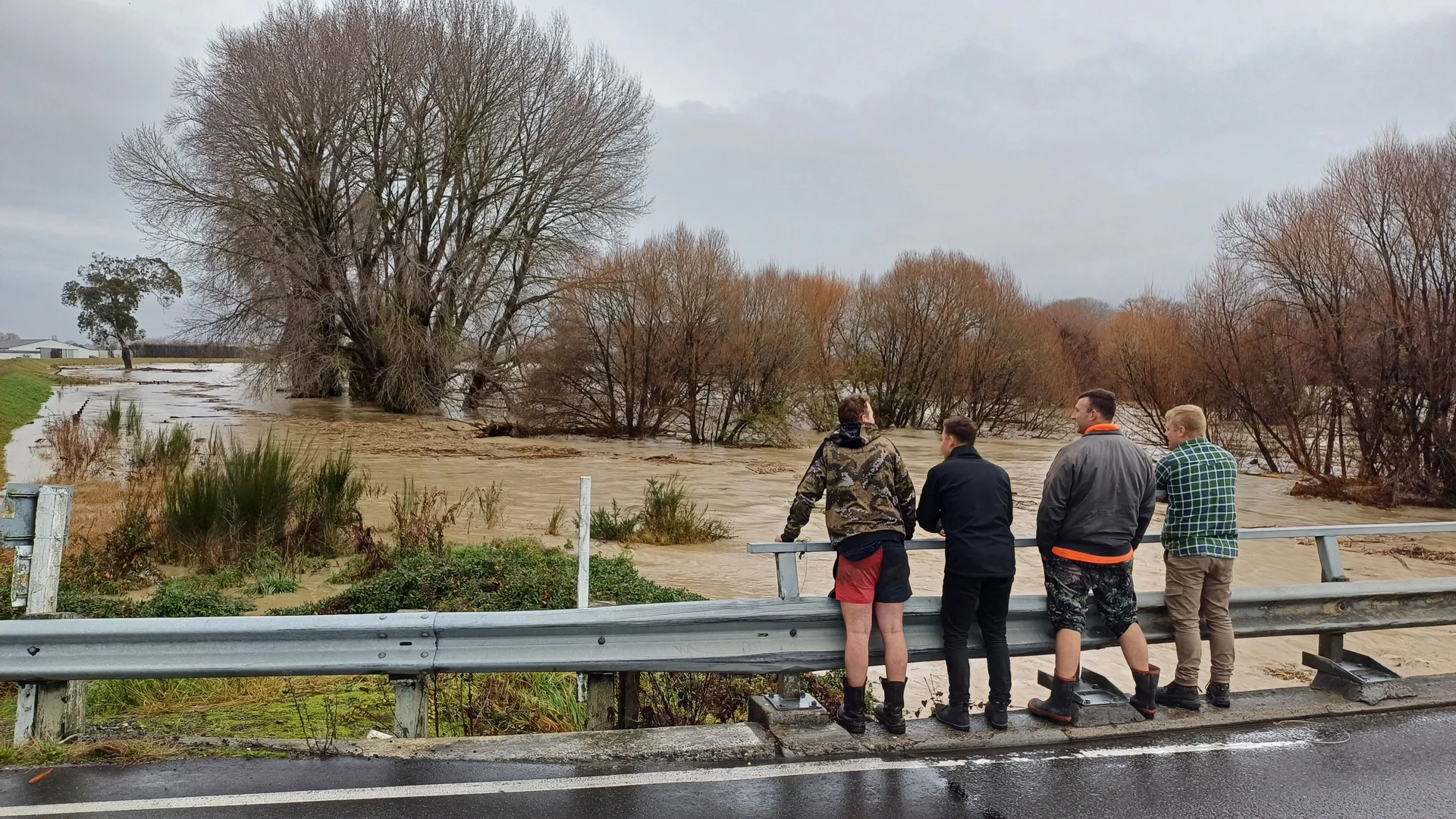
The council is dealing with a steady flow – something of a flood, in fact – of comments about the issue of gravel in Tasman rivers.
There is a strong sentiment in the community that if more gravel had been extracted from the rivers prior to the recent storms, the channels would have had greater capacity to mitigate the recent flooding.
In line with the rest of the country, local river management used to take place via the Nelson Catchment Board, which covered the Motueka, Tapawera, and surrounding districts.
The board’s responsibilities included flood protection, river channel management, erosion control, water allocation, and land management advice. Through the Motueka Catchment Control Scheme, it built the original stopbanks in the 1950s and carried out regular channel works.
In the late 1980s, the boards and their responsibilities were merged into larger regional councils like the Tasman District Council. David is the TDC’s rivers and coastal structures team leader, and he acknowledges that creating a big, deep channel with more capacity can help in smaller annual or biennial weather events.
But, he says, it’s important to put that in context. The storms in late June and early July were the biggest on record, and possibly as big as the “Old Man Flood” of 1877. David says no amount of gravel extraction was going to make a difference to water volumes such as that.
“It’s like trying to put out a house fire with a thimble of water.”
Under usual conditions, the gravel shifts constantly– you are never looking at the same gravel from day to day, he says.
Under flood conditions, the flux is huge. Any cleared sections would be rapidly filled with gravel that was being washed downstream.
“What’s hard to convey is just how little of a difference this would have made.”
Part of the issue with extraction is that it is an expensive process, and offering the gravel for sale means that river management strategies and commercial interests have to align. For example, there is an area near Tapawera that is primed for extraction, but that is not where the demand is, and gravel is a product that is very expensive to transport.
Also, “we cannot guarantee any specific supply from year to year, and that’s difficult for a commercial enterprise”, David explains.
Even offering it for free would be costly to the council, due to the management needed, and commercial enterprises often want extraction “in the order of 1000, 3000, 10,000, 50,000 cubic metres”, which they simply cannot provide.
“The rivers do not have huge amounts of gravel in them,” he says, acknowledging that it can feel “a little bit like gaslighting” when people are standing on the banks, looking down at the river.
“We’re hitting bedrock a lot of the time.”
