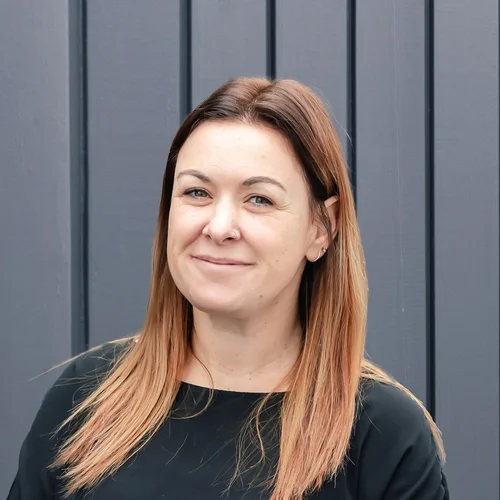
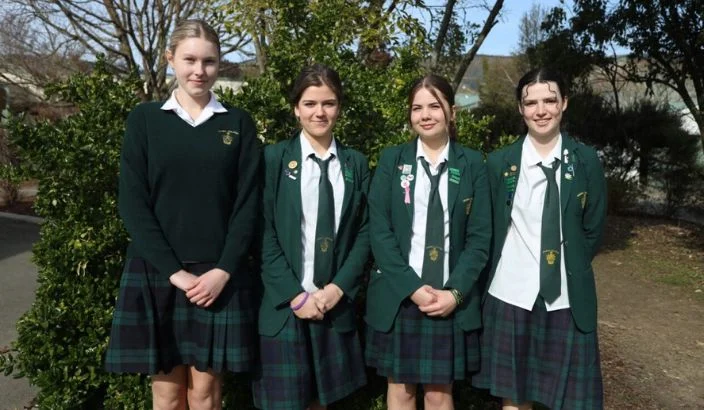
A 15-year-old can add philanthropy to her resume, that doesn’t yet include paid employment.
Waimea College student Madeleine Johnson has started a not-for-profit organisation to help educate young people in South Sudan.
While she has no direct connection to the country, she says it was the shocking statistics the piqued her interest in assisting. Statistics like 84 per cent of girls over the age of 15 are illiterate, 2.8 million children in South Sudan are not attending primary or secondary school, and more than 70 per cent of South Sudanese students do not have access to basic education, meaning that they cannot learn how to read, write or learn basic math.
The idea all began in a Waimea College enrichment class – a class designed to allow students to focus on an area they are passionate about for two hours each week. For Madeleine, it wasn’t a piece of art, or book she wanted to work on, instead deciding she would like to start a not-for-profit organisation.
She got to designing a website and researching exactly where she would like to direct the help.
“It was actually a really random way of starting it,” Madeleine says.
Once the fundamentals were worked through, she began bringing in others to form a committee.
Educate South Sudan, an organisation that strives to empower education in South Sudan through children’s education, both and a primary and secondary level, now has a committee of 14 students who handle everything from social media, fundraising, marketing and finance.
The group are working with the Ministry of Foreign Affairs to figure out where we can channel the donations, but it will most likely be sent through the Ministry of General Education and Instruction (MOGEI).
The funds, so far more than $1000, are currently sitting in a school account, until they can be sure that corruption in the country won’t divert them.
Fundraisers so far have included a stall at the Waimea community Matariki market, two bake sales at the school, and a movie night that is still in planning stages.
Madeleine says they have chosen to send money rather than physical resources to empower the schools and students to choose what they need to assist their learning.
“If we’re sending over New Zealand textbooks, it’s not their culture, we want to give them the opportunity to choose, and support their own economy.”
Committee member Tabitha Kidd, says her push to join was hearing the “astounding” low literacy rates for women.
“Which I think is actually disgusting as a woman. I really value my education and how far that can get me and thinking that if I was just born somewhere else, that I wouldn’t have these opportunities. It’s just, weird.”
While many of the committee will finish at the college this year and head on to university, Madeleine plans to spearhead the charity through the rest of her school years. When she leaves Waimea College in the future, she is considering whether to leave the organisation with the school or take it with her to university.
For more info visit educatesouthsudan.org or follow @edcautesouthsudan on Instagram.
