
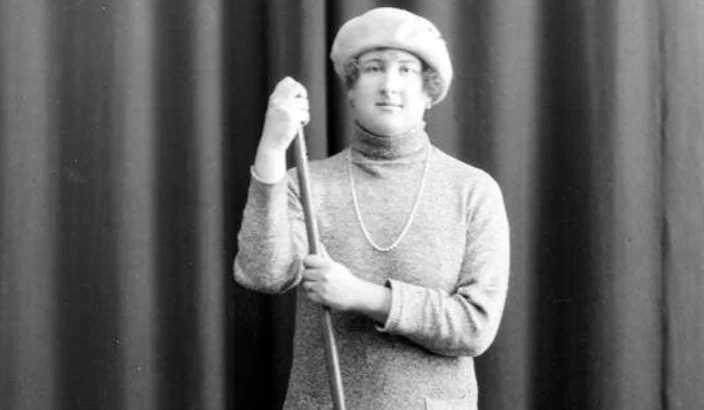
ROBYN PARKES
The Scout Movement in New Zealand began in 1908, with the first troop established in Kaiapoi, and was based on the principles of the worldwide Scout movement founded by Robert Baden-Powell, with the motto "Be Prepared”.
The principle of the Boy Scouts was the cultivate all the high ideals in life and help him to grow up to be a good citizen.
It was not until September 1921 that a troop formed in Richmond. Earlier in February, Captain Cosgrove, Dominion Commissioner of the Boy Scouts had visited Richmond to promote the principles and benefits of the Boy Scouts.
Mayor W.E. Wilkes suggested that with the recent formation of Richmond YMCA, they would be a good organisation to foster the formation of a troop in Richmond.
The local Board of Directors of the YMCA agreed and adopted the Scout movement as part of the boy’s division of the Association.
Between Cosgrove’s visit in February to September, eight senior boys had been trained for the position of patrol leader and had passed their first examination in Scoutcraft which allowed them to become leaders in a new Richmond troop.
The boys were trained under the leadership of Mr E T Jones, who himself was soon to receive his commission as Scoutmaster of the troop.
With the framework for a new troop completed parents and their sons were invited to meet at the Baptist Hall on 30 September, in the presence of Dr W.D. Stoney Johnston, District Commissioner; D.E. Dredge, District Scoutmaster; and D.D. Milligan, Scout Master, to register to become a Scout.
In July 1922, the Richmond YMCA Boy Scouts were able to meet in the new YMCA in Cambridge Street where an investiture service and welcome to new scouts were presented with their tenderfoot badges.
The equivalent troop for girls was the Girl Peace Scouts which began in New Zealand in 1908. The movement was organised by Cosgrove for girls aged 12 to 20.
Their motto was “Be always ready”, emphasising the need to be active, but ladylike enough to allay public and parental concern.
The Nelson branch began in 1920, with Mrs P. Moncrieff being the first Provincial Commissioner.
In Richmond, a service took place in the Baptist Schoolroom on 26 May 1922, conducted by Scoutmaster, Rev. E.T. Jones to enrol the first of the Richmond Girl Peace Scouts.
The investiture service began with hymns and prayer, after which each girl was admitted into a new troop, to be overseen by Mrs Crabtree. The room was lit with three candles, these being the only light, which symbolised the threefold promise of the Scouts.
Each girl took a candle and lit it from one of the three, thus showing that the aim of each Scout was to bring more light into the world and to confirm that she would become a guiding light in the community.
Each girl was then presented with a tenderfoot badge and the secret sign and salute given. The girls took part in a range of outdoor activities including camping and nature studies.
They also learnt first aid, home nursing, care of infants, cooking and other ‘housewifely arts’, using resourcefulness, self-reliance and honour.
‘Be prepared’ and ‘Be always ready’ – words for the young modern youth of the times.
