
Steve Trigg - Community Risk Manager FENZ
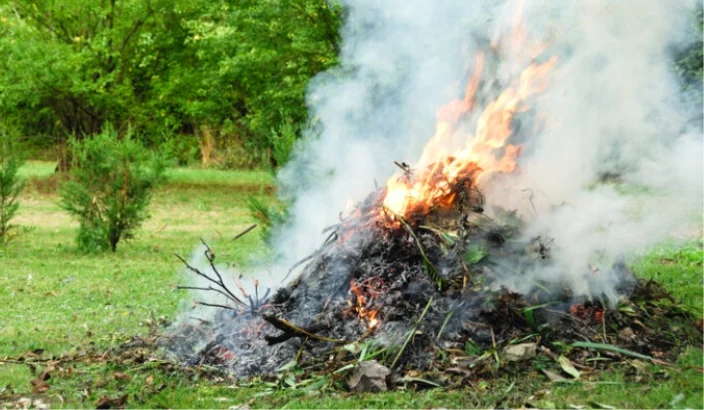
Burning is a common land management tool but if you’re confronted by a large amount of debris after the recent floods or you don’t regularly burn organic material, here is some guidance to help you burn it safely and effectively.
Pick the right site
If your property contains peat soils, avoid these for your burn piles. Peat ignites easily and fires can smoulder underground for long periods before flaring up. Place your piles at least 30m away from trees, shelter belts, buildings and powerlines. Stay well clear of creeks, streams and rivers. Clear a 5m firebreak around each pile, removing flammable material. Keep the burn piles to a size you can handle safely. You can create several smaller piles or add material gradually to a single pile as it burns down. If you have more than one pile, keep them at least 20m apart to avoid accidental cross-ignition.
Build it right
Put heavier debris in the centre of the pile so it doesn’t fall out. Don’t include dirt or silt because it reduces airflow and can cause the fire to smoulder instead of burning efficiently. Let vegetation dry out before lighting. Dry matter burns cleaner and more efficiently.
Check its alright before you light
Always visit checkitsalright.nz to confirm the fire season status for your property, any restrictions, and whether you need a fire permit. If you need a permit, apply ahead and always follow the advice provided. Consult your council for specific regulations on what can / can’t be burned in your area. Let your neighbours know you’re lighting burn piles and make sure they know how to contact the person in charge if they have concerns.
On the day
Lighting a fire is easy but putting it out if things go wrong can be difficult. Have the right gear on hand to control and extinguish the fire. Depending on your circumstances, this might be anything from a water hose or sprayer, shovel and soil, to a mechanical digger. Personal protective gear is essential. Wear enclosed footwear, long pants, and a longsleeved shirt, and have eye protection.
Lighting Up
Only burn what you can manage. Don’t ignite more piles than you can monitor or extinguish if needed. Where it’s safe and practical to do so, regularly push unburnt material into the centre of the fire to promote airflow and a more complete burn. Be careful—this can pose injury risks and may cause sparks. You must supervise the fire from the moment it’s lit until it is completely out – that means no smouldering or risk of re-igniting.
Never leave a fire unattended. If the fire gets out of control, call 111 immediately.
