
Time has moved on since the floods ripped through parts of Tasman, but many people still deal with the stress of their ordeal every day and the community is being asked to reach out to help them.
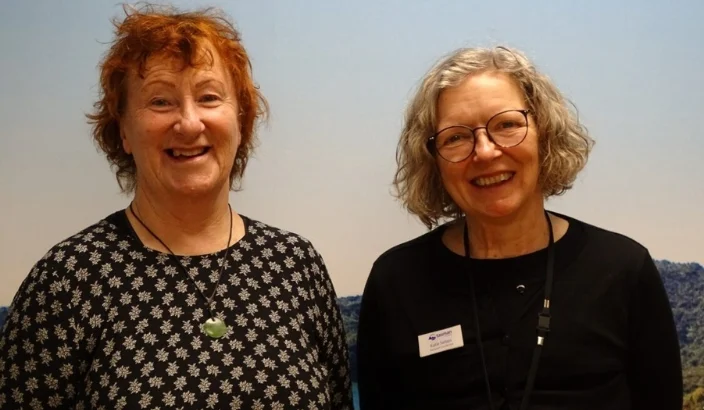
Katie Sellars coordinates the Tasman District Council’s recovery navigators’ team that is just part of the multi-agency response to the clean-up effort and helping people deal with the trauma of the event and the ongoing stress.
While the recovery navigators have been working with about 150 people affected by the floods, she says there are still others who probably need help.
“If people are worried about friends or relatives, they can contact the navigators, and we can check up on them - see how they are going or what they need. Just talking it over with people is really good.”
Katie says it’s often harder as time goes by, as the rest of the community moves on and people get tired.
“Everything runs on adrenaline for a while, but then people start to feel overwhelmed. When you’re waking up every day and there’s silt around you – it’s a lot to deal with. A lot of people are tired and quite low psychologically.”
She says women will often talk when they are stressed, while men can remain silent or get angry.
Many are still working through insurance claims which she says can take time because flood damage is often complex and the process is daunting and stressful for property owners.
For help with the process, they can contact the New Zealand Claims Resolution Service which works with people through an insurance claim.
Getting their insurance paid out makes the future brighter, but Katie says many still worry about their future and face a “new normal”, especially if their property is changed forever.
For others, it’s the trauma from the actual flood event that continues to haunt them and cause anxiety.
“A lot of people are triggered by rain. Then they can’t sleep and the anxiety comes back again. When people can’t sleep, the more tired they get.”
Top of the South Rural Support Trust chairman, Richard Kempthorne, says the stress is more apparent now, particularly for people who have suffered significant damage on their properties.
Many have been clearing flood damage for two months and he says the clean-up will go on for months.
In rural areas, he says other rural people can sometimes provide the most help for people struggling, because they understand what they are going through. It can be harder for people on lifestyle blocks to find that support, he says.
“There are people coming forward now seeking help which is great to see because I think the best thing they can do is to stand with others as they go through the pressures they are facing. The thing we would suggest most is that if people are really struggling, come forward for help.”
He also encourages neighbours to check on each other and urban people to reach out to rural friends who have been affected by floods.
Katie says there has been amazing community involvement in the flood-hit areas and all of the agencies and groups can connect people with the services they need.
She says some people struggle to ask for help though, especially older people and rural folk who think others might need it more.
“Every person I’ve spoken to has said there’s people worse off than me.”
